
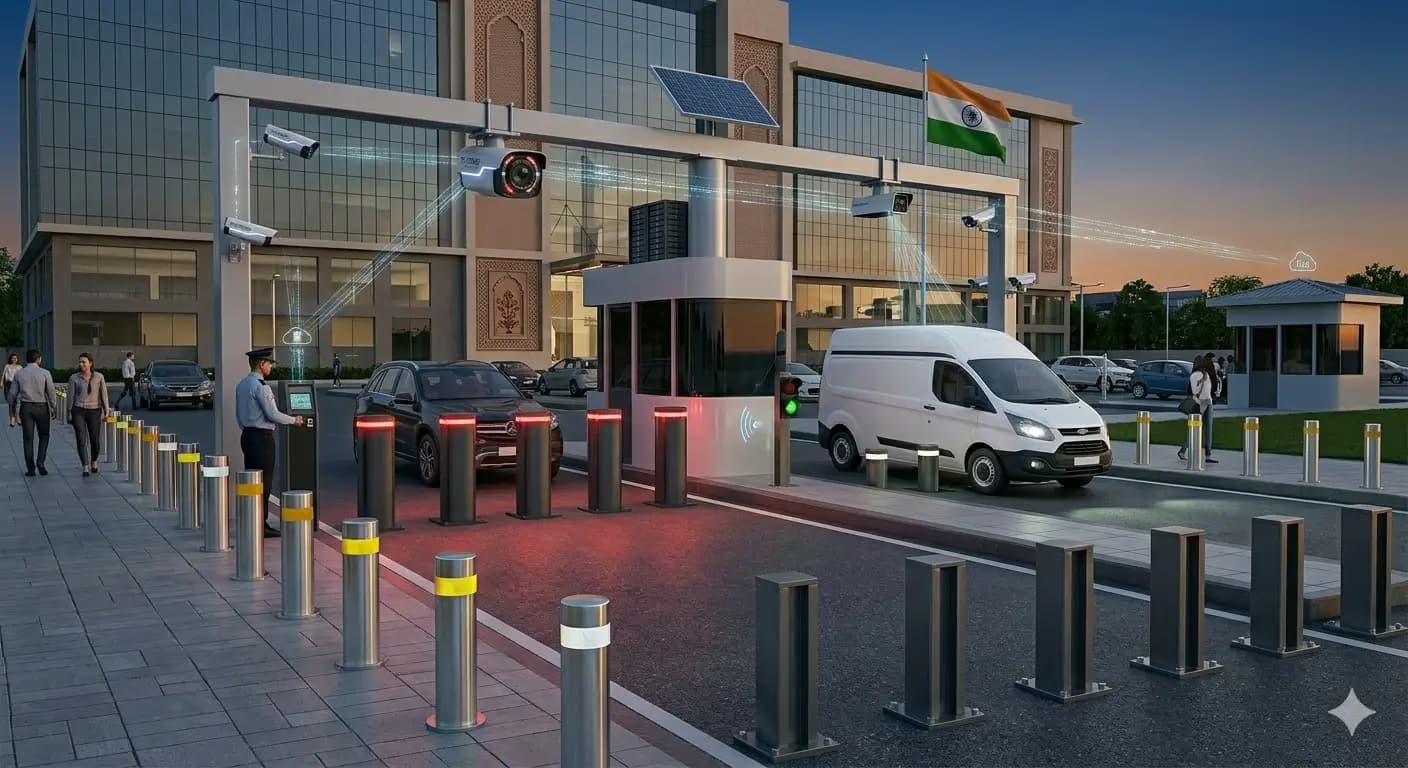
UHF Reader Manufacturer in India
UHF Long-Range Reader
Hands-free RFID vehicle access for parking, gated campuses, factories and toll points.
A UHF long-range reader is an RFID device that reads a tag on a vehicle from several metres away, so the boom barrier opens automatically without the driver stopping or swiping a card. TimeWatch UHF readers operate in the 860-960 MHz band with an adjustable read range of about 1 to 12 metres, ideal for touchless parking and vehicle access. Prices in India typically range from about Rs 15,000 to Rs 80,000 depending on read range and antenna.
What Is a UHF Long-Range Reader?
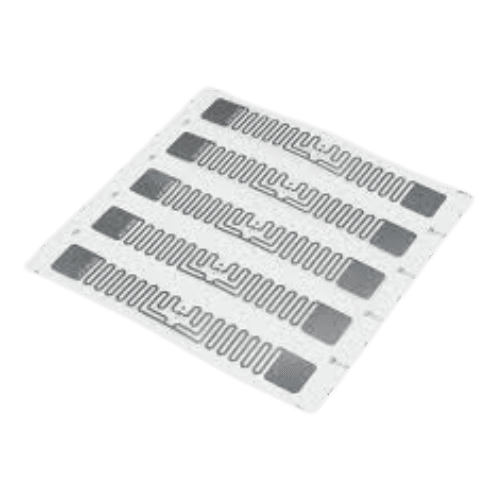
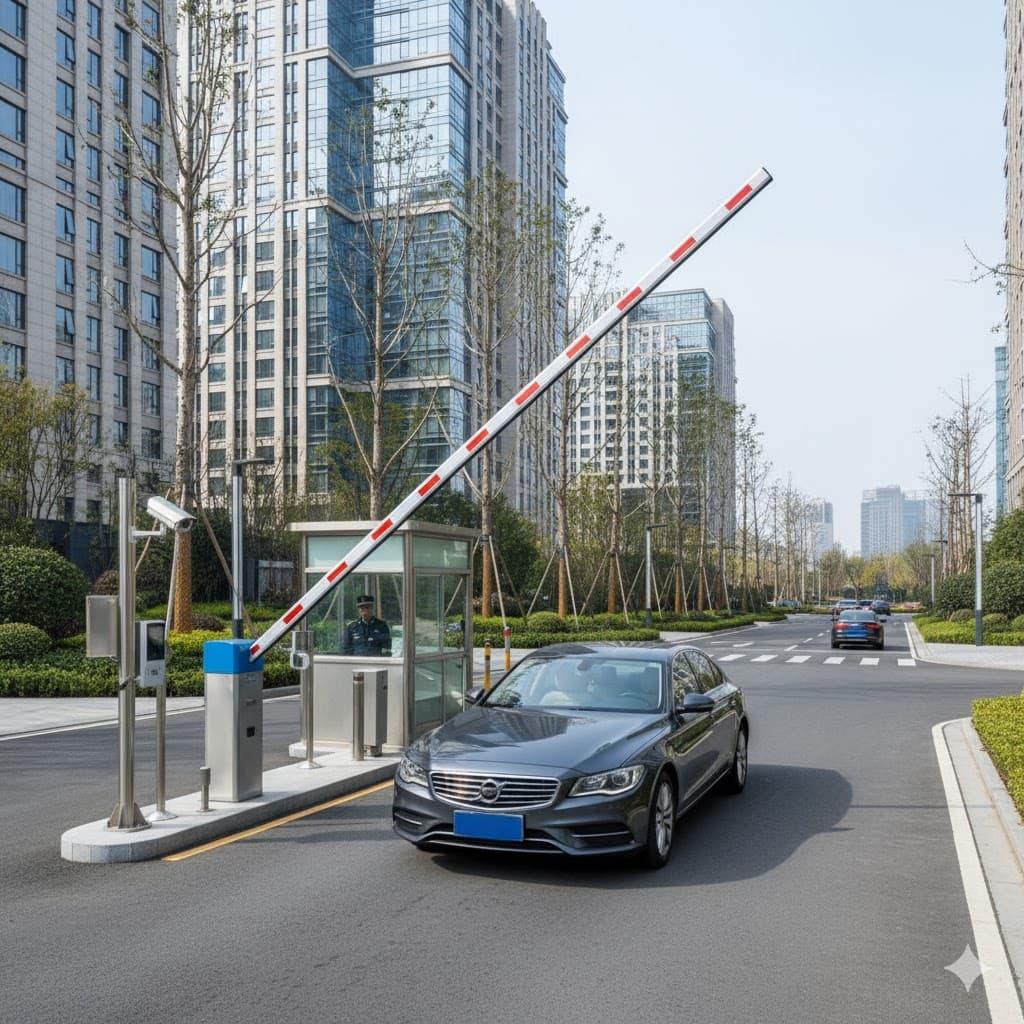
A UHF (Ultra High Frequency) long-range reader is part of an RFID vehicle access system. A passive UHF tag is fixed to the vehicle (windscreen sticker or hard tag), and the reader, mounted at the gate, detects it from a distance and sends the ID to the controller, which opens the barrier for authorised vehicles. It removes the need for cards, tokens or manual checks at the gate.
How Does a UHF Long-Range Reader Work?
- 1
A UHF RFID tag is fixed to each authorised vehicle (windscreen label or number-plate tag).
- 2
The reader at the gate continuously emits a UHF radio signal over its read range.
- 3
As the vehicle approaches, the tag reflects back its unique ID to the reader.
- 4
The reader passes the ID to the access controller, which checks it against the approved list.
- 5
If authorised, the boom barrier opens automatically; unknown tags are rejected and logged.
Key Features
- 860-960 MHz UHF band with adjustable read range (about 1 to 12 m)
- Reads passive windscreen and hard tags for fully hands-free entry
- Integrates with boom barriers, bollards and access controllers
- Wiegand, RS485, TCP/IP output for easy integration
- Weatherproof housing for outdoor gate mounting
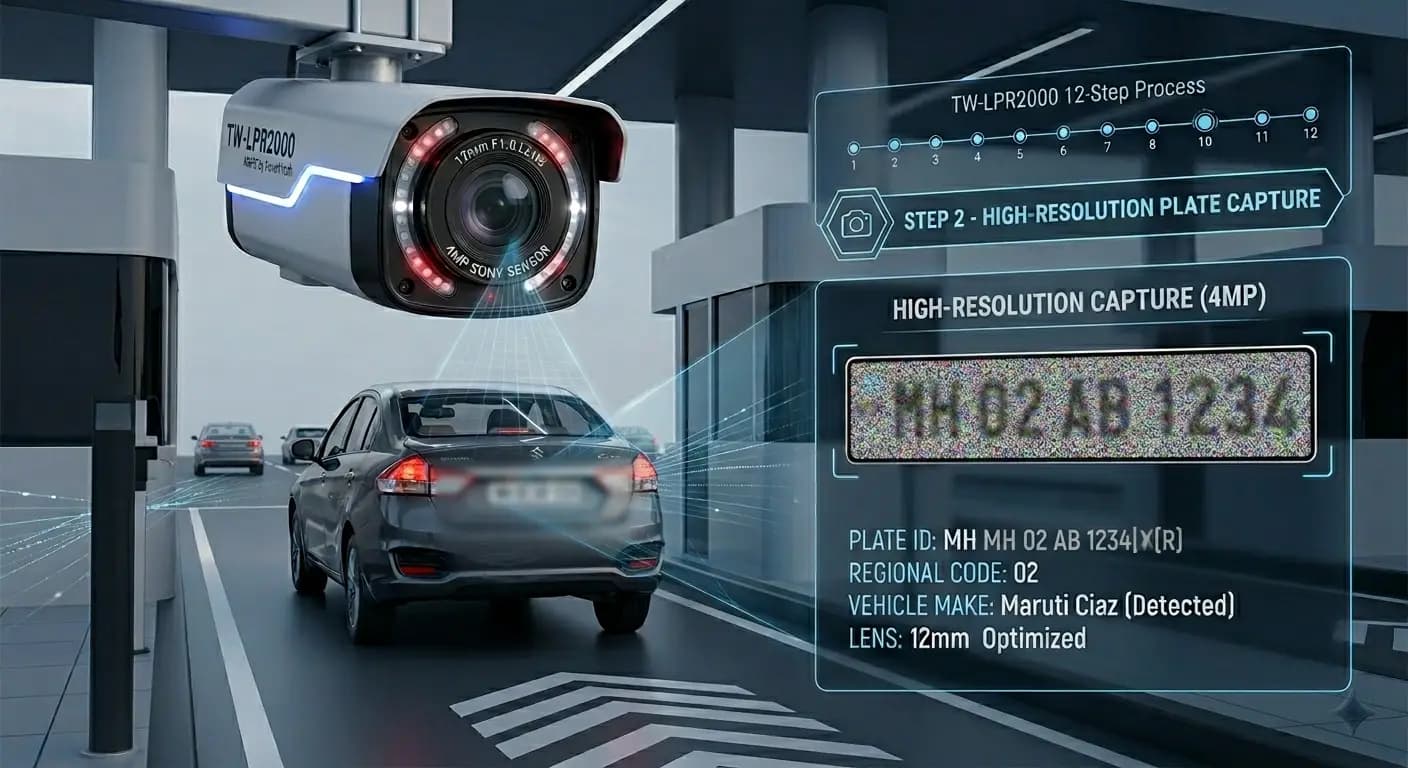
- Works alongside ANPR for dual verification
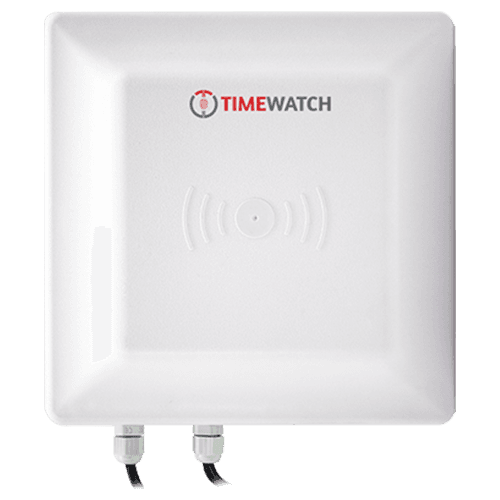
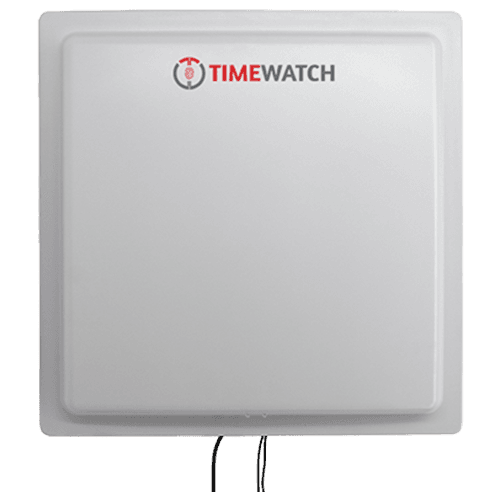
TW-UR5 UHF Reader
Where UHF Long-Range Readers Are Used
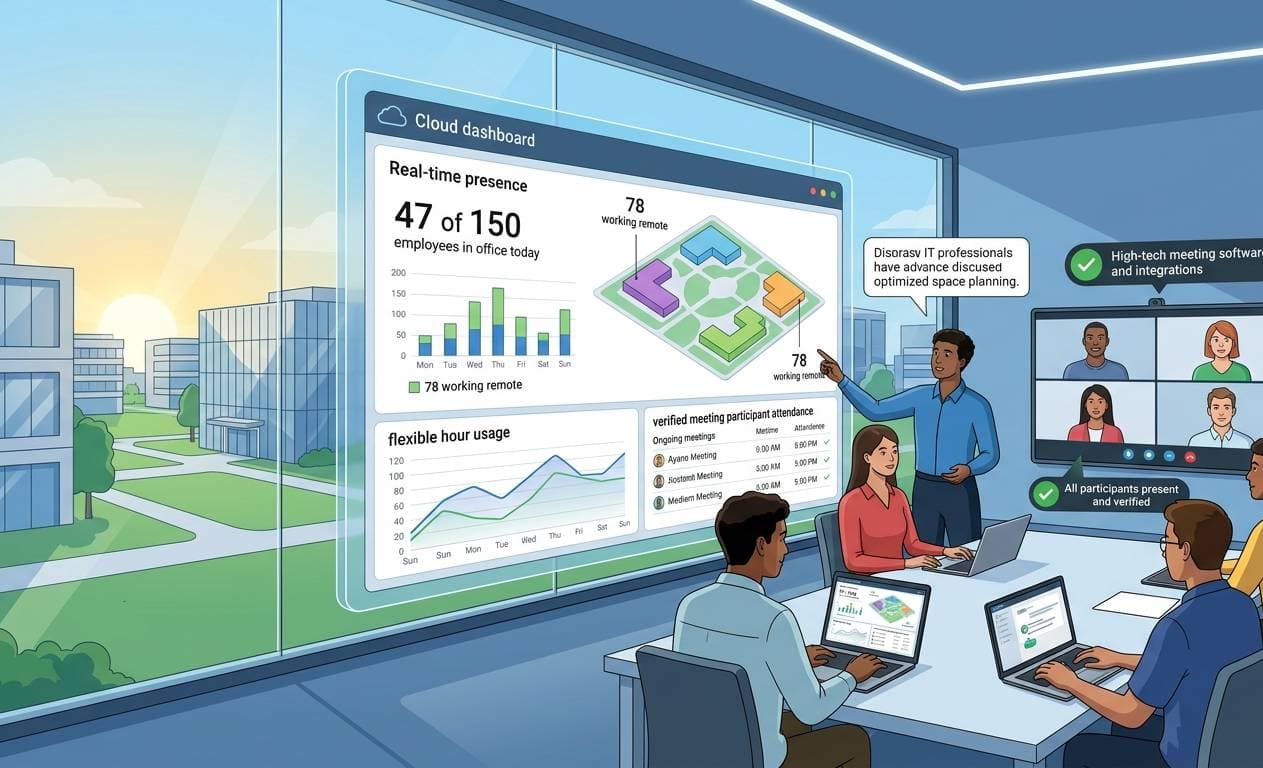
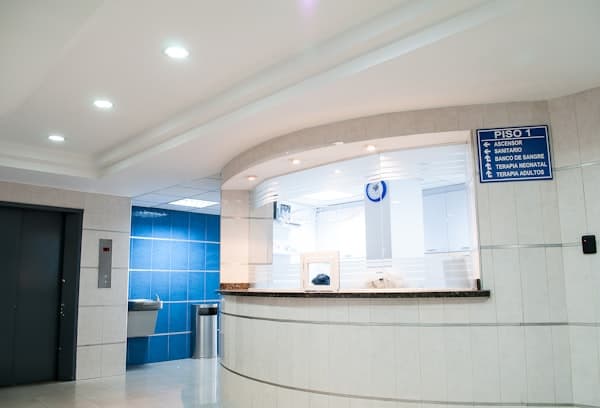
Corporate and IT park parking, residential and gated communities, factories and industrial plants, malls and hospitals, hotels, logistics yards, toll plazas and any site needing fast, touchless vehicle entry.



TimeWatch: UHF Long-Range Reader Manufacturer & Provider in India
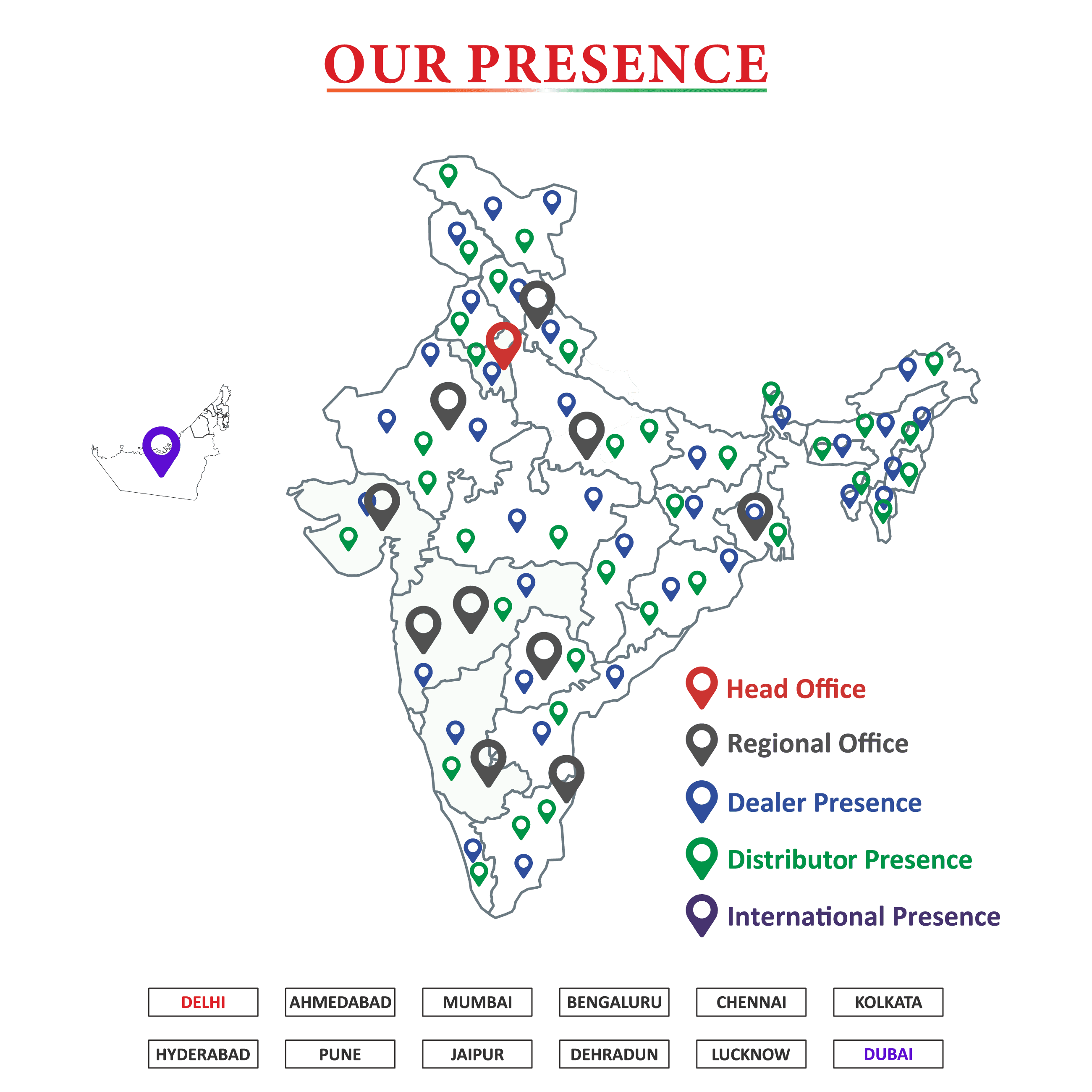
TimeWatch is a UHF long-range reader manufacturer and provider in India, supplying readers, tags and complete RFID vehicle-access systems with boom barriers. We deliver and support installations across Delhi NCR, Mumbai, Bengaluru, Hyderabad, Chennai and Pune, with integration into existing parking and access-control setups.
Our Long Range Reader Range
TW-UR12-12T
The TW-UR12/12T is an outdoor, IP68-rated long-range UHF card reader specifically designed for UHF cards and tags (Gen2). With a read range of up to 12 meters, it provides convenient and efficient RFID authentication for a wide range of applications, including door access control, vehicle gate access, and other scenarios where users do not need to present their RFID credentials at close proximity to the reader. The TW-UR12/12T also features a built-in Wiegand output port, enabling seamless connectivity with access control panels and integrated security systems.
Read More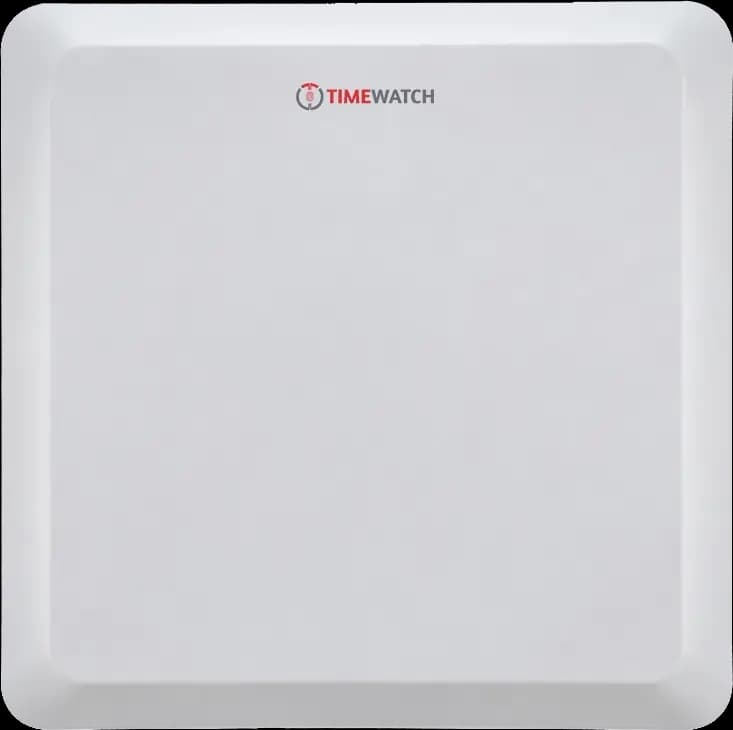
TW-UR6
TW-UR6/6T is an out door IP65-rated long-range UHF card reader designed specifically for UHF Card and Tag (Gen2) With its up to 5 meter read-range, TW-UR6/6T provides users convenient RFID authentication for many applications including door access, vehicular gate access and any application in which the user no longer needs to have their RFID credential held in close range to the RFID reader. TW-UR6/6T has a built-in Wiegand-Out port for control panel conectivity
Read MoreGet a UHF reader quote for your gate
Readers, tags and complete RFID vehicle-access systems — installed and supported across India.
Frequently Asked Questions
What is a UHF long-range reader?
A UHF long-range reader is an RFID device that reads a vehicle tag from several metres away, so a boom barrier opens automatically without the driver stopping or swiping a card.
What is a UHF reader used for?
It is used for hands-free vehicle access and parking at offices, gated communities, factories, malls, hotels, logistics yards and toll points.
How does a UHF RFID reader work?
A UHF tag on the vehicle reflects its ID to the reader at the gate; the reader sends the ID to the controller, which opens the barrier for authorised vehicles automatically.
What is the read range of a UHF long-range reader?
TimeWatch UHF readers offer an adjustable read range of about 1 to 12 metres in the 860-960 MHz band, depending on the model and antenna.
What is the UHF reader price in India?
In India, UHF long-range readers typically cost from about Rs 15,000 for short-range integrated units to Rs 80,000 or more for long-range readers with external antennas. Contact TimeWatch for an exact quote.
What is the difference between a UHF reader and ANPR?
A UHF reader identifies a vehicle by an RFID tag, while ANPR identifies it by reading the number plate with a camera. Many sites use both together for reliable, touchless access.
Can a UHF reader be integrated with a boom barrier?
Yes. UHF readers integrate directly with boom barriers, bollards and access controllers through Wiegand, RS485 or TCP/IP, so the barrier opens automatically for tagged vehicles.
Which tag is used with a UHF long-range reader?
Passive UHF tags are used, typically a windscreen sticker tag or a hard tag, requiring no battery and offering long life.
Who is a reliable UHF reader manufacturer in India?
TimeWatch is a reliable UHF long-range reader manufacturer and provider in India, supplying readers, tags and complete RFID vehicle-access systems with installation and support.
