Face recognition systems represent the cutting-edge of biometric access control technology, utilizing artificial intelligence and advanced facial analysis algorithms to identify individuals from real-time video feeds without requiring physical contact or credential presentation. Modern face recognition systems operate with 99%+ accuracy rates, capturing and analyzing facial features including distance between eyes, nose shape, cheekbone structure, jawline characteristics, and skin texture patterns within milliseconds of detection.
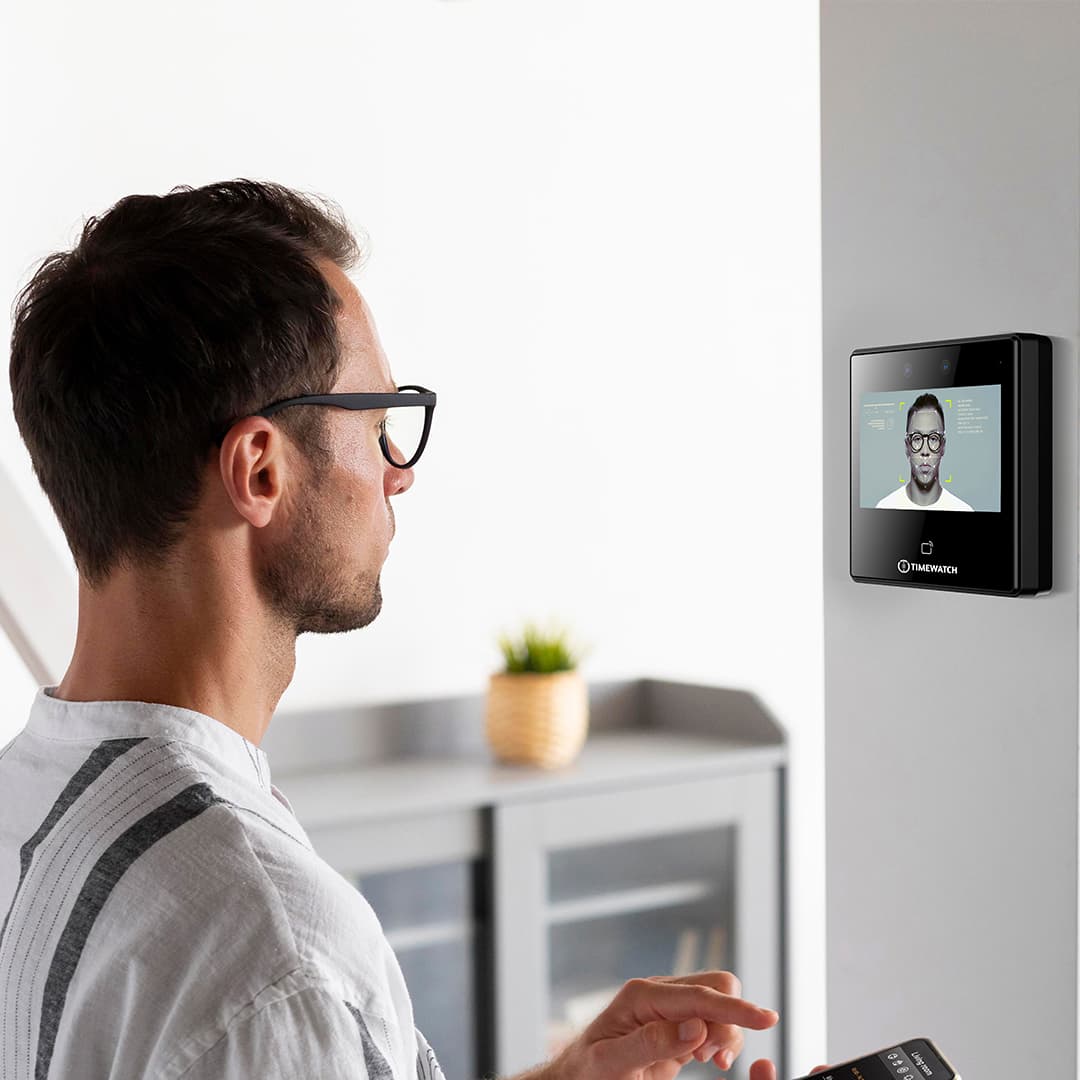
Facial Identification Log
Liveness Verified · Match Confirmed
Systems integrate seamlessly with access control platforms allowing instantaneous authorization decisions based on pre-enrolled facial templates. Camera-based detection eliminates the need for badge readers or credential presentation, with real-time processing analyzing faces during normal movement to reduce entry delays.
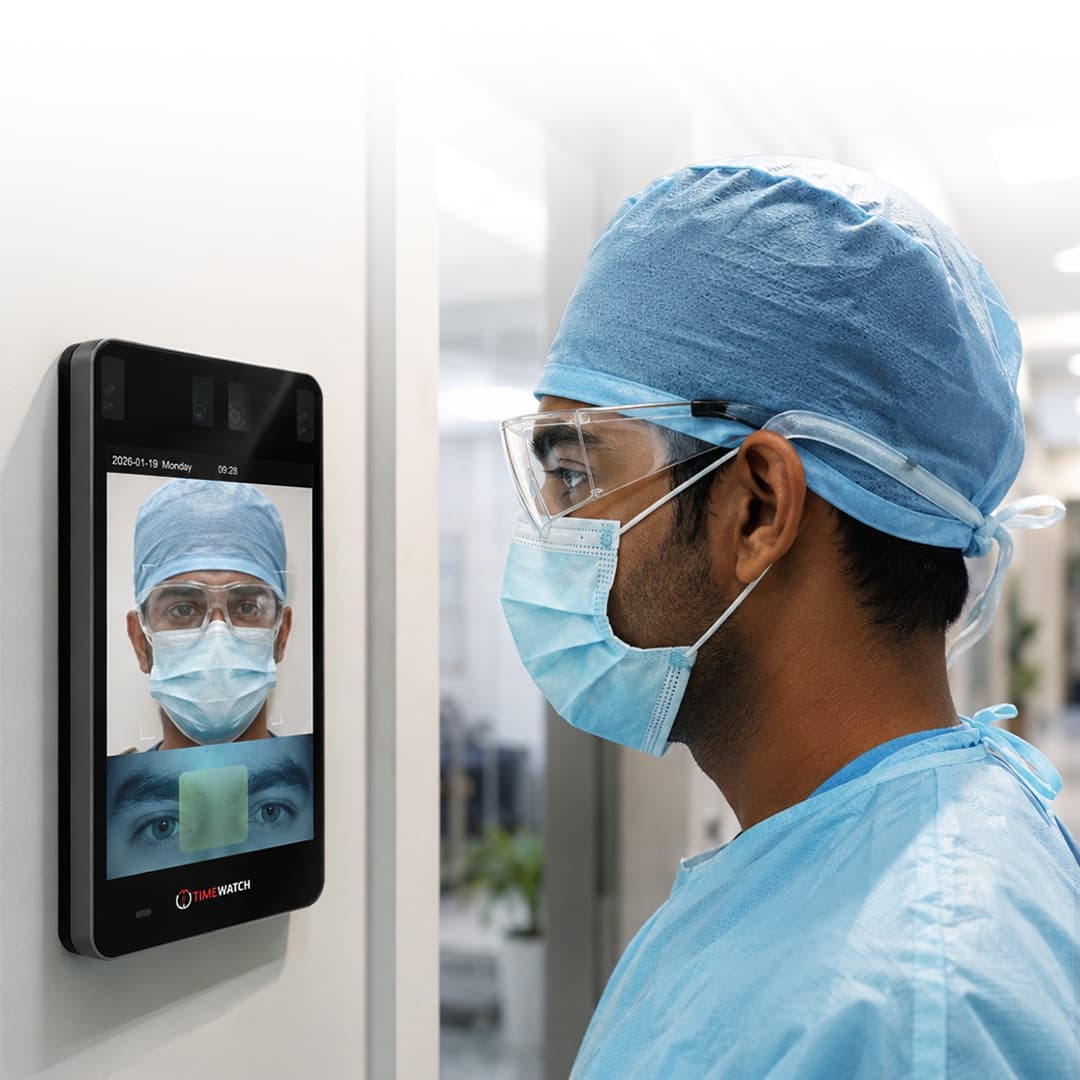
Masked face detection recognizes individuals wearing masks, medical coverings, or safety equipment ensuring reliability during health emergencies. Multiple detection angles accommodate various head positions, and integration with existing access control systems enables gradual deployment without replacing entire security infrastructure.
Comprehensive audit logging documents all recognition attempts including non-matches and denials. Multi-camera synchronization analyzes entrances together, liveness detection prevents photo or video spoofing, and encrypted facial templates plus thermal imaging integration enable secure 24/7 operation in total darkness.
Facilities experience security breaches when stolen badges are copied or credentials are forged. Face recognition systems eliminate credential-based vulnerabilities making badge cloning irrelevant since authorization depends on facial biometrics.
Authorized personnel entry often allows unauthorized individuals to follow through open doors. Face recognition systems identify each individual requiring separate facial recognition for each person preventing unauthorized tailgating.
Organizations spend significant resources managing badge replacement when employees lose identification. Biometric face recognition eliminates badge dependency reducing administrative overhead and security vulnerabilities.
Human security guards conducting visual identification comparison are prone to errors and can be deceived by imposters. Automated face recognition provides consistent objective identification eliminating human error and deception.
Crowded pedestrian movement during shift changes prevents thorough security screening. Face recognition systems analyze multiple individuals simultaneously identifying unauthorized persons within crowds.
Traditional systems struggle in darkness or poor lighting reducing nighttime security effectiveness. Advanced thermal and infrared integration enables reliable 24/7 face recognition in all lighting conditions.
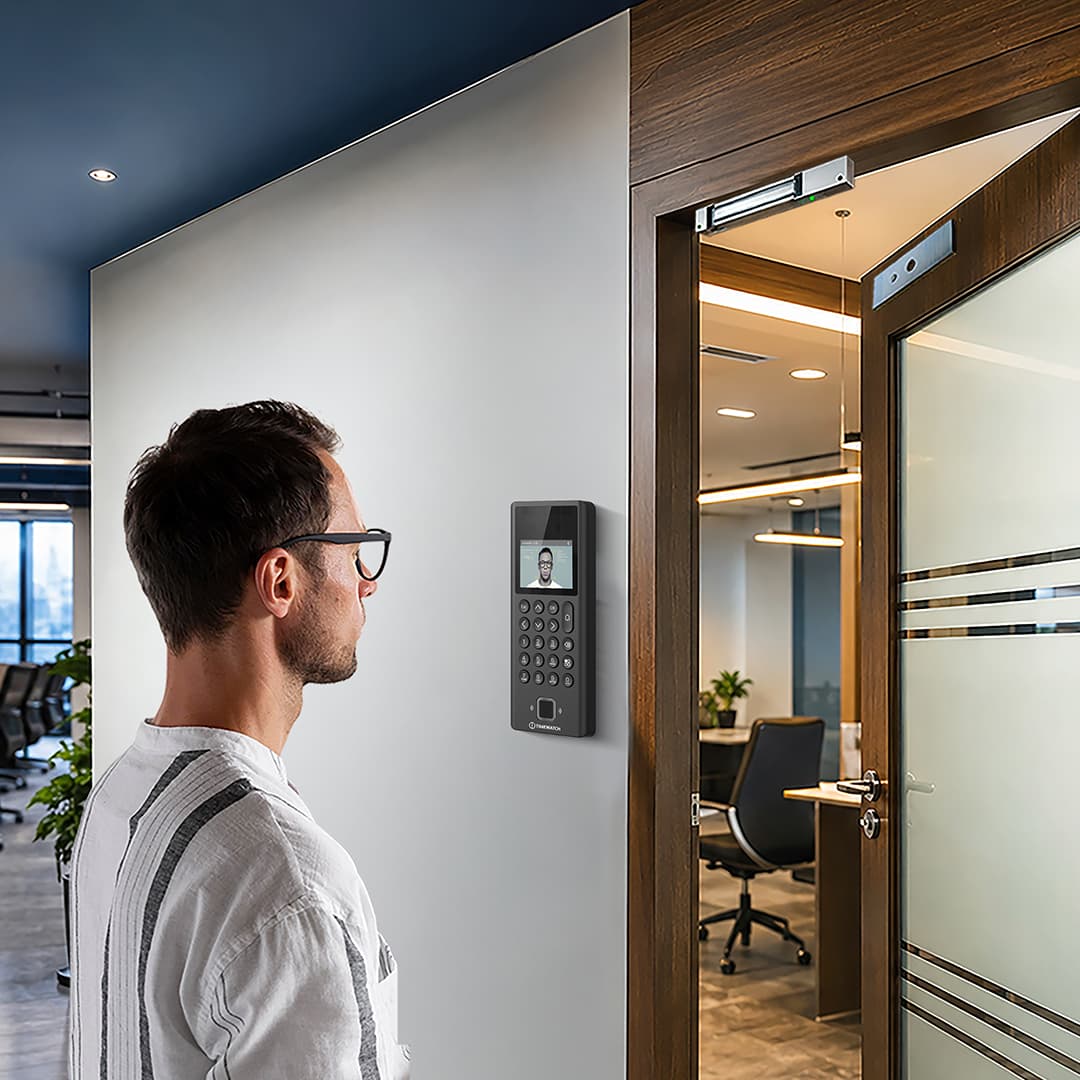
Step 4 - Facial Feature Extraction
Facial feature extraction algorithms map distinctive characteristics including 500+ facial landmarks.
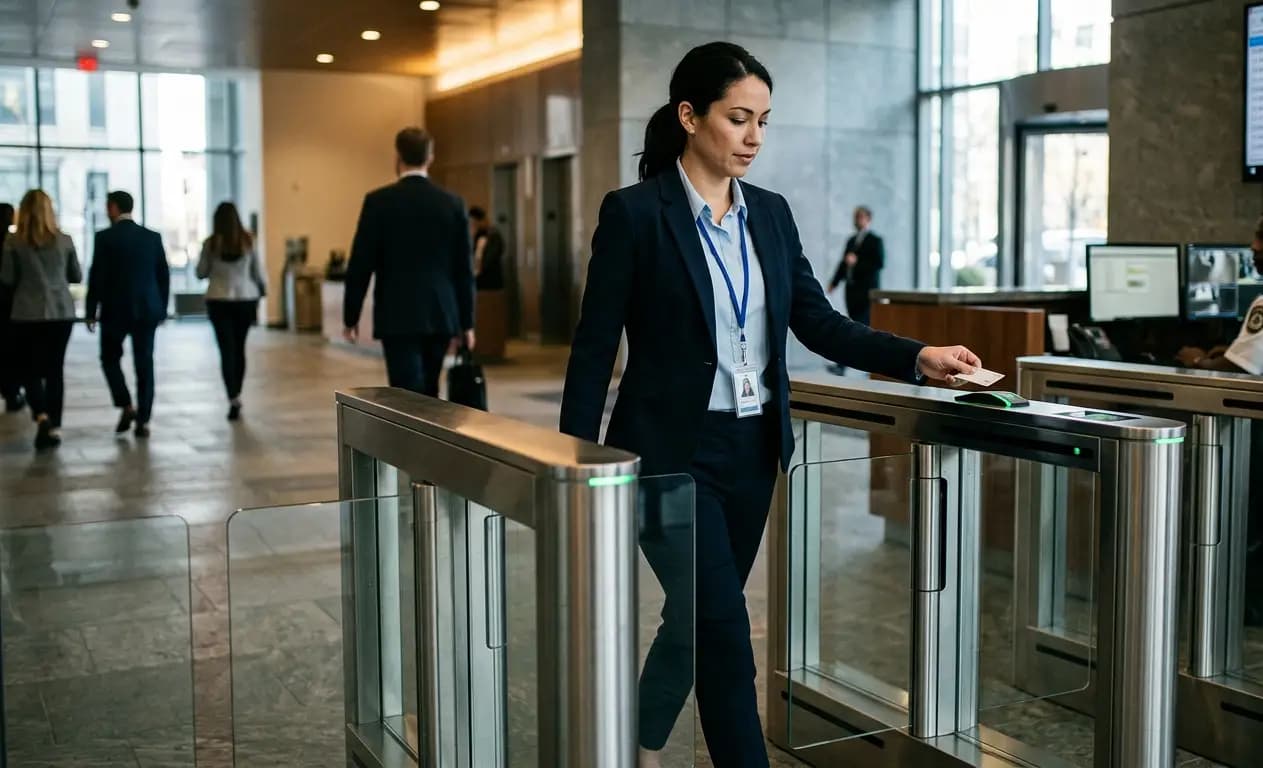
Step 11 - Synchronized Entry Logging
Individual passes through security point while system completes audit logging and timestamping.
Individual approaches entry point with integrated face recognition camera.
Thermal and visible spectrum cameras simultaneously capture facial imagery.
Facial detection algorithms identify face presence and orientation within captured images.
Facial feature extraction algorithms map distinctive characteristics including 500+ facial landmarks.
Extracted facial template compared against authorized personnel database containing enrolled face templates.
Liveness detection algorithms verify face belongs to living person preventing spoofing attacks using photographs.
Matching algorithm calculates similarity scores between captured face and database templates.
Confidence threshold comparison determines if match quality exceeds minimum security requirements.
Multi-factor verification enabled systems request additional authentication such as PIN verification.
Access control system receives authorization decision and activates electronic locking mechanism.
Individual passes through security point while system completes audit logging and timestamping.
Complete transaction documented including facial capture image, confidence score, authentication method, timestamp, and access decision for security investigation.
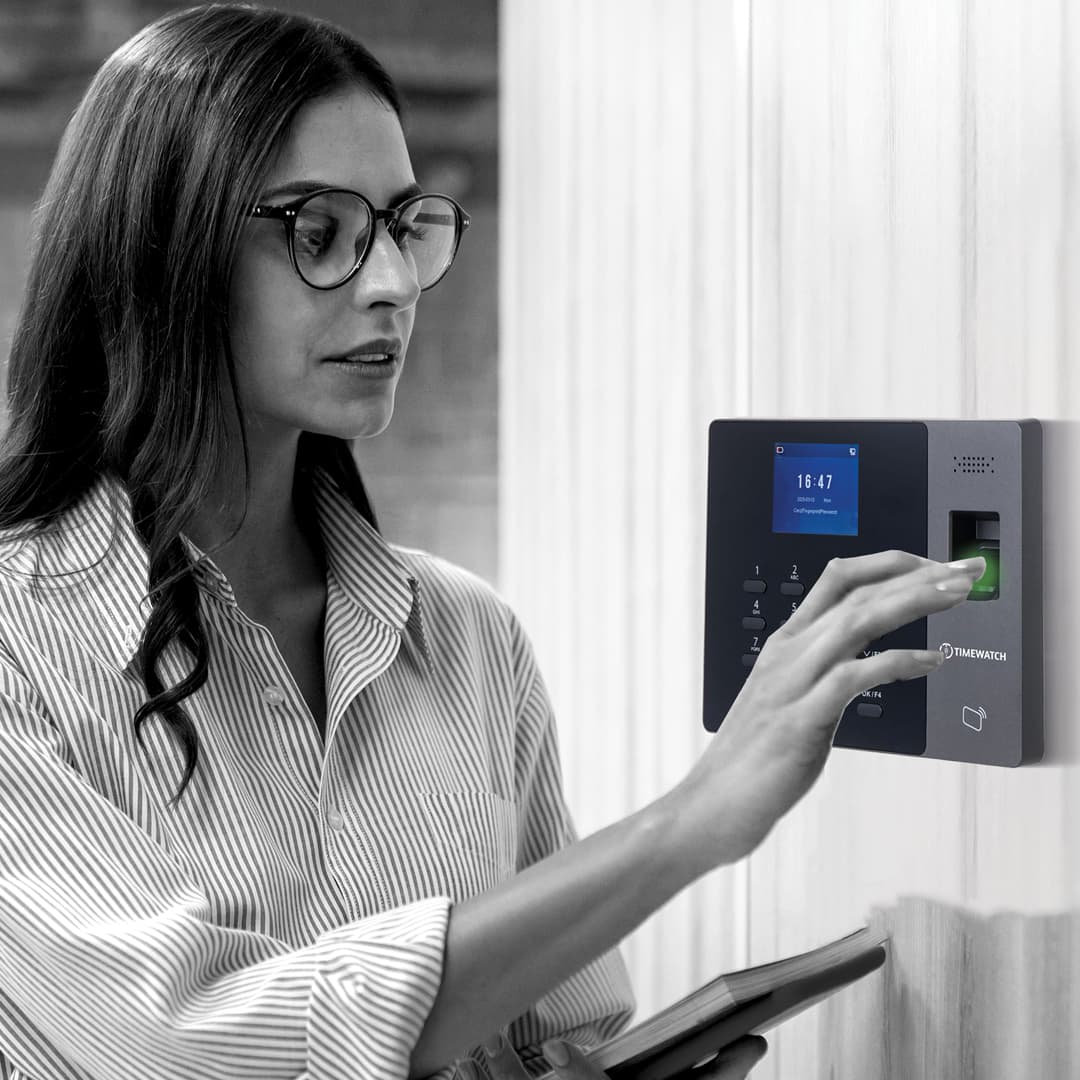
Fingerprint Systems
Requires physical contact
Iris Scanning
Limited viewing distance
Face recognition provides superior advantages compared to fingerprint systems (requires physical contact), iris scanning (limited viewing distance), badge readers (credential vulnerability), and manual security screening (error-prone human judgment). Touchless operation prevents disease transmission compared to fingerprint readers requiring finger contact.
Real-time passive identification eliminates need for user interaction or credential presentation. Database scalability accommodates thousands of faces unlike fingerprint or iris databases limited by storage constraints. Environmental adaptability enables 24/7 operation in all lighting conditions including complete darkness. Rapid processing provides identification within milliseconds enabling high-volume pedestrian throughput.
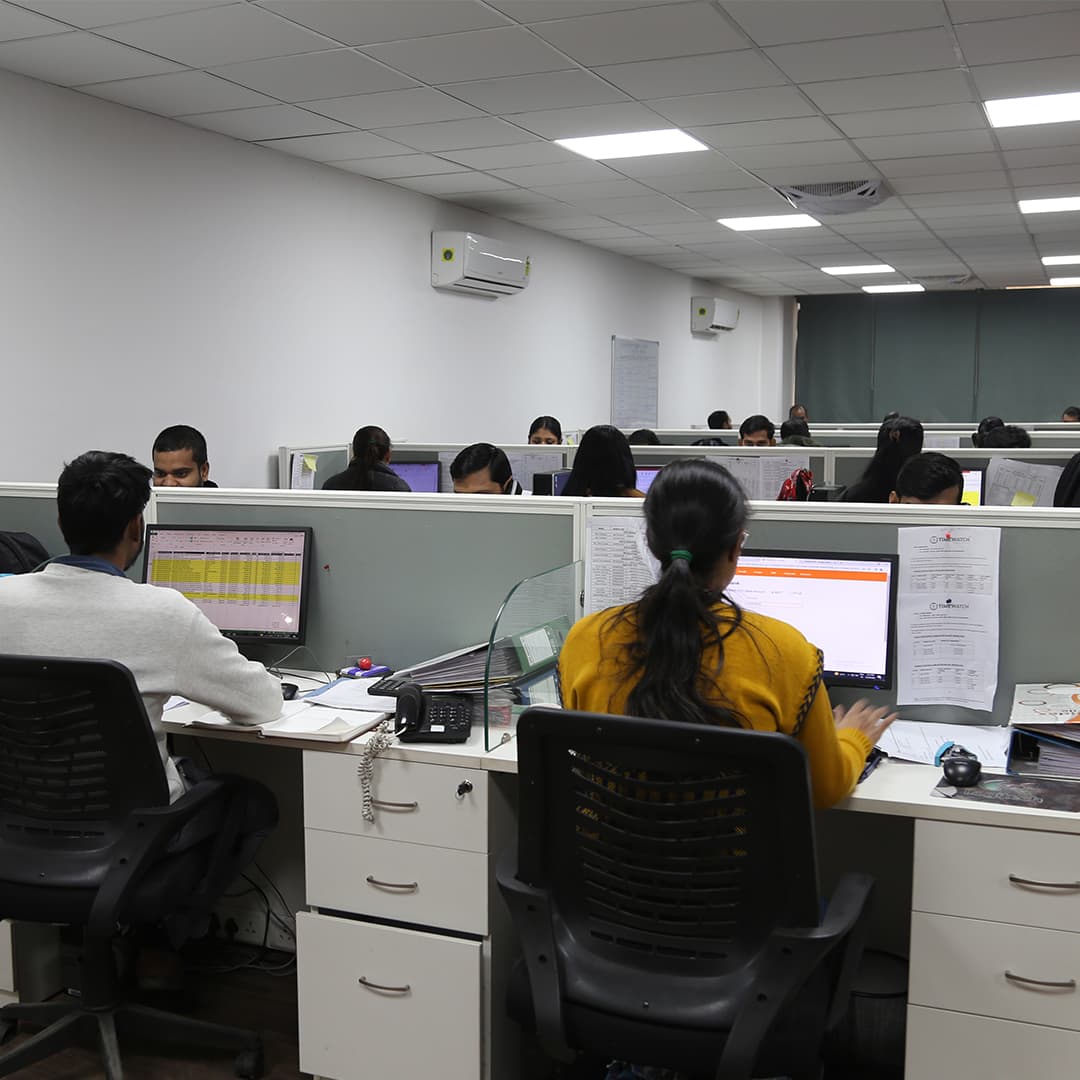
Corporate office buildings throughout Mumbai, Delhi, Bangalore deploy face recognition at main entrances and server rooms, eliminating badge requirements and preventing credential theft.
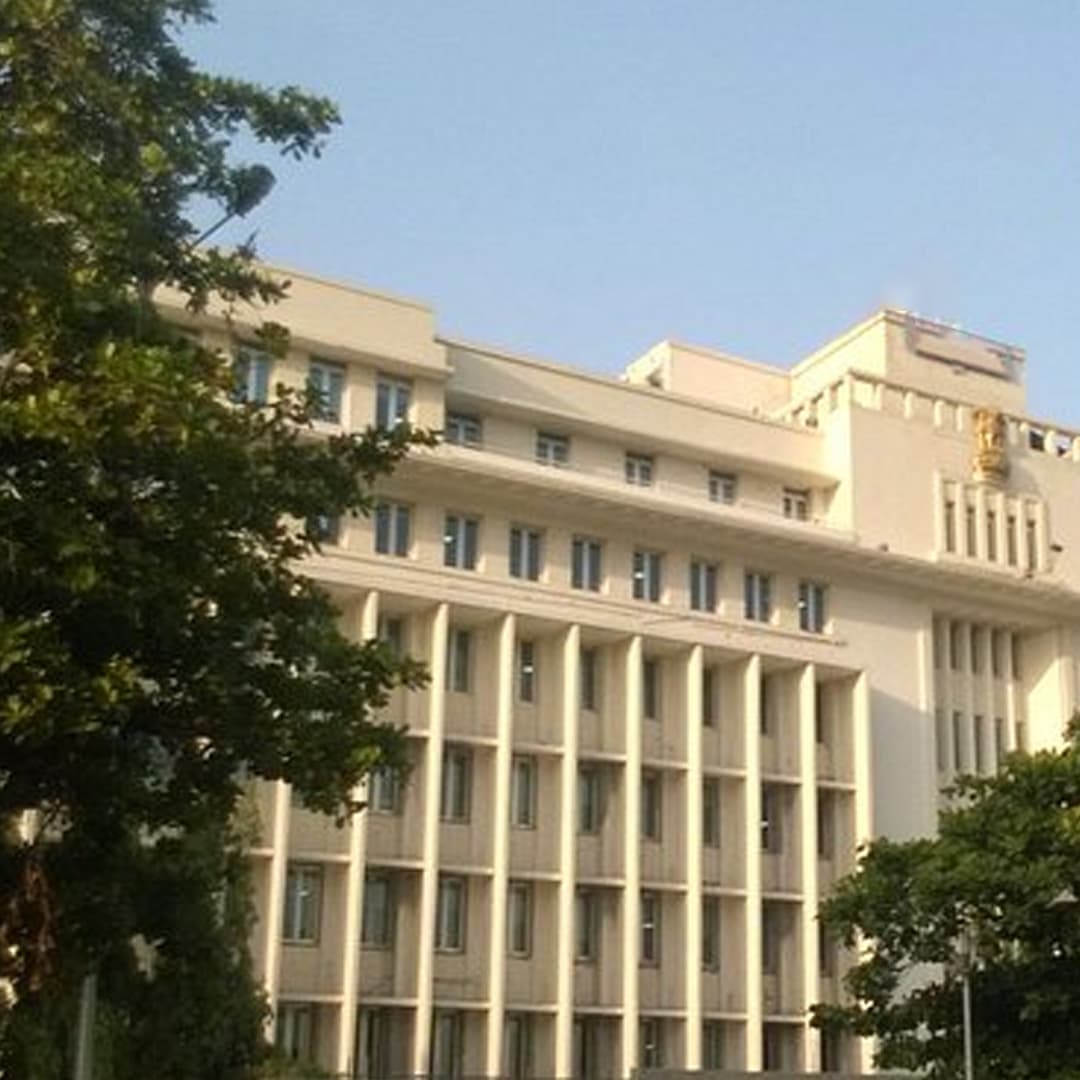
Government ministry offices implement face recognition for VIP area protection, preventing unauthorized access to classified documentation and decision-making zones.

Airport terminals deploy face recognition at security checkpoints expediting passenger processing while identifying known security risks and watch-listed individuals.

Banking facilities implement face recognition in combination with multi-factor authentication protecting vault access and executive office areas.
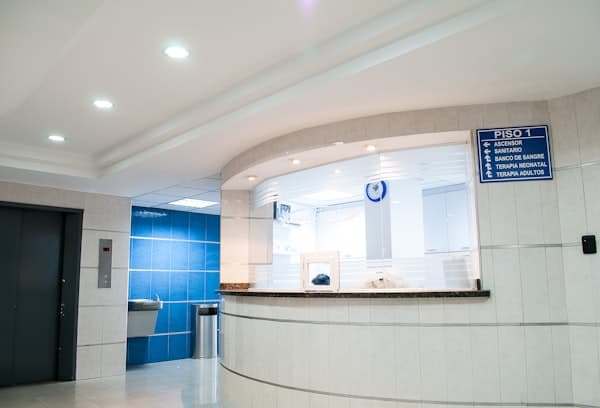
Healthcare facilities deploy face recognition protecting sensitive patient data storage areas and pharmaceutical inventory management zones.
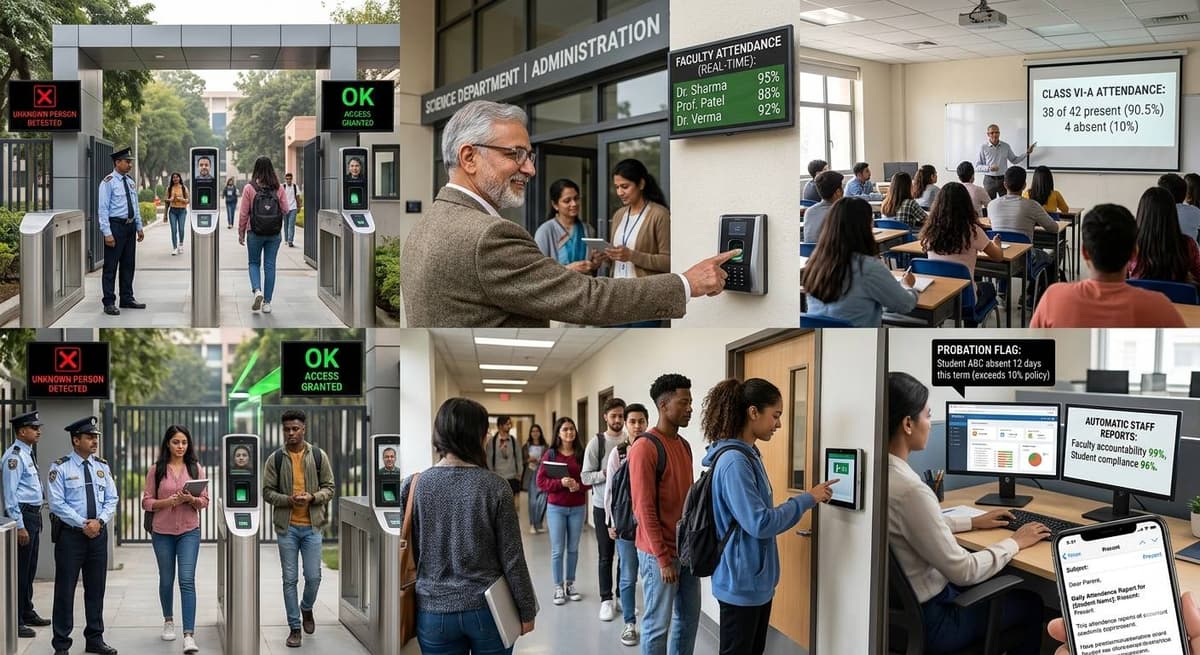
Educational institutions implement face recognition protecting research laboratories, examination secure storage, and administrative facilities.
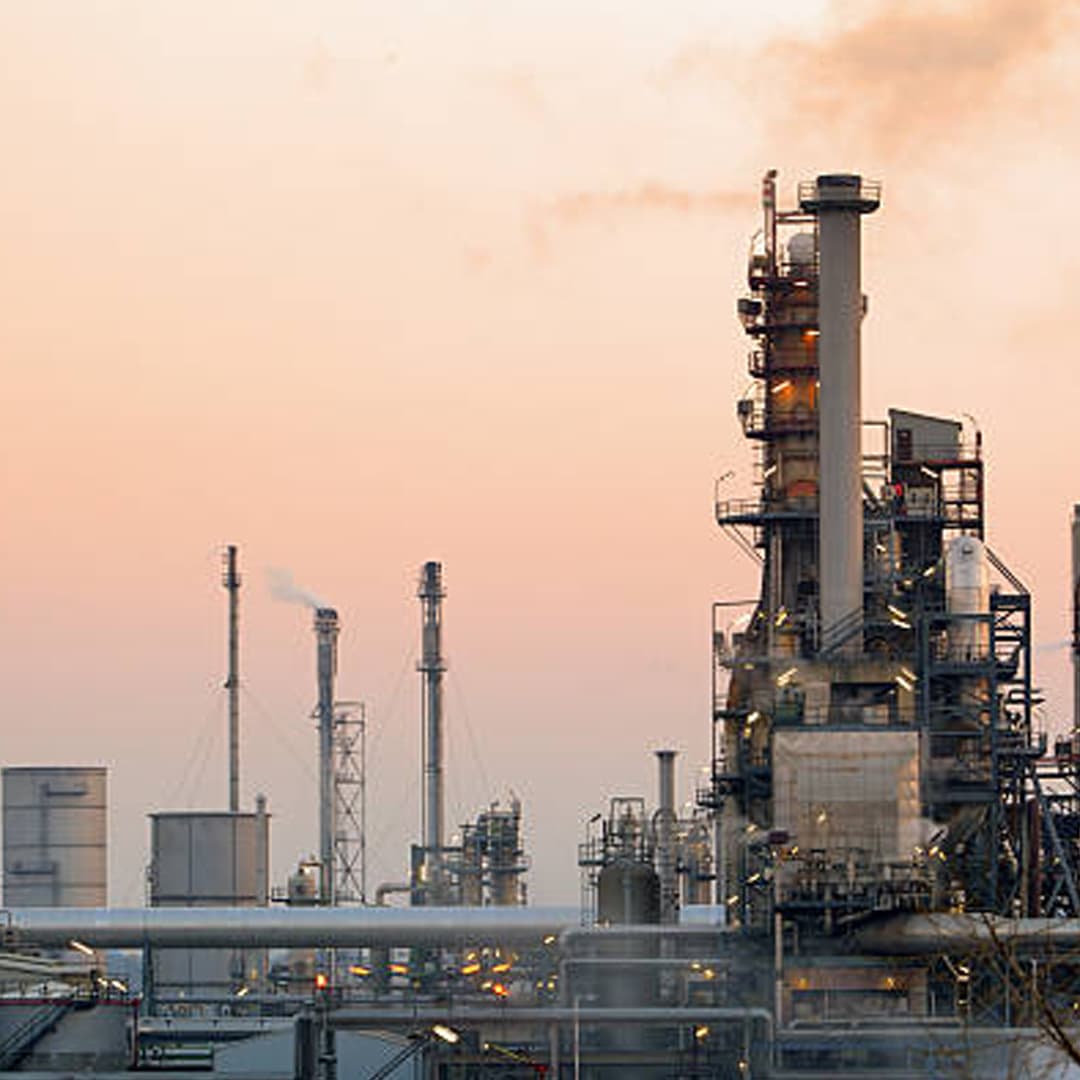
Manufacturing plants deploy face recognition protecting confidential process areas and high-security manufacturing zones from unauthorized personnel access.
99%+ identification accuracy eliminates security vulnerabilities from misidentification or spoofing attacks.
Touchless operation prevents disease transmission compared to physical contact biometric systems.
Real-time identification within milliseconds enables high-volume pedestrian throughput without security delays.
Elimination of badge vulnerability removes security risks from credential theft or unauthorized copying.
Simultaneous multi-person identification enables crowd analysis and mass access control during peak traffic periods.
24/7 operational capability through thermal imaging ensures reliable identification in complete darkness.
Database encryption protects facial templates preventing unauthorized biometric data access.
Integration with existing systems enables gradual deployment without infrastructure replacement.
Comprehensive audit logging provides complete security records for incident investigation.
Liveness detection prevents spoofing attacks protecting against photograph-based fraud attempts.
Masked face recognition enables reliable identification during health emergencies or safety equipment requirement periods.
Scalable database architecture accommodates thousands of faces without performance degradation.
Reduced administrative burden from badge management and replacement procedures eliminating time-consuming credential issuance and tracking processes.
Improved pedestrian flow efficiency through instant recognition reducing entry point congestion during shift changes and peak traffic periods.
Enhanced security audit capabilities documenting every individual entry with facial capture images and precise timestamps for complete accountability.
Real-time alerts for identified suspicious individuals matching watch-list databases enabling immediate security response.
Synchronized multi-camera operation prevents organized bypass attempts through coordinated multi-entrance access.
Seasonal deployment flexibility enabling temporary system installation for events or special security requirements.
2MP-8MP (thermal and visible spectrum)
1-5 meters adjustable
<500 milliseconds per face
99%+ under standard conditions
10,000-100,000+ faces
-20°C to 55°C
0 lux (complete darkness) to 100,000 lux (bright sunlight)
adjustable -45 to +45 degrees
anti-spoofing capable
capability
supported
REST API, SFTP, real-time notifications
Face recognition systems achieve 99%+ accuracy rates far exceeding human visual identification capability. Consistent objective analysis eliminates subjective judgment errors inherent in manual security screening. Manual checkpoint screening relies on subjective operator judgment vulnerable to fatigue and human error.
Yes, advanced systems recognize faces even with masks covering 30-50% of face including medical masks, protective equipment, and safety face shields.
Liveness detection algorithms identify living person biological markers distinguishing real faces from photographs, videos, or digital images.
Yes, thermal infrared imaging enables reliable face recognition in zero ambient lighting including complete nighttime darkness.
Modern systems maintain <500 millisecond response times even with 100,000+ enrolled faces using advanced indexing algorithms.
Facial templates encrypted using military-grade encryption algorithms preventing unauthorized biometric data access or reconstruction.
Yes, integration through REST APIs and standard protocols enables seamless connection with legacy systems without infrastructure replacement.
TimeWatch India's face recognition systems provide touchless biometric authentication trusted by India's leading enterprises, government agencies, and security-conscious organizations nationwide. Our systems deliver 99%+ accuracy, 24/7 operation in all lighting conditions, and advanced anti-spoofing protection. Proven reliability protecting India's most critical facilities ensures maximum access control effectiveness and security assurance.
Request Face Recognition Assessment TodayBiometric zone-based access control with real-time alerts and complete audit trails for secure facilities.
ExploreFingerprint, face, palm, and RFID attendance devices with real-time HRMS and payroll integration.
ExploreDigital visitor check-in, badge issuance, and host approval workflows integrated with access control.
Explore
