Blog Summary
A biometric attendance system uses unique identifiers like face, fingerprint, iris, or palm to record employee time with high accuracy. It eliminates manual registers, swipe cards, and buddy punching while ensuring real-time, error-free attendance. Modern biometric devices connect via WiFi, 4G, LAN, or cloud and integrate smoothly with HRMS and payroll for automated shifts, overtime, and leave management. Businesses across Delhi, Mumbai, Bengaluru, Hyderabad, Chennai, Pune, Ahmedabad, and Kolkata rely on biometric attendance for better discipline, transparency, and workforce security. Industries like IT, manufacturing, healthcare, education, retail, logistics, and government benefit from its automation and reliability. Advanced features, AI face recognition, mask detection, palm/iris support, mobile attendance, GPS tracking, and multi-location monitoring, make biometric systems essential for modern organizations.
What is a Biometric Attendance System
A biometric attendance system is a technology that uses the unique physical or biological characteristics of individuals to record attendance accurately. Instead of swipe cards or passwords, employees authenticate using face recognition, fingerprints, palm vein patterns or iris scans.
Biometric traits cannot be shared or duplicated, which means only the actual employee can mark their attendance. This prevents fraud, improves discipline and ensures that payroll is based on accurate working hours.
A biometric attendance system in India is widely used in:
- Corporate offices
- Factories and manufacturing units
- Hospitals and diagnostic labs
- Schools, colleges and universities
- Retail stores and malls
- Government offices
- Co working spaces
- Hotels and restaurants
- Logistics and warehouses
Every industry benefits from automation, accuracy and real time reporting.
How a Biometric Attendance System Works
Although different biometric devices use different authentication methods, the overall working process is similar. Here is how biometric attendance systems work step by step.
1. Employee Enrollment
The first step is adding an employee to the system. Enrollment is done through the device or the software. During this process, biometric data such as fingerprint, face, iris or palm is captured and converted into a digital template.
This template is stored in the device memory or the cloud. It is important to note that biometric systems do not store actual photos or fingerprints. They store encrypted mathematical patterns.
2. Daily Authentication
When the employee arrives at work, they authenticate themselves through the biometric device. Depending on the device, the employee may:
- Look into a face recognition camera
- Place their finger on a fingerprint sensor
- Bring their palm in front of a palm scanner
- Look into an iris sensor
The device captures the biometric input and compares it with the stored template.
3. Attendance Verification
The system verifies if the biometric data matches the registered template. If the match is successful, the attendance is marked. If the employee is not registered, the system denies access.
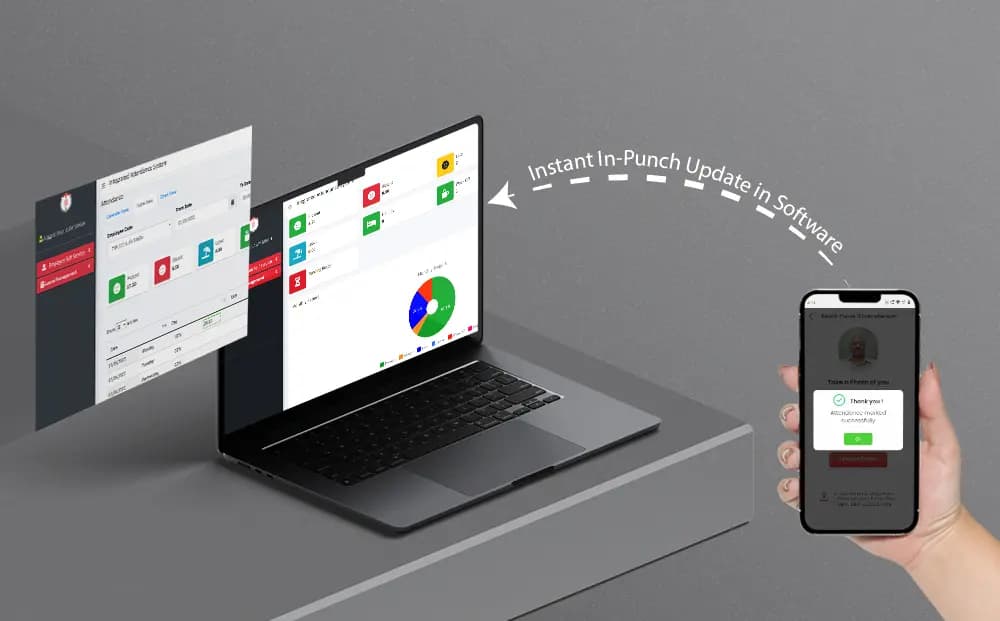
4. Real Time Data Sync
Modern biometric devices support:
- WiFi
- 4G
- LAN
- Cloud sync
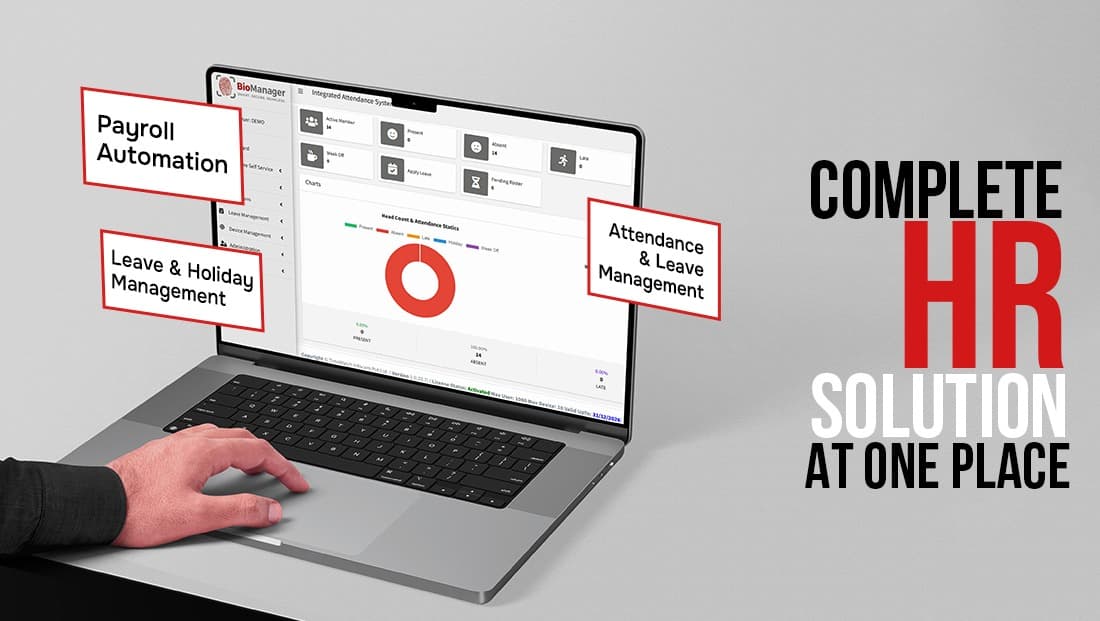
5. Integration with HRMS and Payroll
Once attendance is recorded, it is used for:
- Working hours calculation
- Overtime calculation
- Shift handling
- Leave management
- Payroll generation
- Compliance reports
This reduces manual work and prevents payroll mistakes, which is a big problem in Indian organizations.
Types of Biometric Attendance Systems in India
India has a growing demand for biometric devices and different industries use different types of solutions. Below are the most common types of biometric attendance systems used across Indian workplaces.
1. Face Recognition Attendance System
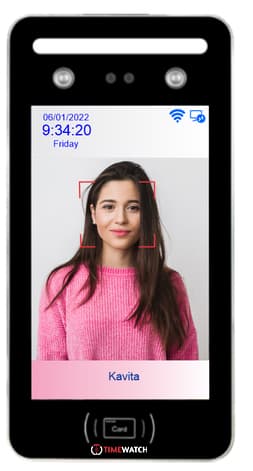
A face recognition attendance system uses artificial intelligence to scan facial patterns. It captures unique features like eye distance, jawline shape and nose structure to identify a person.
This type of system is becoming extremely popular in India because it is contactless, hygienic and very fast. It works well in:
- IT companies
- Hospitals
- Corporate offices
- Co working spaces
- Schools and coaching institutes
- Manufacturing units
- Retail chains
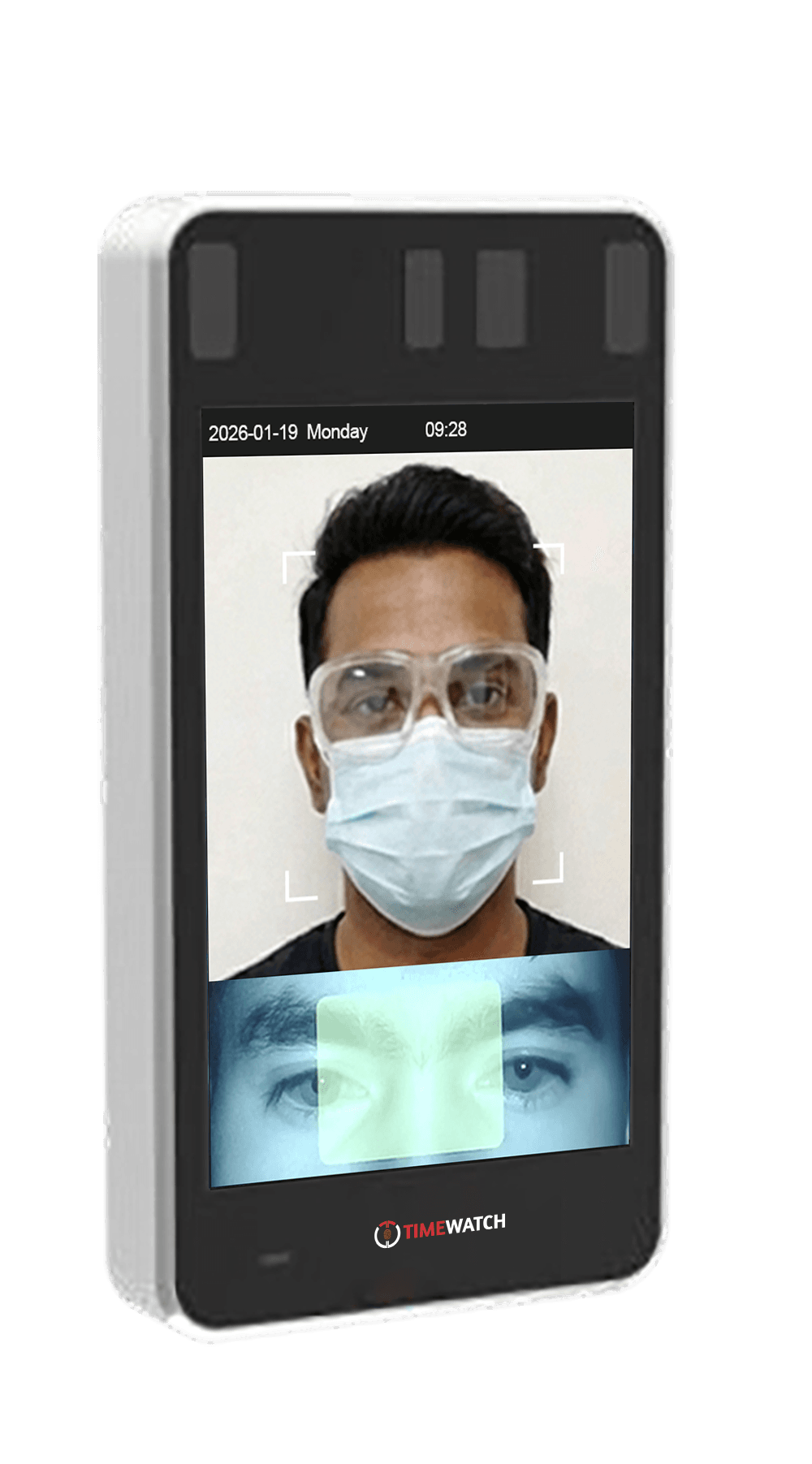
A face attendance machine is ideal for India because employees frequently wear masks, glasses or helmets and modern devices work even in these conditions.
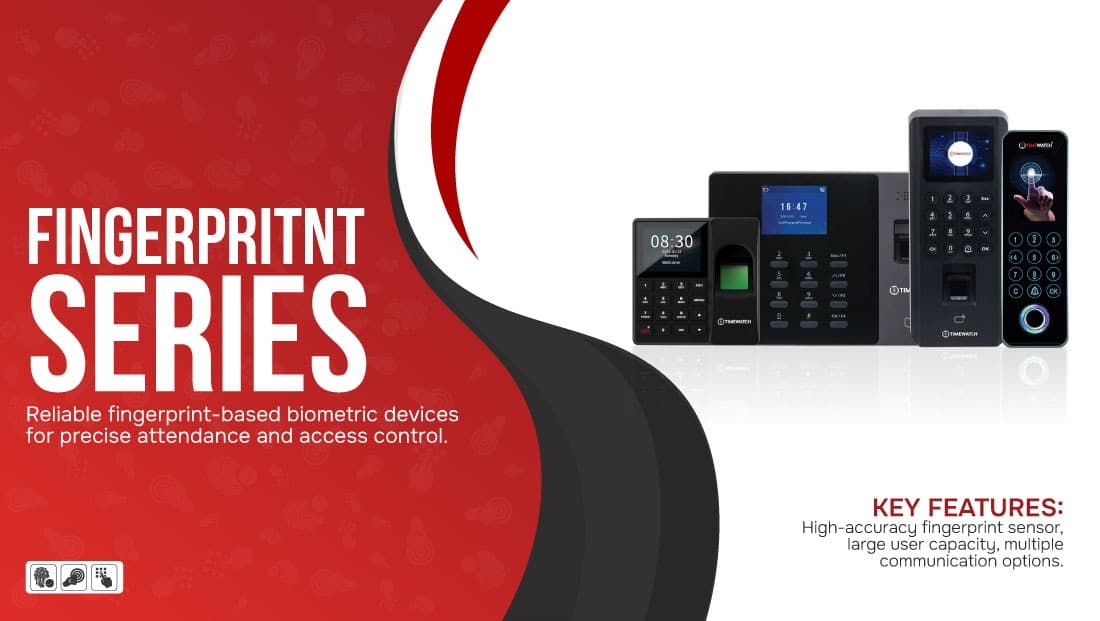
2. Fingerprint Attendance System
Fingerprint biometrics have been widely used in India for more than a decade. They work by capturing unique fingerprint ridges and matching them with stored templates.
A fingerprint attendance machine is very popular due to its reliability and cost effectiveness.
It is commonly used in:
- Factories
- Textile units
- Chemical plants
- Workshops
- Warehouses
- Small offices
- Schools
Fingerprint attendance is suitable for environments where employees do not wear gloves or work with wet hands.
3. Iris Recognition Attendance System
Iris attendance systems use the patterns in the colored ring surrounding the pupil. Iris patterns are extremely unique and cannot be spoofed.
They are used in:
- Government offices
- Research labs
- High security zones
- Hospitals
- Defense organizations
Iris attendance systems offer the highest level of accuracy.
4. Palm Recognition Attendance System
Palm recognition scans the unique vein patterns inside a person’s palm. It does not require touch and works well in all weather conditions.
Palm recognition is common in:
- Hospitals
- Food processing companies
- Pharma
- Cleanroom environments
5. Multi Biometric Attendance Systems
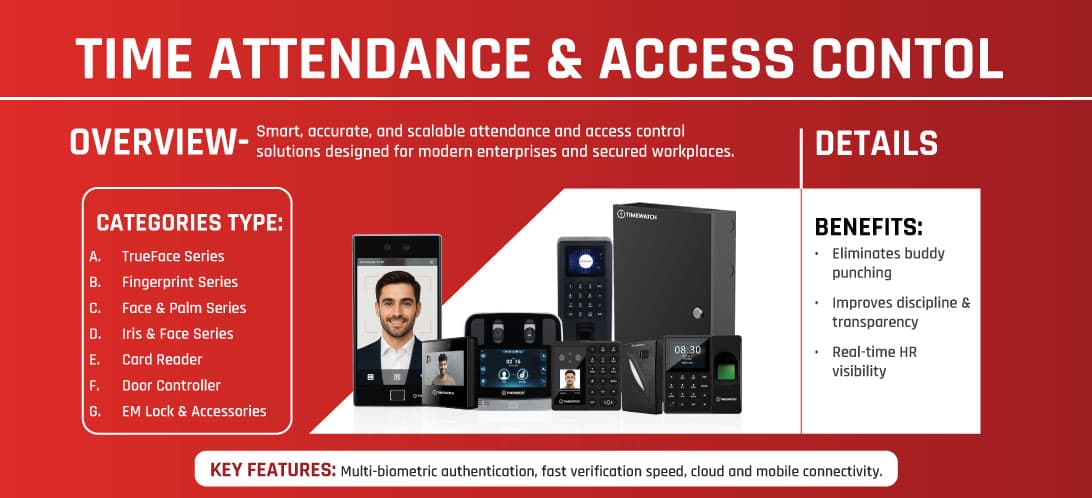
These devices support face, fingerprint, palm, iris, card and password in one unit. They are suitable for companies that want flexible authentication methods.
Why Indian Companies Are Shifting to Biometric Attendance
Indian businesses are rapidly adopting biometric attendance systems because they solve some of the biggest attendance challenges.
1. Eliminates Buddy Punching
One employee cannot punch attendance for another. This saves companies money and improves discipline.
2. Accurate Payroll Calculation
Clean attendance data ensures correct salaries, overtime and leave calculations.
3. Easy Shift and Roster Management
Factories and hospitals in India manage multiple shifts. Biometric systems handle this automatically.
4. No More Manual Registers
Paper registers are slow, inaccurate and easy to manipulate.
5. Real Time Reporting
HR teams and managers can track attendance instantly from anywhere.
6. Perfect for Multi Location Businesses
Retail chains, hospitals and corporates across India can track all branches from one dashboard.
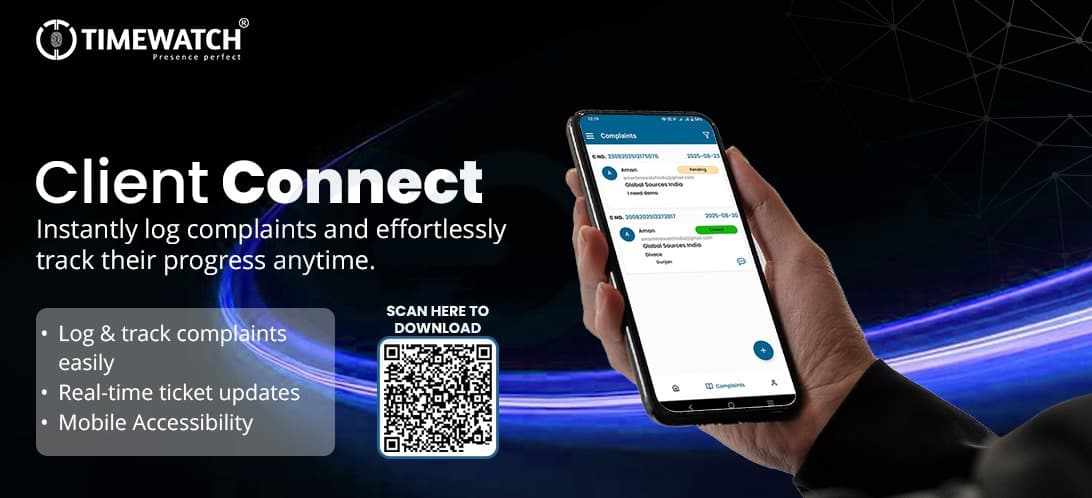
7. Mobile Attendance for Field Staff
Field staff can mark attendance through a mobile app with GPS and photo verification.
8. Improved Security and Access Control
Biometric devices also help manage access to secure areas like server rooms or labs.
Industries in India That Use Biometric Attendance
The system is now used across almost every industry.
Manufacturing and Industries
Factories in Gujarat, Maharashtra, Tamil Nadu, Karnataka and Rajasthan use biometric attendance to manage shift workers.
IT and Corporate Offices
Employees in Bengaluru, Pune, Hyderabad, and Gurgaon use face based attendance for quick entry.
Education Sector
Schools and colleges across India need clean attendance for staff.
Healthcare
Hospitals and labs need contactless face attendance for hygiene.
Retail and Shopping Malls
Retail chains track attendance across branches.
Logistics and Warehousing
Workers in warehouses mark attendance through fingerprint or face machines.
Government and PSU organizations
Iris and fingerprint systems are used for maximum accuracy.
Benefits of Biometric Attendance
- Accurate and real time
- Increases employee discipline
- Fully automated
- No fake entries
- Easy payroll integration
- Works for field and office staff
- Scalable for multiple locations
- Reduces HR workload
Common Features of Modern Biometric Attendance Systems
- AI face recognition
- Mask detection
- Palm and iris support
- RFID and smart card access
- 4G, WiFi, LAN connectivity
- Cloud synchronization
- Mobile app attendance
- Shift and roster management
- GPS based field tracking
- Real time reports