Manual Register to Digital Attendance Plan | TimeWatch
A step by step plan to move from manual attendance registers to digital attendance. Clean your data, run an enrolment drive, test in parallel, go live.
The safest way to move from a manual register to digital attendance is in four stages: clean up your employee data, enrol everyone on the device, run the register and the new system side by side for one pay cycle, then switch over fully. Rushing straight from the register to the machine on the first of the month is what causes most failed rollouts.
Most teams worry more about people than technology. This plan works for an office of 30 or a plant with 800 workers across shifts.
Why does the switch go wrong for some companies?
The problems are rarely about the device. They come from three gaps:
- Messy master data. Duplicate names, missing employee codes and staff who left months ago still on the list.
- Incomplete enrolment. Night shift workers, field staff and people on leave are skipped, so they cannot punch when the system goes live.
- No comparison period. The company stops the register on day one, finds a problem with shift rules in week two, and has nothing to cross check against.
A planned migration closes all three gaps before they reach payroll.
Step 1: How should you clean up employee data first?
Before you touch any device, prepare one clean master list. This becomes the base for attendance, leave and payroll.
- Give every employee a unique employee code. Do not reuse codes of people who have left.
- Record department, designation, branch, shift and date of joining for each person.
- Separate permanent staff, contract labour and trainees, since rules may differ.
- Collect current leave balances so they can be entered as opening balances.
- Write down your actual shift timings, grace periods, weekly offs and holiday list per branch.
This often exposes surprises, like two “general shift” timings in two departments. Settle them now.
Step 2: How do you run an enrolment drive without disrupting work?
Enrolment means registering each person’s face, fingerprint, card or a combination on the device and linking it to their employee code. Treat it as a short, organised drive rather than something done whenever people walk past.
- Schedule by department and shift. Book 15 to 20 minute slots per group, including a slot for the night shift.
- Explain before you enrol. Tell staff what is captured, why, and how it is stored. Biometric data is personal data under the Digital Personal Data Protection Act 2023, so take clear consent and confirm your process with your legal or compliance advisor.
- Enrol a backup method. For workers with worn fingerprints, common in construction and manufacturing, add face or card as an alternative.
- Cover remote and field staff. Use mobile enrolment through the app for people who rarely visit the office.
- Keep a checklist. Tick off every employee code so nobody is missed.
Sharing a simple explainer on how an attendance machine works reduces nervousness for first time users.
Step 3: What is a parallel run and how long should it last?
A parallel run means keeping the manual register going while the digital system records the same days. At the end of the period, HR compares both for a sample of employees.
| What to compare | What a mismatch usually means |
|---|---|
| Present days | Someone not enrolled, or punching at the wrong device |
| Late marks | Grace time configured differently from policy |
| Overtime hours | OT rule or shift end time set incorrectly |
| Leave days | Leave approved outside the system |
| Night shift attendance | Shift crossing midnight not configured correctly |
One full pay cycle is usually enough. It covers a month end, at least a few holidays and all shift rotations. Fix every mismatch at the rule level, not by editing individual records, so the same error does not come back.
Step 4: What should go live day look like?
Pick a clean start date, ideally the first day of a pay cycle. A week before, announce the date clearly on notice boards and in team groups. On the day itself:
- Place a staff member near the device for the first few shifts to help with punching.
- Keep a small missed punch form or app request process ready for genuine issues.
- Stop the register formally, so nobody keeps signing it “just in case”.
- Watch the first week’s exception report daily and fix patterns quickly.
Also plan for basics that Indian sites deal with: a UPS for monsoon power cuts, a network check if the device syncs over LAN, and a second device at gates where queues form at shift change.
How long does the whole migration take?
A single location with under 200 people and a clear policy can finish within one pay cycle plus a week or two of preparation. Multi location companies usually roll out branch by branch, starting with the branch with the cleanest data. Large plants with several shifts and contract labour need more time for enrolment and rule setup.
How TimeWatch can help
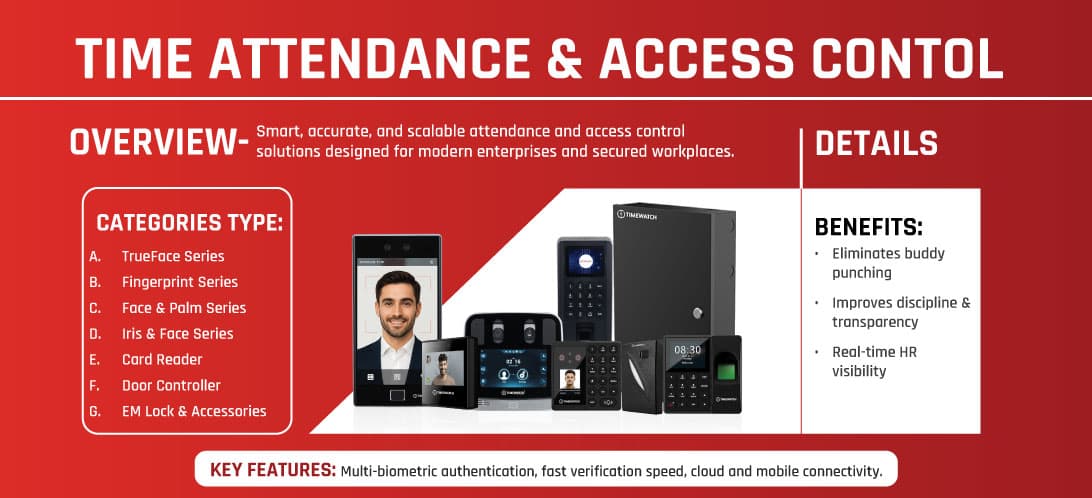
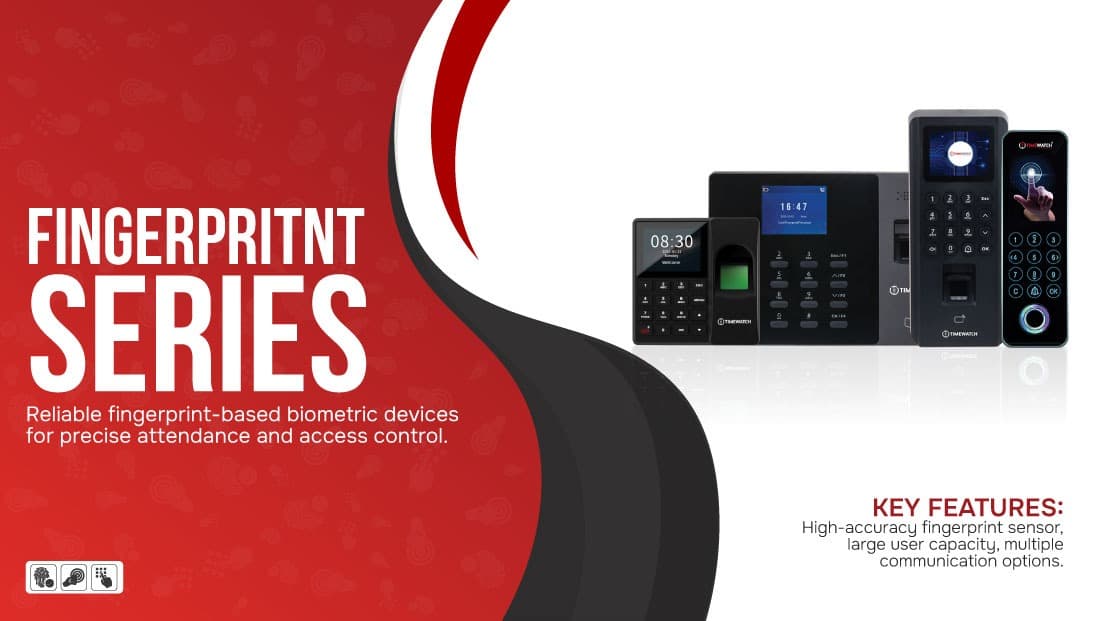
TimeWatch supports every stage of this plan. For hardware, you can choose from fingerprint models like the Bio-27 with built in battery, face terminals like the TrueFace3000 with face, card, PIN and QR, or the Bio-1SE with face, palm, finger, card and PIN for sites where fingerprints alone are unreliable. Our India guide to biometric attendance systems helps you shortlist the right fit.
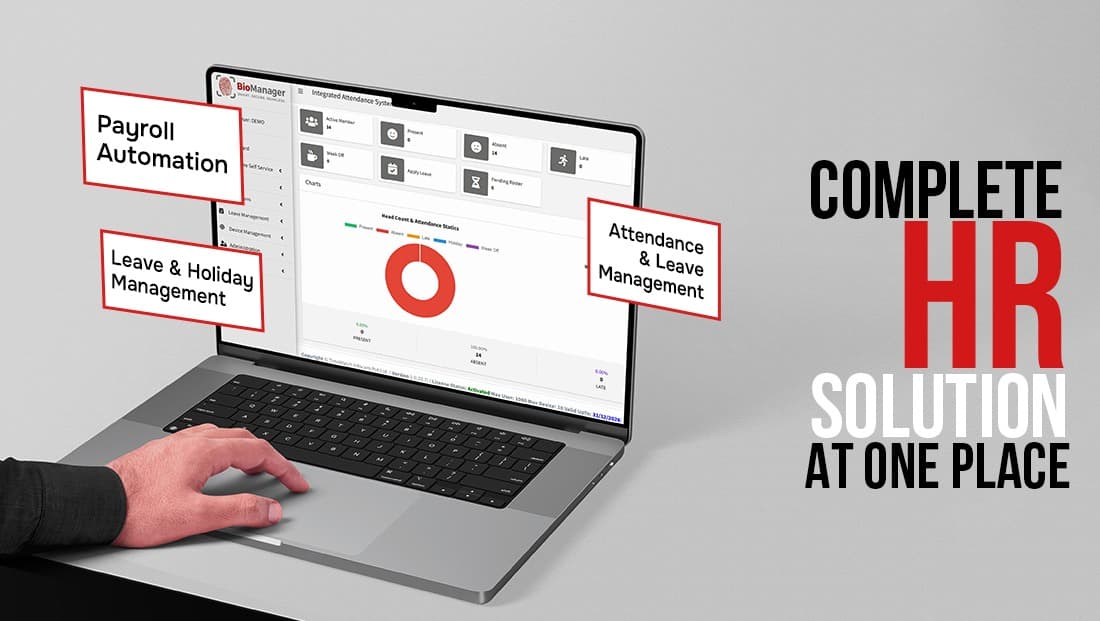
On the software side, BioManager and TimeWatch Payroll Management bring shift rules, leave, approvals and salary into one place, with mobile app enrolment for field staff. Our implementation and helpdesk teams, along with our dealer network across India, can assist with installation, configuration and the parallel run review.
Frequently asked questions
Should we stop the manual register immediately after installing the device?
No. Run both for one pay cycle and compare them. This catches enrolment gaps and wrong shift rules before they affect salaries.
What if some workers cannot register their fingerprint?
This is common with manual labour. Enrol them on face, palm or card instead, or choose a device that supports more than one method.
Do we need written consent from employees for biometric attendance?
Biometric data is personal data under the DPDP Act 2023, so taking informed consent and explaining the purpose is good practice. Confirm the exact process with your legal or compliance advisor.
Can we migrate one branch at a time?
Yes, and it is often the smarter choice. Start with one branch, learn from it, then roll out to others using the same master data format.
What happens to our old register records?
Keep them safely as per your record retention policy. The digital system starts fresh from the go live date, with opening leave balances carried forward.
Next step
Moving off registers is easier with someone who has done it many times. Contact TimeWatch to plan your enrolment drive, device placement and parallel run around your actual shift pattern.