Late Marks and Half Day Rules Explained | TimeWatch
Learn how late mark and half day rules work in Indian workplaces, how attendance software automates them, and how to keep penalty policies fair.
A late mark policy records each time an employee arrives after the allowed start time, and converts a set number of late marks into a deduction such as a half day of leave or salary. A common example in Indian workplaces is “three late marks in a month equal one half day”, though every company sets its own numbers.
In some countries, companies use formal point systems where each lapse earns points until a warning is triggered. Indian workplaces usually work on the same idea in a simpler form: late marks, early going marks, half days and short leave rules. Done well, these rules encourage punctuality without making people feel policed. Done badly, they become a constant source of arguments between HR and staff. This article explains how they work and how software takes the manual effort out.
What is a late mark, and how is it counted?
A late mark is recorded when an employee punches in after their shift start time plus any grace period. For example, if a general shift starts at 9:30 and the grace period is 10 minutes, a punch at 9:38 is on time, while a punch at 9:42 earns a late mark. These figures are illustrations; the shift start, grace period and thresholds are entirely your policy choice.
Typical elements of a late mark policy include:
- Shift start time: defined per shift, since many businesses run morning, general and night shifts
- Grace period: a buffer for traffic, public transport delays and the monsoon
- Late mark threshold: how late counts as a late mark, rather than a half day
- Half day threshold: arriving very late, or leaving very early, may count directly as a half day
- Monthly cap: the number of late marks allowed before a deduction applies
- Early going marks: the mirror rule for leaving before shift end
How do half day and penalty conversions usually work?
Once late marks are recorded, the policy decides what they convert into. Here are some example structures companies use. They are illustrations only, not recommendations:
| Rule type | Example policy | What happens |
|---|---|---|
| Late mark conversion | 3 late marks in a month equal a half day | Half day deducted from leave balance or salary |
| Direct half day | Arriving well past the late mark window | Marked as half day for that date |
| Short working hours | Total hours below a set minimum | Marked half day or absent |
| Early going | Leaving before shift end without approval | Counted like a late mark |
| Short leave allowance | A limited number of short leaves per month | Excused lateness up to the allowance |
Many companies deduct from casual leave first and only cut salary when leave runs out. Others apply the deduction to salary directly. Whatever you choose, write it down and share it before applying it.
Why is calculating late marks manually so painful?
With a register or a basic device that only exports raw punches, HR has to check every employee’s in and out time against their shift, count late marks, apply the conversion rule and then pass it to payroll. With rotating shifts, night shifts that cross midnight and employees on out duty or approved short leave, mistakes creep in quickly.
The result is familiar: disputed deductions, delayed salaries and confusion over which spreadsheet is final.
How does attendance software automate the rules?
Good attendance software applies your late mark policy automatically every day. HR defines the shift, grace period, thresholds and conversion rule once. From then on:
- Each punch from the device or app is matched to the employee’s assigned shift
- Late marks, early going and half days are calculated instantly
- Approved leave, out duty and short leave requests are applied before any penalty is counted
- Monthly conversion, such as three late marks to a half day, happens automatically
- Results flow into payroll, so deductions match attendance exactly
- Employees can see their own late marks on the mobile app before month end
To see how punches travel from the device into these calculations, read our explainer on how an attendance machine works.
How do you keep a late mark policy fair?
Fairness keeps a penalty policy effective. A few principles help:
- Apply rules consistently: the same thresholds for everyone in the same shift category
- Allow a sensible grace period: account for real conditions like traffic and heavy rain
- Give visibility: let employees see late marks as they happen, not as a surprise on the salary slip
- Provide a correction route: missed punches and genuine reasons should be raised and approved in the system
- Review exceptions monthly: if many people are late at one site, the shift timing or transport may be the real issue
- Stay within the law: Indian law requires employers to maintain attendance and wage records, for example under the Factories Act 1948 and state Shops and Establishments Acts, and India’s four Labour Codes consolidate older rules on wages and deductions. Confirm your deduction policy with your legal or compliance advisor.
How TimeWatch can help
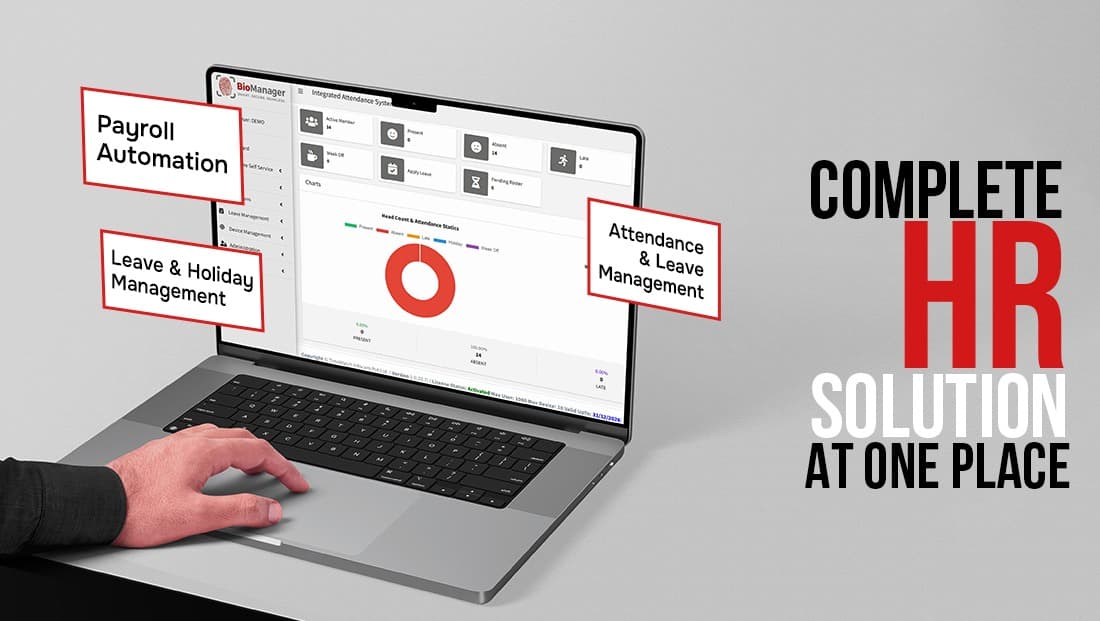
TimeWatch BioManager lets HR set shifts, grace periods, late mark and half day thresholds and monthly conversion rules, then applies them automatically to every punch in real time. Leave, out duty and multi level approvals are built in, so approved absences never turn into wrong penalties. Results move straight into TimeWatch Payroll Management, which handles leave and holiday integration, overtime and salary slips by PDF and email, with audit logs for every change. Learn more about our attendance and payroll software.
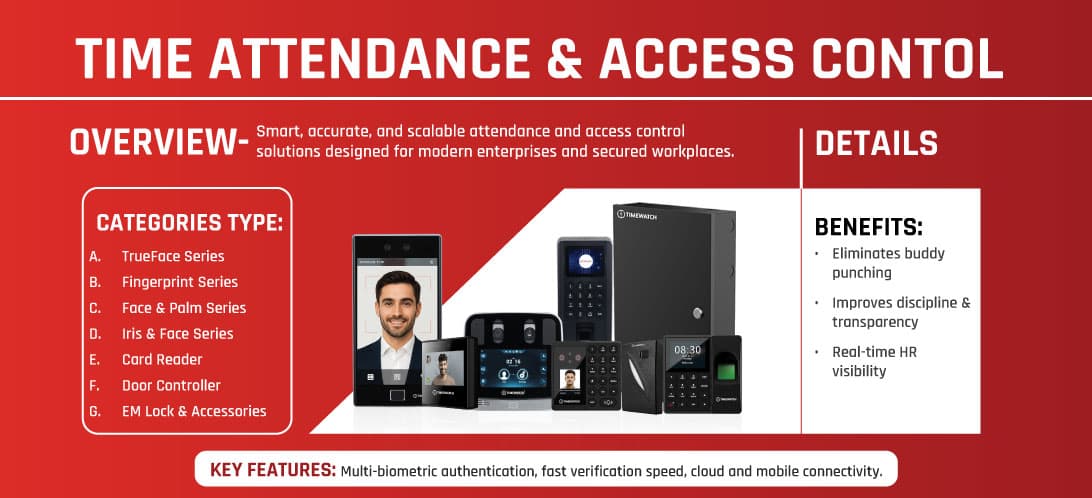
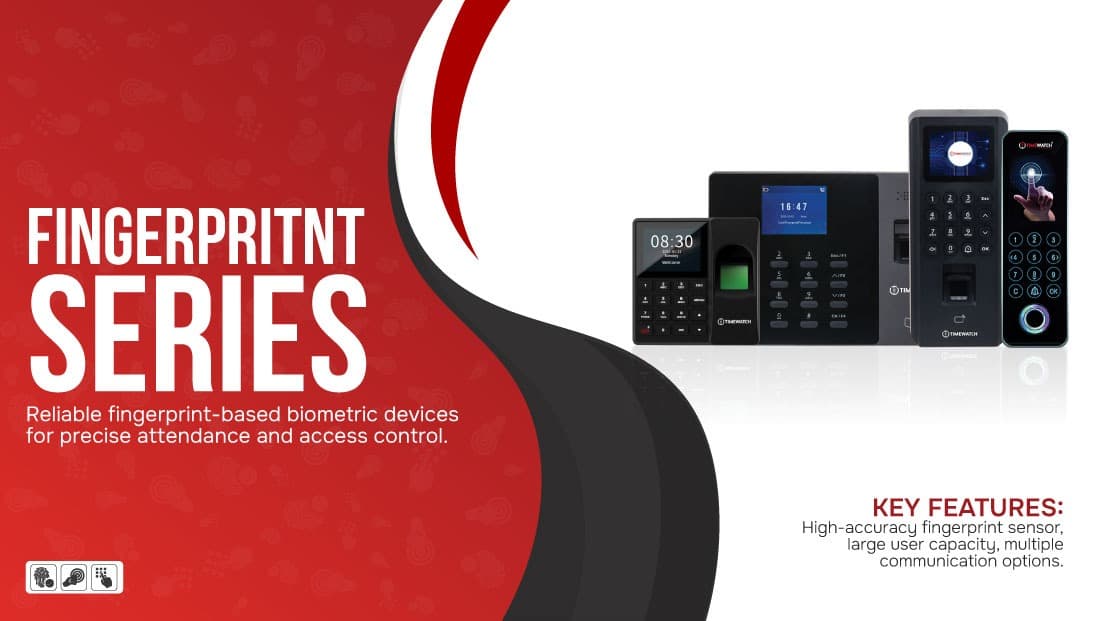
For businesses that prefer on premise software, iAS Desktop includes shift rosters, leave management and automated salary. Accurate late marks start with accurate punches, so pair the software with reliable hardware such as the Bio-27 or TrueFace3000 from our biometric attendance machines range.
Frequently asked questions
Is “three late marks equal a half day” a legal requirement?
No. It is a common company policy example, not a legal rule. Each employer sets its own policy, and you should confirm it with your legal or compliance advisor.
What is a reasonable grace period?
It depends on your location and commute patterns. Many companies allow a short buffer, and it helps to review it if lateness is widespread at one site.
Can late marks be deducted from leave instead of salary?
Yes, many companies do this. Software can be configured to deduct from leave balance first and only affect salary when leave runs out.
How are night shifts that cross midnight handled?
Good attendance software links the in punch and out punch to the same shift even when they fall on different dates, so late marks and hours are calculated correctly.
Can employees challenge a late mark?
They should be able to raise a correction request with a reason, which the manager approves or rejects in the system, leaving a clear audit trail.
Next step
If late mark calculations eat up HR time every month, automation can fix it. Book a demo with TimeWatch and we will configure your own late mark and half day rules so you can see the results on real data.