Can Face Recognition Replace Punch Cards? | TimeWatch
Face recognition can replace punch cards for attendance in most workplaces. Learn why it stops card sharing, and where RFID cards still make sense.
Yes, in most workplaces face recognition can replace punch cards completely for attendance. It is contactless, it ties every punch to the actual person rather than a piece of plastic, and it removes the cost and hassle of lost or forgotten cards.
That said, cards have not become useless overnight. There are still a few situations, mostly around door access and short term visitors, where a card or QR pass works better alongside face recognition. This article explains when a full switch makes sense, when a mix is smarter, and how to plan the move without disrupting your shifts.
Why are businesses moving away from punch cards?
Punch cards, whether old paper time cards or RFID swipe cards, share one basic weakness: the card proves that a card was present, not that the employee was. In many Indian offices and factories this leads to buddy punching, where one worker swipes for a friend who is running late or has not come in at all.
Other everyday problems with cards include:
- Cards get lost, damaged or left at home, so HR spends time issuing replacements and correcting attendance
- Contract and temporary workers leave without returning cards
- Card printing and replacement add a recurring cost
- Paper time cards need someone to read and enter the data manually
- There is no photo record to check later if a dispute comes up
Each problem is small on its own, but across a few hundred workers and two or three shifts, it adds up to real hours lost every month.
How does face recognition solve the card sharing problem?
A face recognition terminal compares the live face in front of it with the template stored during enrolment. Since the employee is the credential, nobody can lend their face to a colleague. This is the single biggest reason companies make the switch, because it closes the proxy attendance gap without HR needing to watch the gate.
Face recognition is also contactless. After the pandemic, many workplaces prefer not to have hundreds of people touching the same reader every morning, and it suits hospitals, food processing units and clinics where hygiene matters. Unlike fingerprints, face recognition also works for workers whose fingertips are worn by manual labour, cement or chemicals. To see how the technology works step by step, read our guide on face recognition attendance systems.
Is face recognition fast and reliable enough for shift changes?
Modern face terminals verify a person in a fraction of a second, so queues at shift change move quickly. Recognition at a distance means employees do not need to stop and line up their face precisely. Many devices now work in low light and handle common changes such as glasses, beards or a new hairstyle, though enrolment quality and mounting height still matter.
Reliability also depends on the setup. Mount the device away from direct sunlight streaming in through a gate, keep a power backup for monsoon power cuts, and enrol each person carefully in good lighting. With those basics covered, a face terminal is usually more dependable day to day than a card system, simply because there is nothing for employees to forget.
When do cards still make sense?
A good way to think about it: use face recognition for attendance, and use cards where you need a credential that can be handed out and taken back.
| Situation | Face recognition | Cards or QR passes |
|---|---|---|
| Daily employee attendance | Best choice, no sharing possible | Risk of buddy punching |
| Contract labour attendance | Strong fit, no cards to recover | Cards often lost |
| Visitors and one day contractors | Enrolment is unnecessary for a single visit | Temporary card or QR pass is simpler |
| Door access for high traffic internal doors | Works well | Also works, sometimes as backup |
| Canteen, parking or library use | Possible | Common and convenient |
| Backup if a face cannot be read | Needs an alternative | Card or PIN fallback is handy |
Many businesses therefore choose a face terminal that also accepts cards, PIN or QR. Employees punch by face, visitors get a temporary pass, and HR has a fallback for rare cases.
How should you plan the switch from cards to face?
Moving from cards to face recognition is straightforward if you plan it in stages:
- Audit your current setup: number of entry points, shifts, and how cards are used beyond attendance.
- Pick devices with enough user capacity and the right build for each location.
- Communicate the change to employees, explain why, and collect consent. Biometric data is personal data under the Digital Personal Data Protection Act 2023, so consent, purpose limitation and security matter.
- Enrol everyone, run cards and face in parallel for a short period, then retire attendance cards.
- Keep cards only where they still add value, such as visitor passes or access control.
Indian law requires employers to maintain accurate attendance and wage records, for example under the Factories Act 1948 and state Shops and Establishments Acts. Confirm the specifics for your business with your legal or compliance advisor.
How TimeWatch can help
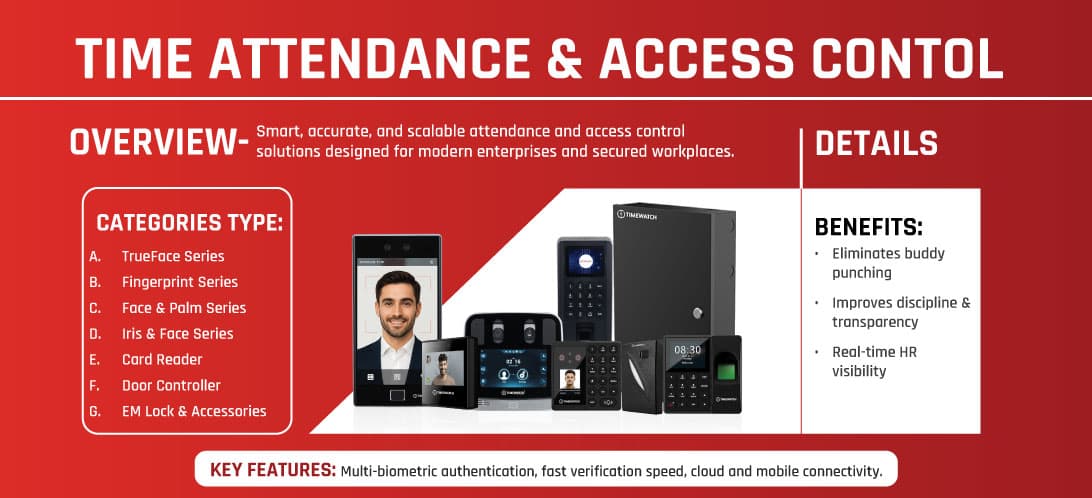
TimeWatch offers a full range of face attendance machines designed to replace punch cards while still supporting cards where needed. The TrueFace3000 handles face, card, PIN and QR for up to 5,000 users, making a gradual switch easy. Larger sites can choose the TrueFace50 for 50,000 users, and the AI-FaceT7-Pro recognises faces from 0.5 to 2.5 m away, which keeps shift change queues short.
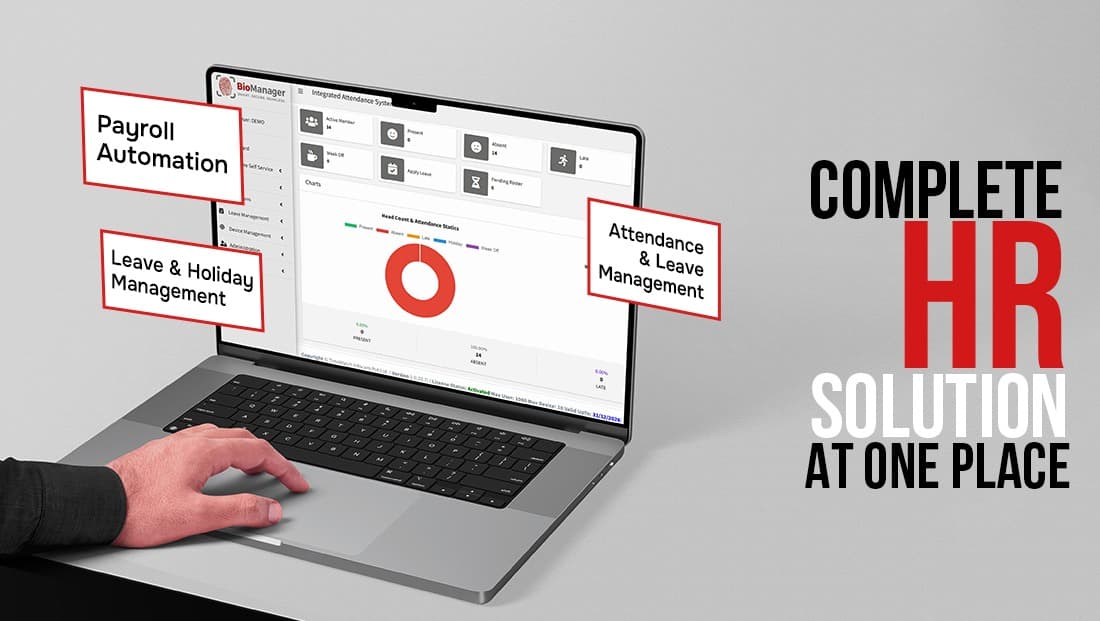
For doors and guests, pair your attendance terminals with a TimeWatch access control system and our visitor management system, so employees use their face while visitors receive temporary passes. All punches flow into BioManager for real time reports and payroll.
Frequently asked questions
Can face recognition completely replace RFID cards?
For employee attendance, yes in most cases. Cards are still useful for visitors, some access control setups and as a fallback credential.
Does face recognition work for workers with worn fingerprints?
Yes. This is one of its main advantages over fingerprint and card systems in factories and construction, since it does not depend on fingertip condition.
Can employees cheat a face recognition system with a photo?
Good terminals include checks designed to tell a live face from a printed photo or screen. Ask your vendor how their device handles spoofing and test it during the demo.
What happens to our existing cards after switching?
You can keep them for access control, canteen or parking if your devices support cards, or retire them once face enrolment is complete.
Do we need employee consent to use face recognition?
Biometric data is personal data under the Digital Personal Data Protection Act 2023, so informing employees and obtaining consent is important. Confirm the details with your legal advisor.
Next step
If buddy punching or lost cards are costing you time, a face terminal is a practical fix. Get in touch with TimeWatch and we will help you plan a smooth switch from cards to face recognition.