How to Stop Buddy Punching at Work | TimeWatch
Cards and PINs can be shared, so buddy punching continues. Compare fingerprint, face with liveness, palm, iris and mobile face checks to see what works.
To stop buddy punching, you need an attendance method that verifies the person, not something the person carries or knows. Cards, PINs and paper registers can all be handed to a colleague; fingerprint, face recognition with liveness detection, palm and iris methods tie each punch to the actual individual standing at the device.
Buddy punching, also called proxy attendance, is when one employee marks attendance for another who is late or absent. In Indian workplaces it often shows up as a friend signing the register, a shared access card, or a supervisor’s PIN known to half the shift. It is rarely dramatic, but over months it quietly inflates payroll and damages trust between honest employees and management.
Why do cards and PINs fail to stop proxy attendance?
Cards and PINs verify a token or a code, not a person. That makes them easy to share:
- Cards can be handed over at the gate or left with a colleague on the night shift.
- PINs get shared, written on a sticky note near the device, or guessed when people use simple numbers.
- Registers can be signed by anyone, and backdated entries are hard to challenge.
These methods still have a place, for example as a backup for someone with an injured finger, or for visitors. As the main method for attendance, though, they leave the door open to proxies.
How do biometric methods compare?
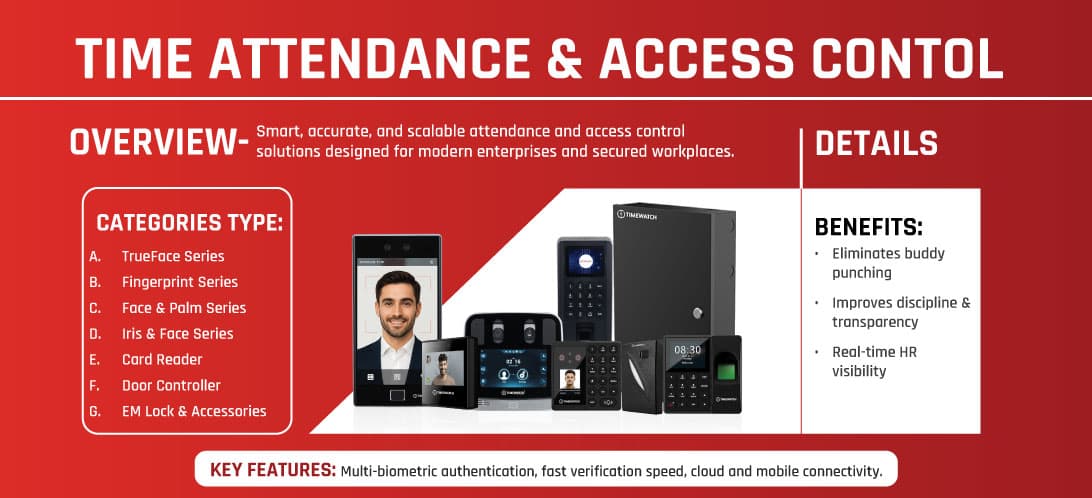
Each biometric method has strengths and limits. The table gives a practical comparison for Indian workplaces:
| Method | How hard to proxy | Works well for | Watch out for |
|---|---|---|---|
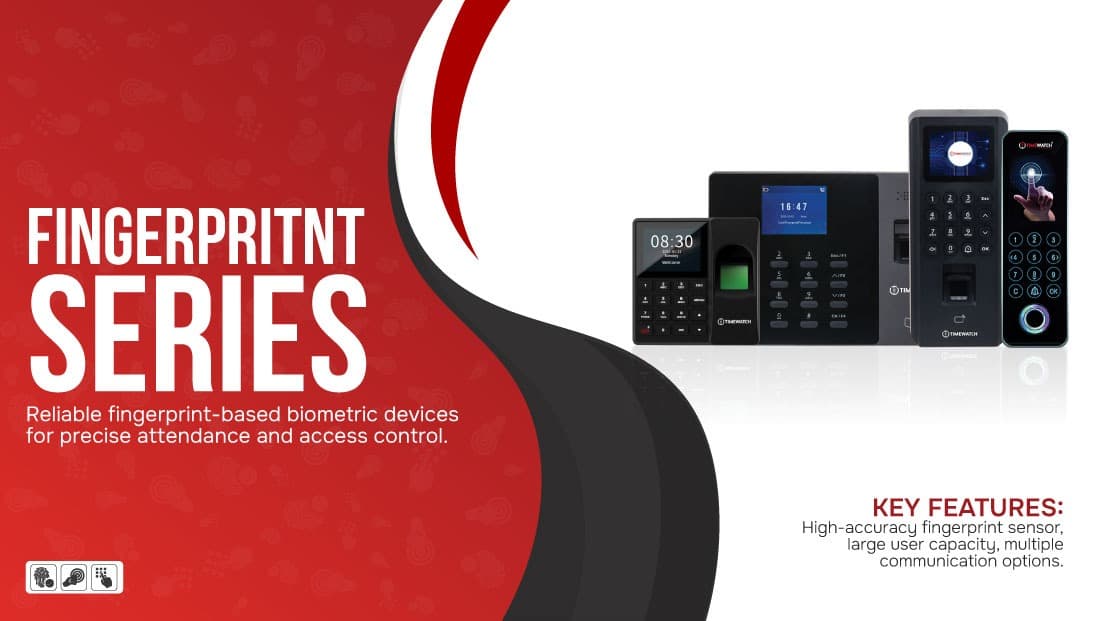
| Fingerprint | Hard | Offices, shops, schools | Worn or dirty fingers in manual labour |
| Face with liveness detection | Very hard | Factories, hospitals, large teams, touchless needs | Placement and lighting must be right |
| Palm | Very hard | Sites where fingerprints are unreliable | Fewer users are familiar with it at first |
| Iris | Extremely hard | High security areas, very large workforces | Requires users to look into the device correctly |
| Mobile with live face verification and geo fencing | Hard | Field sales, service and construction teams | Needs clear policy on location use |
The key phrase for face recognition is liveness detection. A basic camera can sometimes be fooled by a printed photo or a phone screen. Terminals with liveness checks are designed to confirm that a real, present person is in front of the camera, which is what makes them effective against proxies.
What about field staff who never visit the office?
Sales executives, service engineers and site supervisors create a different kind of proxy risk. Without a device to punch on, they might report attendance by phone or message, which cannot be verified.
A mobile attendance app with live face verification solves the identity part, because the employee must show their face to the phone camera at the time of punching. Geo fencing solves the location part, because the punch is accepted only within an approved area such as a client site or project location. Together they confirm both who punched and where. For construction and field teams that need a sturdier option, a handheld device that a supervisor carries to the site can do the same job for a whole crew.
Is technology alone enough to stop buddy punching?
Technology removes the easy routes, but culture and policy finish the job. A few steps make a real difference:
- Explain the change openly. Tell staff why you are moving to biometric attendance and that it protects honest employees from carrying others.
- Enrol everyone properly. If some people are not enrolled, they will fall back on registers, and the loophole stays open.
- Remove the old methods. Stop accepting register signatures and shared cards once the new system is live.
- Review exceptions. Watch for unusual patterns such as manual corrections clustered around the same supervisor.
- Make corrections transparent. Missed punch requests should go through an approval flow with a record of who approved them.
Also handle biometric data responsibly. It is personal data under the Digital Personal Data Protection Act 2023, so take consent, use it only for attendance and access, keep it secure, and confirm your approach with your legal or compliance advisor.
Which method should you choose?
There is no single right answer. Choose based on your workforce:
- Office with 50 to 200 staff: fingerprint or face, with card as backup.
- Factory or construction site with manual labour: face with liveness, or a multi method device with face and palm.
- Hospital or food processing unit: touchless face or face and palm for hygiene.
- High security area or very large campus: iris and face.
- Field teams: mobile app with live face verification and geo fencing, or a handheld device.
Many businesses combine two methods, such as face terminals at the gate and mobile punch for field staff, all reporting into one software.
How TimeWatch can help
TimeWatch offers proxy resistant options for each situation. For face recognition, the AI-FaceT7-Pro combines AI face and fingerprint recognition for up to 50,000 face users, and our full range of face recognition attendance systems covers small offices to large plants. Where fingerprints are unreliable, the Bio-1SE supports face, palm and fingerprint with card and PIN as backup. For the highest assurance, the TW-IriGoPlus offers iris and face recognition for up to 2,00,000 users.
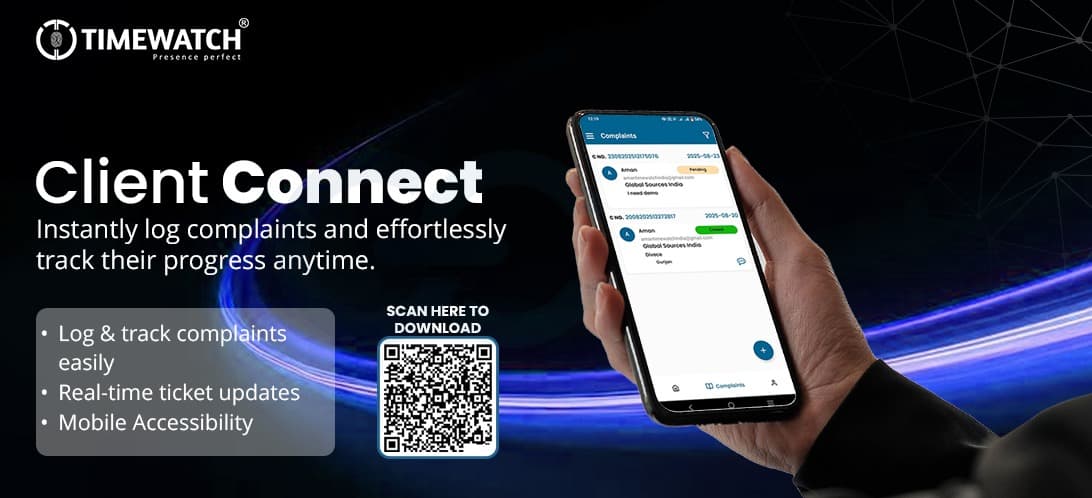
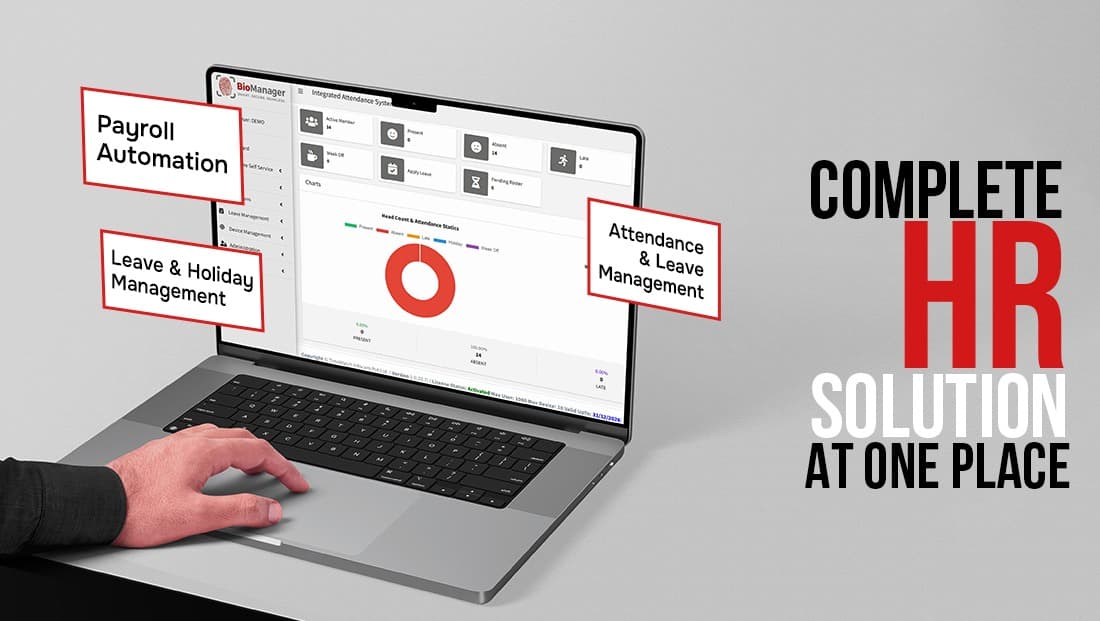
For field and site teams, the TimeWatch Mobile Application provides live face verification with geo fencing mobile punch, and the AI-FACE-T7HD handheld device with GPS and 4G suits construction crews. Everything feeds into BioManager, where missed punch corrections go through an approval flow with a clear record.
Frequently asked questions
Can face recognition be fooled with a photo?
Basic systems without liveness checks can be vulnerable. Terminals with liveness detection are designed to confirm a real person is present, which makes photo based proxies very difficult.
Is fingerprint attendance enough to stop buddy punching?
For most offices, yes, since a fingerprint cannot be handed to a colleague. In manual labour settings, worn fingers can cause failed reads, so face or palm is often better.
How does geo fencing prevent proxy attendance for field staff?
It accepts a mobile punch only inside an approved location. Combined with live face verification, it confirms both identity and place.
Should we keep cards as a backup?
A card or PIN backup is useful for genuine exceptions, but keep it limited and monitored so it does not become the main method again.
What if employees resist biometric attendance?
Explain the purpose, show how data is protected, and point out that it ensures fair treatment for everyone. Clear communication usually resolves most concerns.
Next step
The right method depends on your people, premises and field operations. Talk to TimeWatch to compare proxy resistant options and see face verification in a live demo.