How to Set Clear Attendance Expectations | TimeWatch
Set clear attendance expectations by explaining rules at rollout and onboarding, sending timely reminders and making every manager apply them alike.
You set clear attendance expectations by telling people the rules in plain words, showing them how the system works, reminding them at the right moments and, above all, having every manager apply the rules the same way. A well written policy is only the starting point; expectations become real through how they are communicated and how consistently leaders behave.
Many businesses already have an attendance policy in a file somewhere. Yet late arrivals, missed punches and arguments over salary continue. The gap is rarely the document. It is that employees never fully understood it, managers bend it for favourites, or nobody mentions it again after the first day. This article focuses on that human side: rollout, onboarding, reminders and consistency.
Why do attendance rules fail even when a policy exists?
Look at the common reasons and you will see that most are about communication and behaviour:
- The policy was emailed once and never explained.
- New joiners were handed a thick handbook on day one and never walked through the attendance section.
- Different managers allow different grace periods.
- Rules change, but only some people hear about it.
- Employees cannot see their own attendance until salary day, so they discover problems too late.
- Penalties are applied to some and ignored for others.
When people experience the rules as unclear or unfair, they stop taking them seriously. Clarity and consistency fix most of this.
How should you roll out attendance rules or a new system?
A rollout is your best chance to set the tone. Whether you are introducing a new biometric system, a mobile app or simply tightening existing rules, plan it like a small project.
- Brief managers first. Supervisors must understand the rules and agree to apply them before employees hear about them.
- Hold short team sessions. Explain what is changing, why, and what it means for each person. Use the local language where needed.
- Show, do not just tell. Demonstrate punching, the app, leave requests and regularisation.
- Give a settling in period. Allow a week or two where mistakes are corrected without penalty.
- Share a one page summary. Shift timings, grace period, how to apply leave, what to do if a punch is missed and who to contact.
- Set a clear start date. After it, the rules apply to everyone.
Explain the reasons. Employees accept rules more easily when they understand that accurate attendance protects their salary, overtime and leave.
What should new joiners learn about attendance in their first week?
Onboarding is where habits form. A new employee who understands the system on day one rarely becomes a problem case later. Cover these points in person, not just in a document:
| Topic | What to explain |
|---|---|
| Shift and timings | Start time, end time, breaks, grace period |
| How to punch | Device location, method, what a successful punch looks like |
| The employee app | Viewing attendance, leave balance and request status |
| Leave and out duty | How to apply, who approves, how much notice is expected |
| Missed punches | How to raise a regularisation and by when |
| Late marks and short hours | What counts and how it affects pay |
| Who to ask | Named HR contact and the reporting manager |
Make sure the employee is enrolled on the device before their first shift, so they do not begin their job with a missed punch.
Which reminders actually help?
Reminders work when they are timely and specific, not when they are frequent and vague. Some useful ones:
- A notification when a leave request is approved or rejected.
- A gentle prompt to raise regularisation for a missed punch within the week.
- A note before a holiday about changed timings or roster.
- A monthly message telling employees they can check their attendance before payroll closes.
- A short refresher when rules change, sent to everyone at once.
Avoid public shaming lists or group messages naming late comers. They damage trust and rarely change behaviour. Private, factual conversations work far better.
Why does manager consistency matter so much?
Employees watch what managers do more than what the policy says. If one supervisor ignores lateness for friends and marks others absent, the whole team learns that rules depend on relationships. That breeds resentment and, eventually, attrition.
Help managers stay consistent:
- Give them access to their team’s attendance in real time, so they can act early.
- Agree on standard responses for common situations, such as a first late mark versus repeated lateness.
- Make approvals for leave, out duty and overtime visible, so decisions can be reviewed.
- Review exceptions across teams each month, and discuss any department that looks very different.
- Lead by example. Managers who punch in and follow the rules themselves set the standard.
Consistency also protects the business. Uniform, documented application of attendance rules is fairer to employees and easier to defend if a dispute arises. For questions on disciplinary steps or legal requirements, consult your legal or compliance advisor.
How do you keep expectations clear over time?
Expectations fade without attention. Revisit them at appraisal time, mention attendance in team meetings when there is a reason to, and update your one page summary whenever something changes. Ask employees what confuses them and fix those points. When people can see their own records and know exactly how to raise a correction, most disputes never start.
How TimeWatch can help
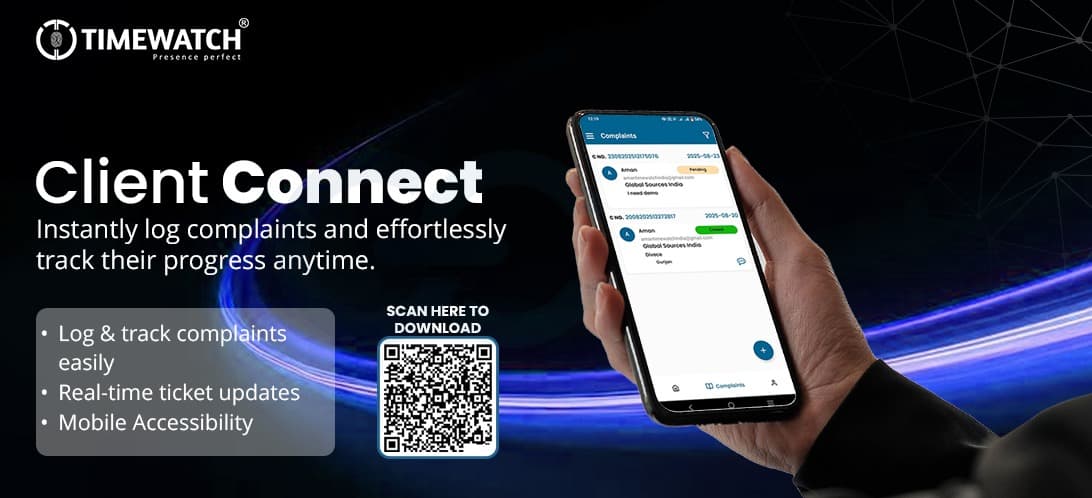
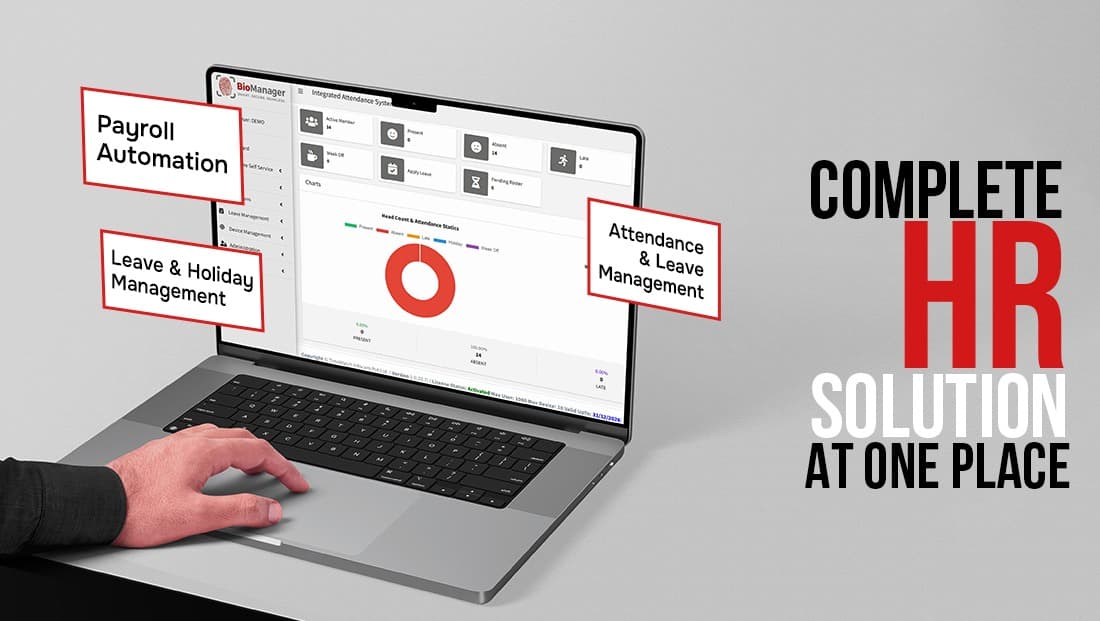
Clear expectations are easier when everyone sees the same data. BioManager, the TimeWatch attendance, access and payroll platform, gives employees an app to view their attendance, apply for leave and out duty and track approvals, with email and app notifications that act as timely reminders. Managers get a web dashboard with daily head count and MIS reports, and multi level approval keeps decisions consistent and visible. Explore our attendance and payroll software.
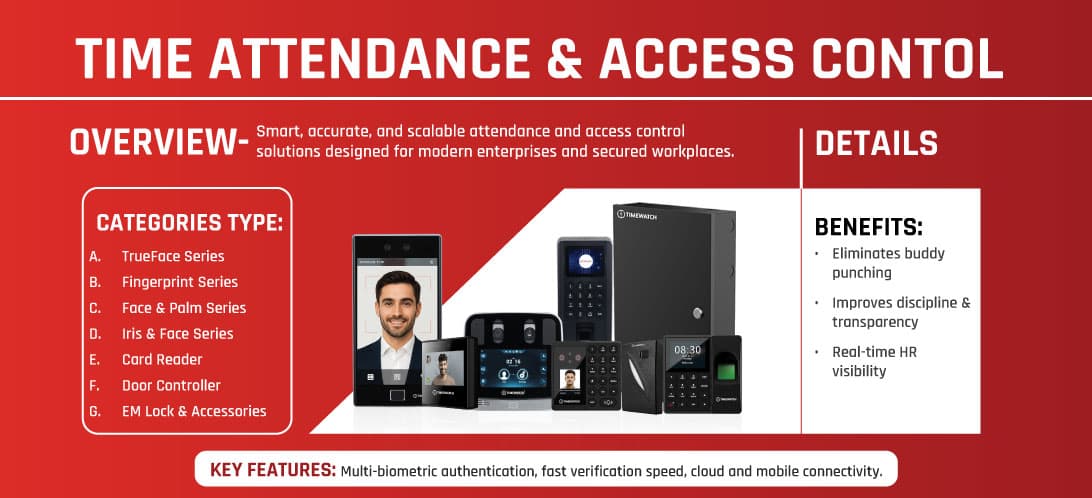
Reliable devices remove the arguments that undermine trust. Our biometric attendance machines, from the Bio-27 for small and mid sized teams to the TrueFace3000 face terminal, give clear confirmation for every punch, so expectations are based on accurate records.
Frequently asked questions
How do I communicate a new attendance rule to employees?
Brief managers first, then explain the change to teams in short sessions with the reason behind it. Share a one page summary and give a clear start date.
What should be included in attendance onboarding?
Cover shift timings, how to punch, how to use the employee app, leave and out duty requests, what to do about missed punches and who to contact for help.
How can we make managers apply attendance rules consistently?
Agree on standard responses, give managers real time access to team data, make approvals visible and review exceptions across teams every month.
Should we send daily reminders about punctuality?
Usually not. Timely, specific reminders and private conversations work better than frequent general messages or public lists.
Does letting employees see their attendance reduce disputes?
Yes. When employees can check their punches and leave balance anytime, they spot and correct problems before payroll, which prevents most salary disputes.
Next step
Clear expectations start with clear information for everyone. Contact TimeWatch to see how our employee app and manager dashboard can support a smooth, fair attendance rollout in your organisation.