Implement Attendance Without Employee Pushback | TimeWatch
A step by step change management plan to roll out a biometric attendance system smoothly, covering communication, consent, privacy, pilots and fair policy.
The surest way to implement an attendance system without pushback is to explain why you are doing it before you install anything, be open about how biometric data will be used and protected, and pilot it with one team before rolling it out to everyone. Most resistance comes from surprise and suspicion, not from the device itself.
Employees often read a new attendance machine as a sign that management does not trust them. If the first they hear of it is a technician drilling a wall bracket at the gate, that suspicion hardens. Handled well, the same system can be welcomed, because it also protects employees from wrong salary deductions and endless arguments about who came in when. Here is a practical plan that works for Indian offices, factories, schools and hospitals.
Why do employees resist new attendance systems?
Before planning the rollout, understand what people are actually worried about. Common concerns include:
- Trust: “Why now? Do they think we are cheating?”
- Privacy: “What happens to my face or fingerprint data? Will it be shared?”
- Fairness: “Will I be penalised for being two minutes late because the bus was delayed?”
- Hygiene and comfort: some people dislike touching a shared reader
- Technology anxiety: older staff or contract workers may worry the machine will not recognise them
Each of these has a clear answer. Your job is to give that answer before people ask, in their language, and in more than one channel.
How should you communicate the reason for the change?
Start with the benefit to employees, not the benefit to management. Accurate attendance means correct salaries, faster overtime payment, fewer disputes over leave and a clear record if someone is wrongly marked absent. If you are replacing a register or card system, mention the problems everyone already knows: missing entries, lost cards, manual corrections that delay salary.
Practical ways to communicate:
- A short meeting by department, led by HR and a senior manager, with time for questions
- A one page note in English and the local language explaining what is changing, when, and why
- A notice board or group message with the rollout timeline
- Supervisors briefed in advance so they can answer questions on the floor
Be honest. If one goal is to stop proxy attendance, say so, and explain that it protects the majority who come on time from carrying the burden of a few.
How do you handle consent and data privacy?
This is where many rollouts go wrong. Biometric data is personal data under India’s Digital Personal Data Protection Act 2023, so consent, purpose limitation and security matter. In plain terms, employees should know what is collected, why, who can see it and how it is protected.
Good practice includes:
- A written notice explaining that biometric data is used only for attendance (and access, if applicable)
- Collecting consent at enrolment and keeping a record of it
- Limiting who can access the attendance software and reviewing those permissions
- Deleting biometric templates when an employee leaves, as per your policy
- Offering an alternative such as a card or PIN for anyone who genuinely cannot use biometrics
It also helps to explain that most devices store a mathematical template, not a photo album of faces. Our guide to face recognition attendance explains how recognition works in simple terms. Confirm your exact obligations with your legal or compliance advisor.
Why should you run a pilot first?
A pilot turns a big change into a small, testable one. Choose one department or one branch for two to four weeks. Run the new system alongside the old method so nobody loses salary over teething issues.
A pilot helps you:
- Find practical problems such as glare at the gate, network drops or long queues at shift change
- Fix shift rules and grace periods before they affect everyone
- Create early supporters who can tell colleagues it works fine
- Gather real feedback to adjust the policy
Pick a pilot group with a supportive supervisor and a mix of staff, including some who are sceptical. If they come round, others usually follow.
How do you train staff and keep the policy fair?
Training should be short and hands on. Show employees how to stand in front of the face terminal or place their finger, what the confirmation sound or screen means, and how to raise a correction request if a punch is missed. For contract labour, a supervisor demonstration at the gate during the first week works better than a classroom session.
Fairness is what sustains acceptance after launch. A few rules make a big difference:
| Policy element | Fair approach |
|---|---|
| Grace period | A reasonable buffer for late arrivals, applied equally |
| Missed punches | A simple correction request with manager approval |
| Late mark rules | Written, shared in advance and applied consistently |
| Data access | Employees can view their own attendance record |
| Exceptions | Documented process for field work, travel and medical cases |
Indian law requires employers to maintain attendance and wage records, for example under the Factories Act 1948 and state Shops and Establishments Acts. A transparent system helps meet those obligations while keeping trust intact.
How TimeWatch can help
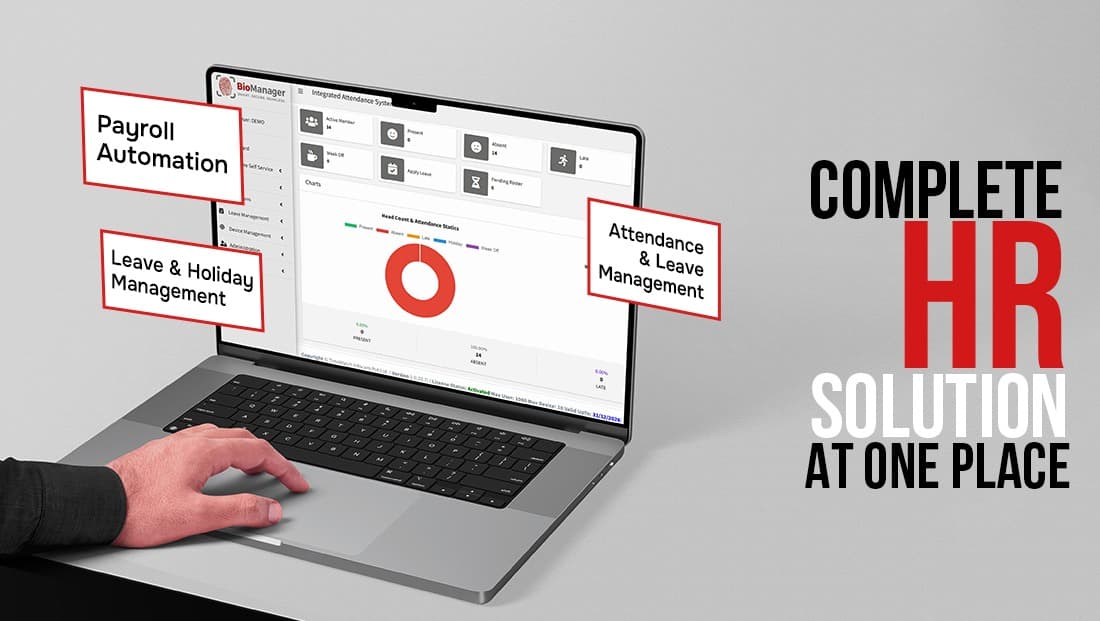
TimeWatch supports smooth rollouts with both technology and people. BioManager, our attendance and payroll software, gives employees a mobile app to view their attendance, raise leave and out duty requests and receive notifications, so the system feels like a service rather than surveillance. Multi level approvals keep corrections fair and recorded.
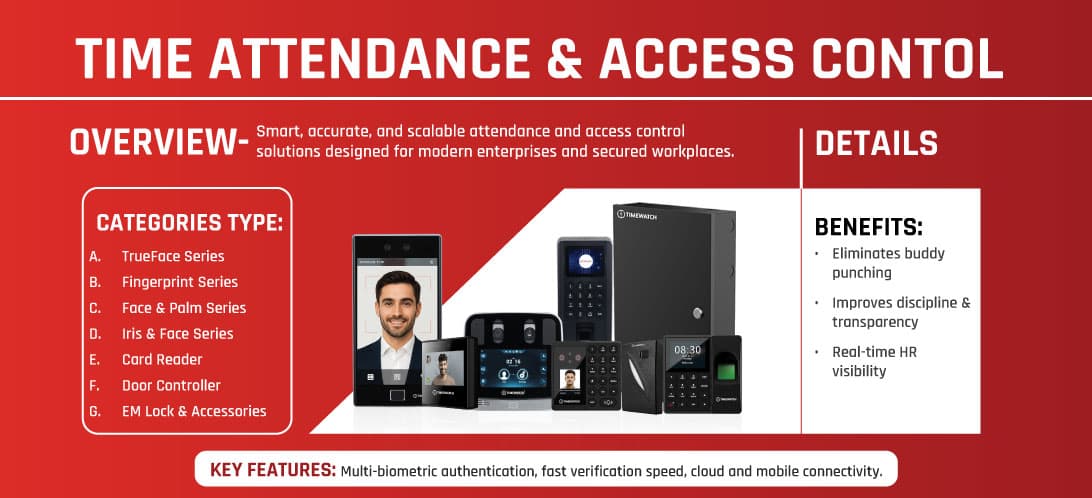
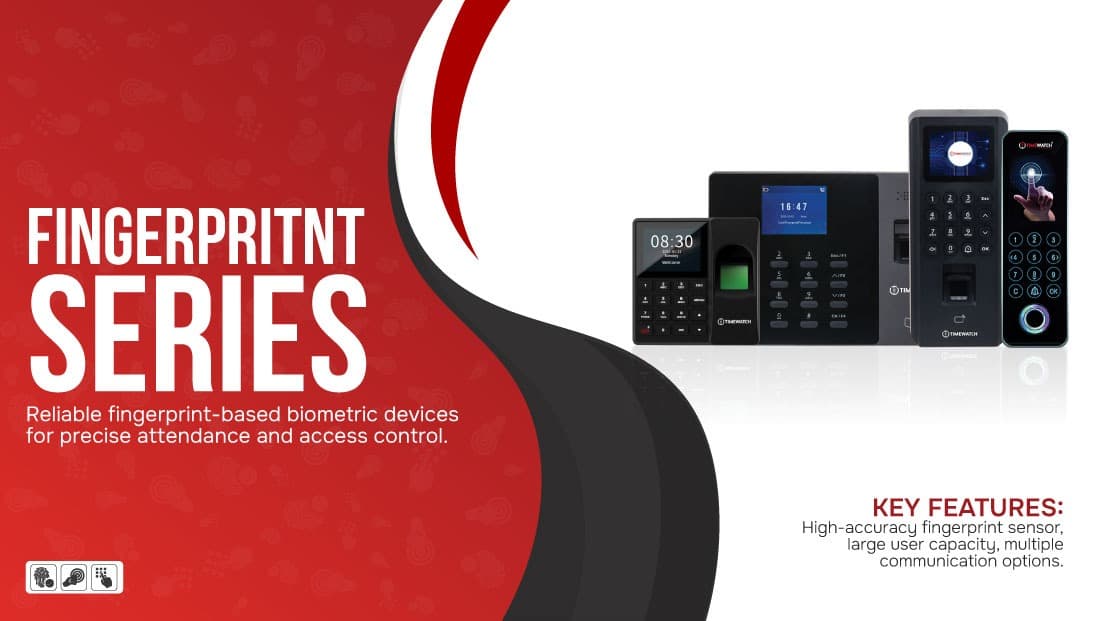
On devices, contactless options such as the TrueFace1000E or the TF-20 touchless face and palm terminal address hygiene concerns, and the Bio-1SE offers face, palm, fingerprint, card and PIN so no employee is left without a way to punch. Our implementation team can help plan your pilot and train staff on site. For more background, see our India guide to biometric attendance.
Frequently asked questions
How long before launch should we tell employees?
Give people a few weeks of notice, with a clear timeline and a chance to ask questions. Last minute announcements create the most resistance.
What if an employee refuses to give biometric data?
Listen to their concern first and explain how the data is protected. Offer an alternative method such as card or PIN where appropriate, and take advice from your legal advisor on your policy.
Should the old attendance method run in parallel?
Yes, during the pilot and the first weeks of rollout. It protects salaries while staff and HR get used to the new system.
Can employees see their own attendance records?
With a mobile app based system, yes. Giving employees visibility reduces disputes and builds trust.
How do we handle contract workers who change often?
Use mobile or on site enrolment so supervisors can add and remove workers quickly, and delete biometric data when they leave.
Next step
A good rollout plan matters as much as the device you choose. Speak with TimeWatch about a pilot at one of your locations, and our team will help you communicate, enrol and train with minimal disruption.