Free vs Paid Attendance Tracking: Hidden Costs | TimeWatch
Free attendance tracking looks cheap, but errors, buddy punching, manual payroll and unclear data ownership add hidden costs. Here is how to compare.
Free attendance tracking costs nothing to start, but it often costs a business in salary errors, buddy punching, hours of manual payroll work and loss of control over its own data. A paid system makes sense once those hidden costs add up to more than the hardware or licence you would have invested in.
That does not mean free tools are always wrong. A five person team with an owner who knows everyone may be perfectly fine with a register or a shared sheet. The trouble starts when a business grows, adds shifts or branches, and keeps using a tool that was never built for it. Here is what to watch for.
What counts as a free attendance tool?
Most businesses using free attendance tracking rely on one of these:
- A paper attendance register signed at the gate
- A shared spreadsheet updated by a supervisor
- A free mobile app with a limited user count or feature set
- A messaging group where staff post “reached office” with a photo
Each feels free because there is no invoice. The cost shows up elsewhere, usually in HR time and payroll mistakes.
Where do errors creep in with spreadsheets and registers?
Manual records depend on someone typing correctly, every day, for every employee. A supervisor who enters 9.15 instead of 9.51 turns a late mark into an on time arrival. A copied formula that skips one row silently underpays someone. Registers get signed in advance or filled in later from memory.
At month end, HR has to total present days, half days, leave and overtime by hand. In a factory running two shifts, that can take days, and every correction means another round of checking. The salary still goes out, but nobody is fully sure it is right, and disputes take longer to settle than the original entry took to make.
Why is buddy punching harder to stop with free tools?
Buddy punching is when one employee marks attendance for another. With a register, a friend signs. With a spreadsheet, a supervisor marks someone present as a favour. With a basic app, a colleague logs in on someone else’s phone.
Biometric verification, whether fingerprint or face, ties the punch to the actual person. Live face verification in a mobile app does the same for field staff. Free tools rarely include these checks, so the business ends up paying for hours that were never worked, and small amounts of proxy attendance add up quietly over a year.
What happens when attendance is not linked to payroll?
This is the biggest hidden cost for most SMEs. If attendance lives in one place and salary in another, someone has to move the numbers across every month: payable days, loss of pay, overtime hours, leave balances and late deductions.
Every manual transfer is a chance for a mistake. It also means payroll cannot run until attendance is “final”, which squeezes HR into the last few days of the month. When the two are integrated, attendance rules feed directly into salary calculation, and HR reviews exceptions instead of retyping data.
There is a compliance angle too. Indian law requires employers to maintain attendance and wage records, for example under the Factories Act 1948 and state Shops and Establishments Acts, and India’s four Labour Codes consolidate many of the older labour laws. Records that are complete, consistent and easy to retrieve make inspections and audits far less stressful. Confirm your exact obligations with your legal or compliance advisor.
Who owns your data in a free app?
When a tool is free, it is worth asking how the provider sustains it. Read the terms carefully and check:
- Where employee data, including face images or location, is stored
- Whether you can export your full history at any time
- What happens to your records if the free plan ends or the service shuts down
- Whether the provider uses your data for any purpose beyond attendance
Biometric and location data are personal data under the Digital Personal Data Protection Act 2023. As the employer, you remain responsible for collecting it with consent, using it for a clear purpose and keeping it secure, even if a free tool holds it. A paid system with clear data ownership and export options reduces that risk.
How do you compare the real cost of free and paid?
| Cost factor | Free tools | Paid attendance system |
|---|---|---|
| Upfront spend | None | Hardware or licence |
| HR time on monthly calculation | High | Low, exceptions only |
| Salary errors and disputes | Frequent | Rare |
| Proxy attendance control | Weak | Strong with biometrics |
| Payroll link | Manual | Automatic |
| Data ownership and export | Often unclear | Defined in the agreement |
| Support | Usually none | Implementation and helpdesk |
A simple test helps. Estimate the hours HR spends each month on attendance and corrections, add the cost of salary errors and disputes, and compare that with what a proper system would involve. Once a business crosses a couple of dozen employees, the comparison usually stops being close.
How TimeWatch can help
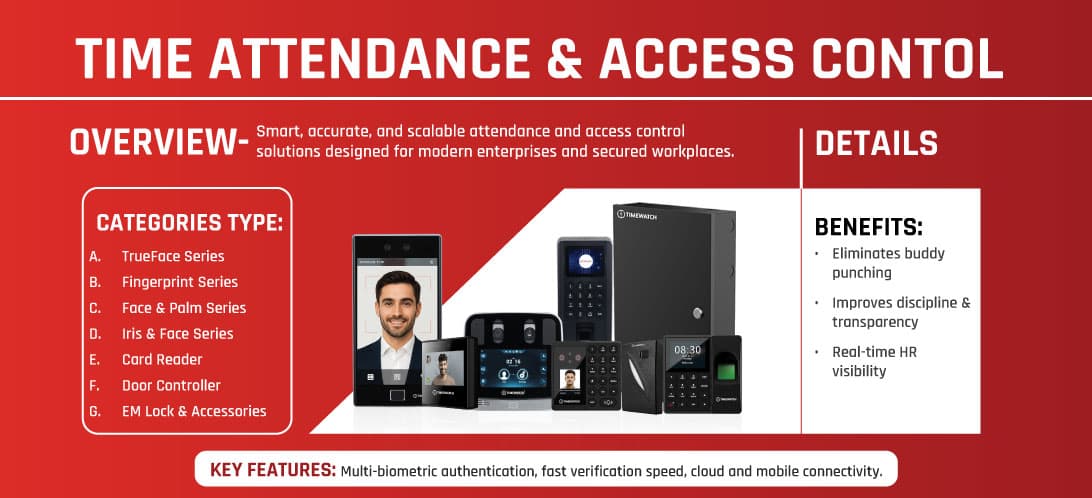
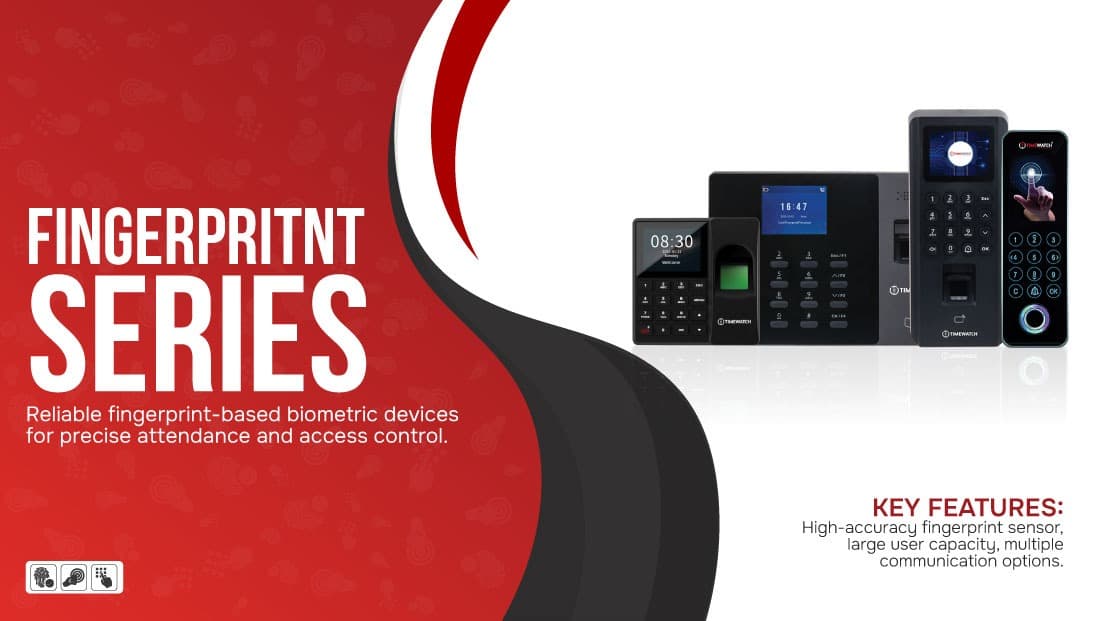
TimeWatch gives growing businesses a straightforward step up from free tools. Entry level biometric attendance machines like the Bio-20 and Bio-27 stop buddy punching at the door, and the compact TrueFace1000 series is a touchless face attendance machine for small sites.
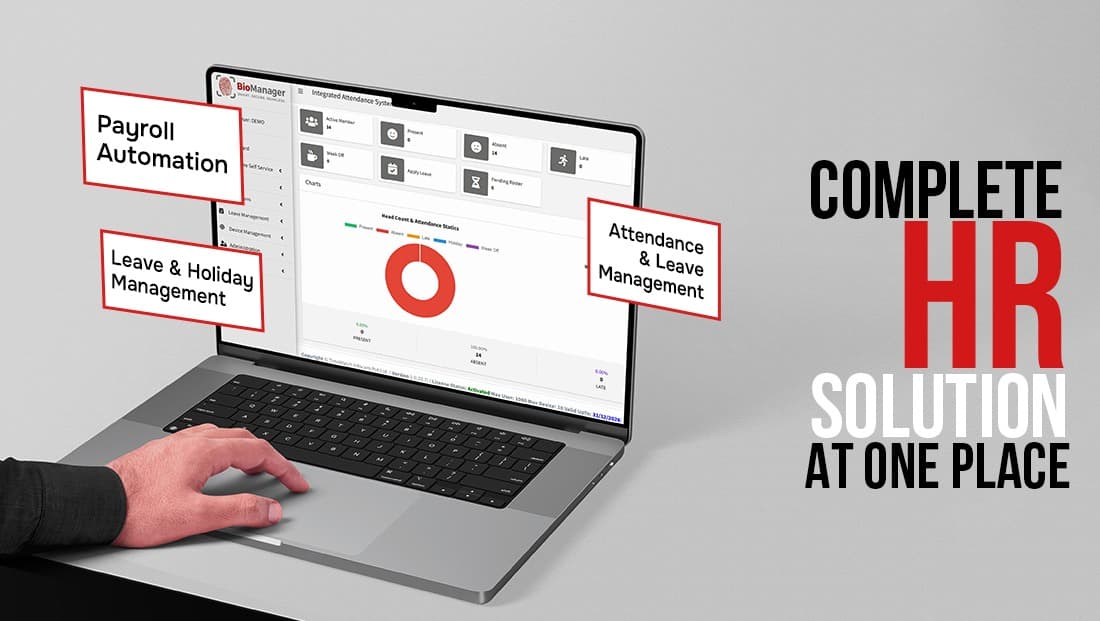
BioManager and TimeWatch Payroll Management, part of our attendance and payroll software, turn punches directly into salary with overtime, leave, loan and advance handling, PDF salary slips and audit logs. Your data stays yours, and month end shrinks to a review.
Frequently asked questions
Is free attendance software good enough for a small business?
For a very small team with simple timings, it can be. Once you have shifts, overtime, branches or a couple of dozen people, the hidden costs usually outweigh the savings.
What is the biggest hidden cost of free attendance tracking?
For most businesses it is HR time spent calculating and correcting attendance before payroll, followed by salary errors and proxy attendance.
Can I move my old spreadsheet data into a paid system?
Usually, yes. Employee master data and opening leave balances can be imported during setup, so you do not start from zero.
Are paid attendance systems only for large companies?
No. Compact devices and cloud software are designed for small and mid sized businesses too.
Next step
Curious how much time your HR team could save? Talk to TimeWatch and we will walk you through a demo using your own shift and payroll rules.