How Payroll Integration Saves HR Time | TimeWatch
Automated payroll integration turns a week of month end attendance work into a short review. See the HR workflow before and after linking pay.
Automated payroll integration saves HR time by removing the collect, compile and retype cycle at month end: attendance, leave and overtime flow straight from the attendance system into payroll, so the team reviews exceptions instead of building salary data from scratch. For many small HR teams, that turns the last week of every month from a scramble into a routine.
If you lead HR in a growing company, you probably know the pattern. The first three weeks are about hiring, grievances and training. Then the last week disappears into attendance sheets, leave files, branch emails and salary calculations. This article looks at where that time goes and how integration gives it back.
Where does HR time actually go at month end?
Ask any HR executive in an Indian SME to list their month end tasks, and the list usually looks like this:
- Chasing branch managers and supervisors for attendance sheets.
- Exporting data from attendance devices and cleaning it in spreadsheets.
- Matching leave applications, often from email, WhatsApp and paper forms.
- Calculating overtime and late marks employee by employee.
- Entering final figures into a payroll sheet or separate software.
- Preparing and distributing salary slips.
- Answering employee queries about why their pay looks different.
Each step is small, but together they consume days of skilled HR time.
What does the workflow look like before and after integration?
The easiest way to see the time saving is side by side:
| Task | Before integration | After integration |
|---|---|---|
| Collecting attendance | Emails and calls to each branch | Devices sync automatically to one system |
| Cleaning data | Manual spreadsheet work | Shift rules applied by the software |
| Leave matching | Cross checking paper and messages | Leave approved inside the system, already reflected |
| Overtime calculation | Employee by employee by hand | Calculated from punches against shift rules |
| Payroll input | Typed into the payroll file | Read directly from attendance |
| Salary slips | Printed, signed and handed out | Generated and sent by PDF and email |
| Employee queries | HR searches old records | Employee checks attendance and slips in the app |
The work does not vanish completely. It changes shape. Instead of doing everything, HR checks a short list of exceptions and signs off.
Which steps save the most time?
Automatic data collection. For multi location businesses, simply not having to chase branches saves a surprising number of hours. Devices in the Pune plant and the Bengaluru office sync to the same platform, and HR starts the month end with complete data.
Approvals inside the system. When leave, out duty and missed punch requests are raised and approved in the app, HR no longer reconciles them separately. Multi level approval means the right manager has already reviewed each request.
One click salary processing. With attendance, leave and holidays already integrated, the payroll module calculates salaries, overtime, loan and advance deductions together. HR runs the process, reviews outliers and finalises.
Digital salary slips. Emailing slips as PDFs removes printing, signing and distributing, which is especially time consuming when staff are spread across sites.
Self service. When employees can see their own attendance and leave balance, a large share of “why was I marked absent” questions never reach HR.
What can HR do with the time saved?
This is the real benefit, and it is easy to overlook. The time freed at month end can go into:
- Faster onboarding of new joiners and smoother exits.
- Training, engagement and retention programmes.
- Better analysis of absenteeism trends by department or shift.
- Handling grievances properly instead of rushing them.
- Preparing records for audits and inspections without last minute panic.
For a lean HR team, these are the tasks that usually get postponed.
What do you need in place for integration to work smoothly?
Integration saves time only when the foundation is right. A few things make the difference:
- One employee master shared by attendance and payroll, with the same employee codes.
- Clear written policies for shifts, overtime, leave and holidays, configured exactly in the software.
- Reliable devices at every location, with backup power for areas that face frequent cuts.
- Defined approvers for each department, so requests do not sit pending.
- A short monthly review routine, such as checking the exception report a few days before payroll cut off.
With these in place, month end becomes predictable. Without them, software only moves the confusion to a new screen.
Is integration only worth it for large companies?
No. Smaller companies often feel the benefit sooner because they have fewer HR people. A business with 60 staff and one HR executive gains as much proportionally as a company with 2,000 staff and a full team. The cost factors to consider are number of employees, number of locations, whether you need mobile attendance for field staff, and whether you prefer cloud or on premise software.
How TimeWatch can help
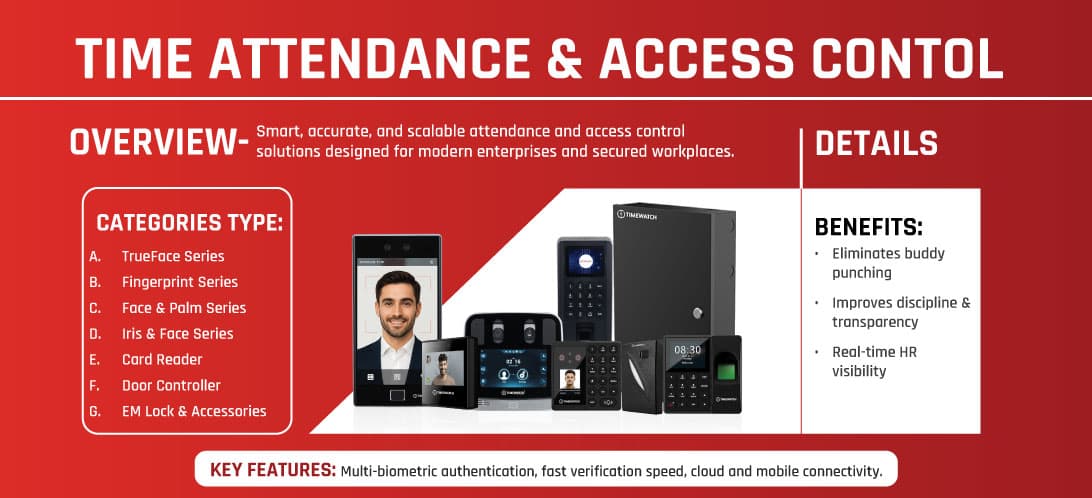
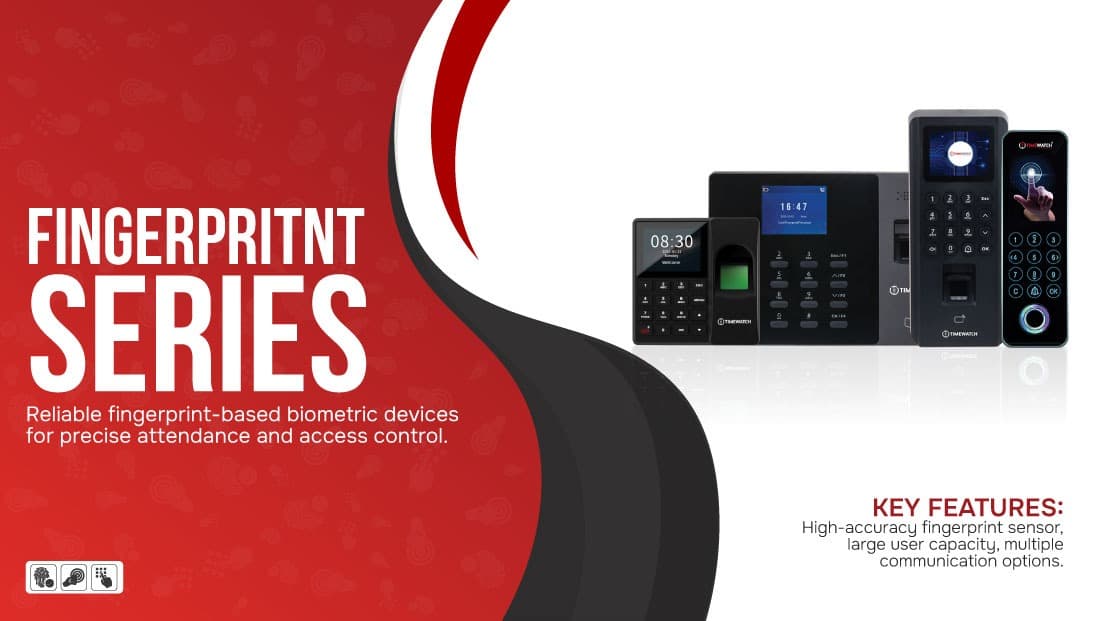
TimeWatch connects attendance capture and payroll in one ecosystem. Our biometric attendance machines, from the Bio-4 fingerprint and card device to the TrueFace6000 face terminal with PoE, feed punches into BioManager with real time sync across devices and locations.
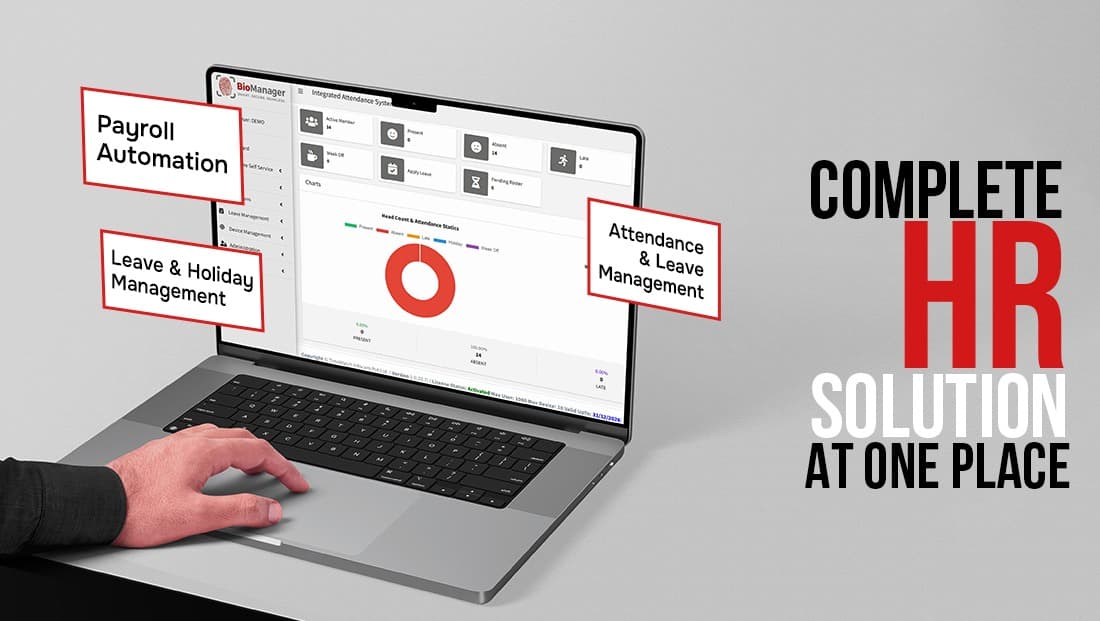
The TimeWatch Payroll Management module, part of our cloud attendance and payroll software, handles automated salary calculation with overtime, leave and holiday integration, tax, loan and advance management, monthly and daily wage payroll, and salary slips by PDF and email, with audit logs for every change. BioManager’s mobile app lets employees raise leave and out duty requests, so approvals reach payroll without HR stepping in. For businesses that prefer to keep everything on site, iAS Desktop offers on premise attendance with automated salary and basic payroll.
Frequently asked questions
How much time can payroll integration save?
It depends on your headcount, number of locations and current process. The biggest savings come from eliminating data collection from branches and manual retyping into payroll.
Do we need to replace our attendance devices to integrate payroll?
Not always. It depends on whether your current devices can connect to the software. The TimeWatch team can check compatibility during a demo.
Can employees download their own salary slips?
Yes. Salary slips can be sent by email as PDFs, which removes printing and manual distribution.
Will integration work for staff in different states with different holidays?
Yes. Holiday lists and weekly offs can be set per branch, so each location follows its own calendar.
What if a manager forgets to approve leave before payroll?
Pending requests appear in reports and notifications. HR can follow up before cut off, and the approval flow can include a backup approver.
Next step
If your HR team spends the last week of every month on spreadsheets, a short demo can show what that week could look like instead. Book a walkthrough with TimeWatch using your own shift and leave rules.