Attendance Tracking Compliance in India | TimeWatch
A plain guide to attendance tracking compliance in India covering labour law records, the Labour Codes, the DPDP Act 2023 and practical best practices.
Attendance tracking compliance in India rests on two ideas: employers must maintain proper attendance and wage records under labour laws, and any biometric data used to capture attendance must be handled as personal data under the Digital Personal Data Protection Act 2023. Getting both right protects your business during inspections and builds trust with employees.
This guide gives a general overview, not legal advice. Labour law in India operates at both central and state level, and requirements can differ by industry, location and headcount. Always confirm specifics for your establishment with your legal or compliance advisor.
Which laws require employers to keep attendance records?
Indian law has long required employers to maintain records of who worked, when, and what they were paid. Two familiar examples:
- The Factories Act 1948 requires factories to maintain records relating to workers, including attendance and working hours.
- State Shops and Establishments Acts apply to shops, offices, retail outlets, hotels and similar establishments, and generally require registers or records of employees, working hours and wages. Each state has its own Act and rules.
Alongside these, wage related laws expect employers to maintain wage records that match attendance. In practice, attendance data feeds directly into salary, overtime and leave, so the two sets of records need to agree with each other.
How do the Labour Codes change things?
India has consolidated many older labour laws into four Labour Codes, covering wages, industrial relations, social security, and occupational safety, health and working conditions. The aim is to simplify and unify compliance across a large number of earlier statutes.
For HR teams, the practical message is that record keeping obligations remain important, and the format and specific requirements may be governed by the Codes and the rules notified under them by central and state governments. Because this area continues to evolve, rely on your legal or compliance advisor for the exact registers and formats that apply to you, rather than older templates found online.
What does the DPDP Act 2023 mean for biometric attendance?
Face, fingerprint, palm and iris templates identify a specific person, so they are personal data under the Digital Personal Data Protection Act 2023. Location data from mobile attendance apps is personal data too. The Act’s general principles translate into clear expectations:
| Principle | What it means for attendance systems |
|---|---|
| Notice and consent | Tell employees what data is collected, why, and how it will be used, and obtain consent where required |
| Purpose limitation | Use biometric and location data only for attendance, payroll, access and safety |
| Data minimisation | Collect only the methods and fields you genuinely need |
| Security safeguards | Restrict access, protect devices and software, and use secure storage |
| Retention and deletion | Remove data of employees who leave once it is no longer needed |
| Accountability | Be able to show how data is handled if an employee or authority asks |
Specific obligations depend on your organisation and on rules made under the Act. Confirm them with your legal or compliance advisor before rolling out biometric attendance.
What are the best practices for compliant attendance tracking?
Beyond the law, a few habits make attendance tracking both compliant and fair:
- Write an attendance policy. Cover shift timings, grace periods, late marks, half days, overtime, leave and missed punch corrections. Share it with every employee.
- Use identity based capture. Biometric or face based punching reduces proxy attendance and gives a reliable record.
- Keep attendance and wage records linked. When attendance feeds payroll directly, records stay consistent.
- Maintain an audit trail. Every correction should show who requested it, who approved it and when.
- Take informed consent for biometrics. Use a simple written notice in a language employees understand.
- Limit access by role. Supervisors see their teams, HR sees what payroll needs, and very few people have admin rights.
- Back up your data. Whether on cloud or desktop, make sure records survive a hardware failure.
- Cover contract labour. Track attendance of contract workers on your premises too, since disputes with contractors often hinge on man days.
- Remove leavers promptly. Delete biometric templates of employees who exit, in line with your retention policy.
- Review periodically. Check policy, access rights and records at least once a year with your advisor.
What common compliance gaps should you avoid?
Some mistakes come up repeatedly in Indian SMEs:
- Running attendance on paper at one branch and digitally at another, so records are inconsistent.
- Approving leave on chat apps, leaving no formal record.
- Overtime worked but not recorded, which causes disputes later.
- Biometric devices installed without any notice to employees.
- Former employees still enrolled on devices months after leaving.
- No backup, so a failed computer wipes out a year of records.
Each of these is easy to fix with a clear process and the right software.
How TimeWatch can help
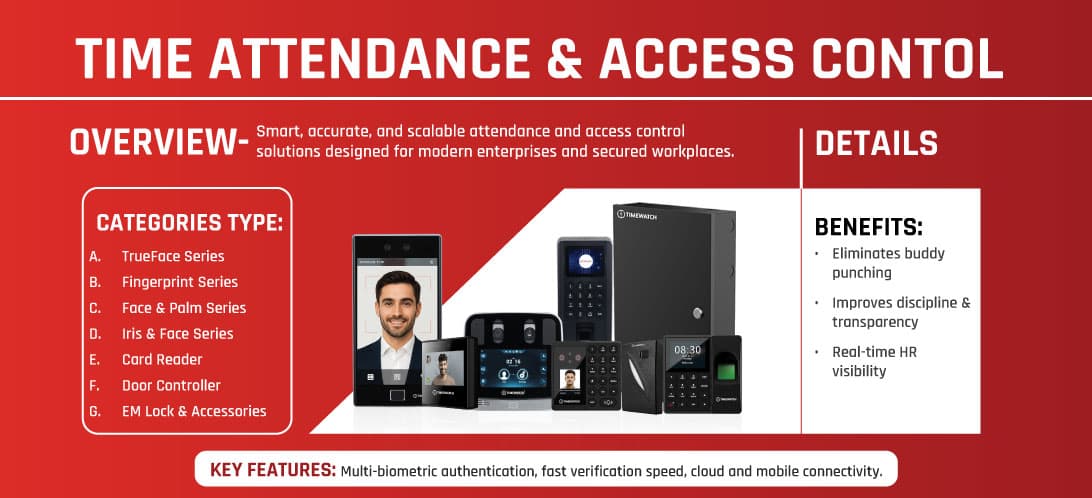
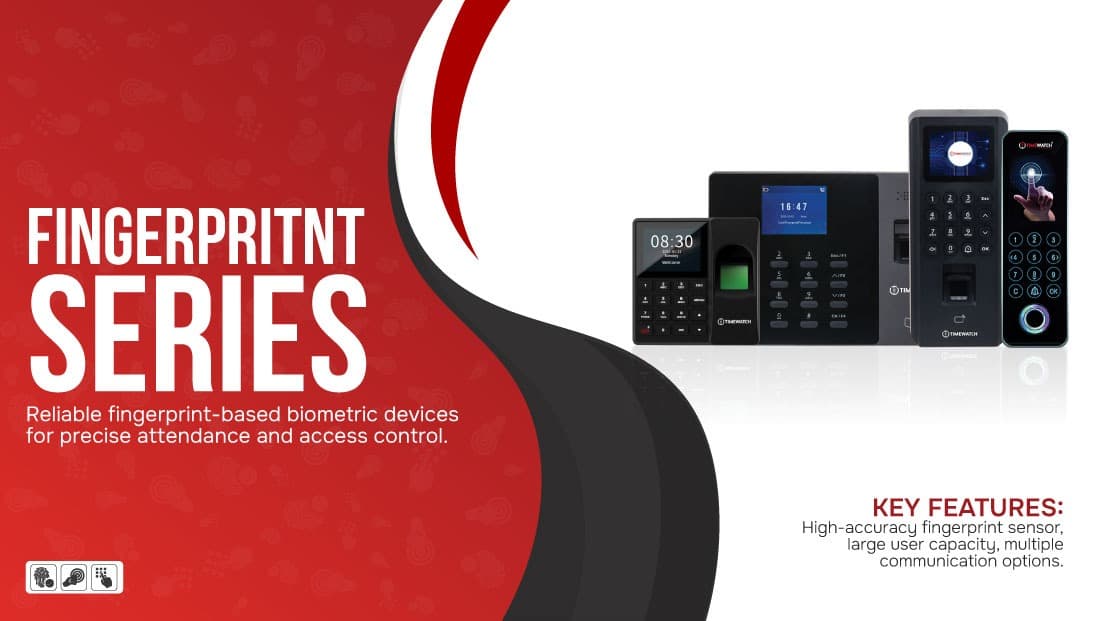
TimeWatch helps businesses build a dependable record trail from the punch to the payslip. Our biometric attendance machines range from the Bio-20 fingerprint device for small offices to the TrueFaceT50-IND industrial face terminal for factories, and our India guide to biometric attendance explains how to choose.
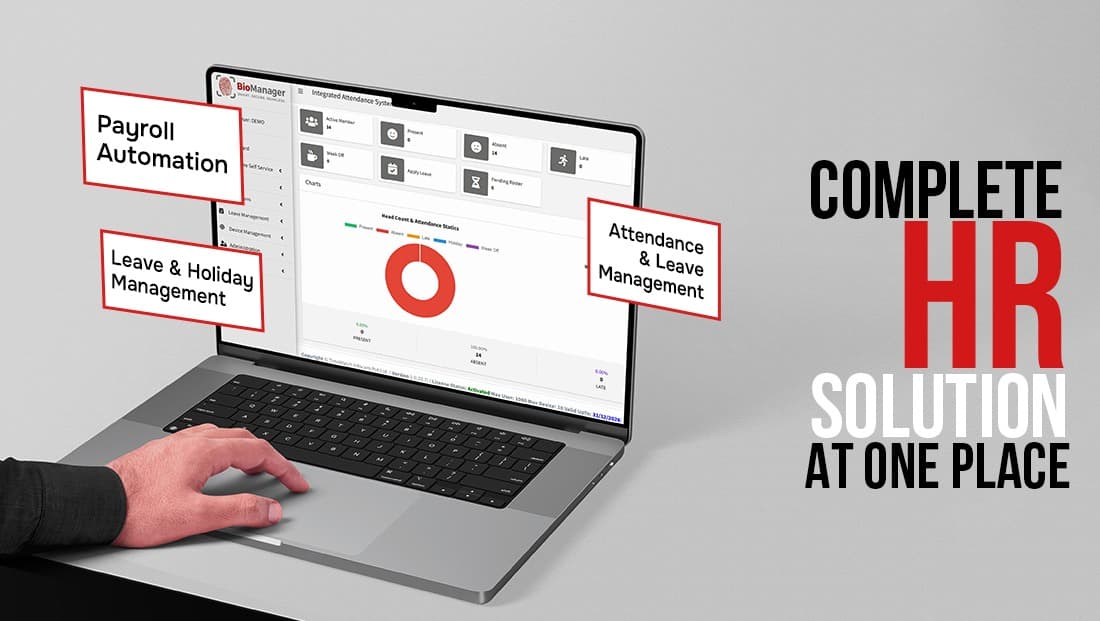
BioManager and TimeWatch Payroll Management, part of our attendance and payroll software, link attendance, leave, overtime and salary in one system, with multi level leave approval, audit logs, monthly and daily wage payroll, and MIS reports that help HR prepare records. For single site businesses, iAS Desktop provides on premise attendance with leave management and basic payroll.
Frequently asked questions
Is biometric attendance mandatory in India?
Indian law requires attendance and wage records to be maintained, but it does not generally require a specific method. Biometric systems are a popular way to keep accurate records. Confirm sector specific rules with your advisor.
Do we need employee consent for fingerprint or face attendance?
Biometric data is personal data under the DPDP Act 2023, so clear notice and consent are important. Your legal or compliance advisor can confirm the exact process.
Are digital attendance records acceptable instead of paper registers?
Many businesses maintain records digitally. Whether a particular format is accepted for your establishment depends on applicable laws and rules, so check with your compliance advisor.
How long should attendance records be kept?
Retention periods depend on the laws that apply to your business. Your advisor can confirm suitable periods for attendance and wage records.
Do we need to track attendance of contract workers?
Tracking contract labour on your premises is good practice and helps with contractor billing and disputes. Confirm your specific obligations as a principal employer with your advisor.
Next step
Compliance is easier when your records are accurate from the first punch. Speak with TimeWatch about a setup that keeps attendance, leave and payroll records consistent across your locations.