How to Manage Remote Work Hours | TimeWatch
Attendance systems help manage remote work hours by recording verified check ins, approving out duty and overtime, and giving managers a daily view.
Yes, an attendance system can help you manage remote work hours, as long as you use it to set clear rules for check in, check out, out duty and overtime, and not just to collect punches. A mobile app with face verification and location records when remote staff start and finish, while approval workflows make sure extra hours and outside work are agreed before they reach payroll.
This article assumes you have already chosen a mobile or cloud attendance system for your remote, hybrid or field employees. The harder part comes next: running it day to day so hours are fair, overtime is controlled and nobody feels watched for no reason.
What does “managing remote hours” really mean?
For an office team, the building does much of the work. People arrive, stay and leave at visible times. Remote work removes that structure, so the system and your rules must replace it. In practice, managing remote hours covers:
- Start and end of day: a verified check in and check out from the app.
- Expected hours: a clear shift or daily hour target for each role.
- Out duty: client visits, site work or travel recorded and approved.
- Overtime: extra hours requested, approved and paid correctly.
- Breaks and availability: agreed windows when people should be reachable.
- Exceptions: missed check ins, network problems and changed schedules handled through regularisation.
How do you set up working hours for remote staff?
Start by deciding what you actually need to track. A sales executive on the road, a support agent working from home and an engineer at a client site have very different days. Group roles and define rules for each.
| Role type | Typical rule | What the system records |
|---|---|---|
| Work from home staff | Fixed shift with grace period | Check in and check out with face verification |
| Field sales | Day starts at first visit | Check in location, out duty entries |
| Site engineers | Hours at the assigned site | Geo fenced check in at the site |
| Hybrid staff | Office days plus home days | Device punch on office days, app on others |
Assign the right shift in the software so late marking, short hours and overtime are calculated against the correct expectation. Grace periods should match what you would accept in the office, so remote staff are not held to a stricter standard.
How should out duty be handled for remote and field employees?
Out duty is where many remote setups go wrong. An employee spends the morning at a client office, forgets to mark it, and later shows up as short on hours. Or the opposite happens, and out duty becomes a loose label nobody checks.
A good process is simple. The employee raises an out duty request in the app with the date, time and reason. The manager approves it, ideally before or on the same day. The approved request then counts towards working hours. For field teams, check in location and route tracking provide supporting context without asking people to send photos or messages all day.
Encourage employees to raise out duty in advance where possible, and set a short window, such as within the same week, for anything raised later. This keeps records current and stops a pile of requests landing at month end.
How do you control overtime when you cannot see people working?
Overtime is the most sensitive part of remote hours. Some employees quietly work late every night and never claim it, which leads to burnout. Others log long hours that are hard to verify. Both hurt the business.
A few practical rules help:
- Pre approval: overtime must be requested and approved, except in genuine emergencies.
- Clear calculation: overtime is calculated from verified check in and check out against the assigned shift.
- Caps and alerts: managers review anyone exceeding agreed limits in a week or month.
- Link to payroll: approved overtime flows directly into salary, so there is no separate claim process.
- Regular review: look at overtime reports by team each month to spot overload.
This turns overtime from a grey area into a normal, visible process. It also protects employees who are being overworked, because their hours become visible to the manager.
How do you keep it fair and avoid micromanagement?
Remote staff often worry that tracking means constant surveillance. Be clear about what the system records and why. Location is captured at check in and check out or during out duty, for attendance purposes, not to watch someone all day at home. Explain this in writing and stick to it.
Location and face data are personal data under the Digital Personal Data Protection Act 2023, so get consent, use the data only for the stated purpose, restrict access and keep it secure. Confirm your approach with your legal or compliance advisor.
Managers should focus on outcomes and use attendance data to support conversations, not replace them. A missed check in is usually a network issue or a busy morning, so a quick regularisation request should fix it without drama.
How TimeWatch can help
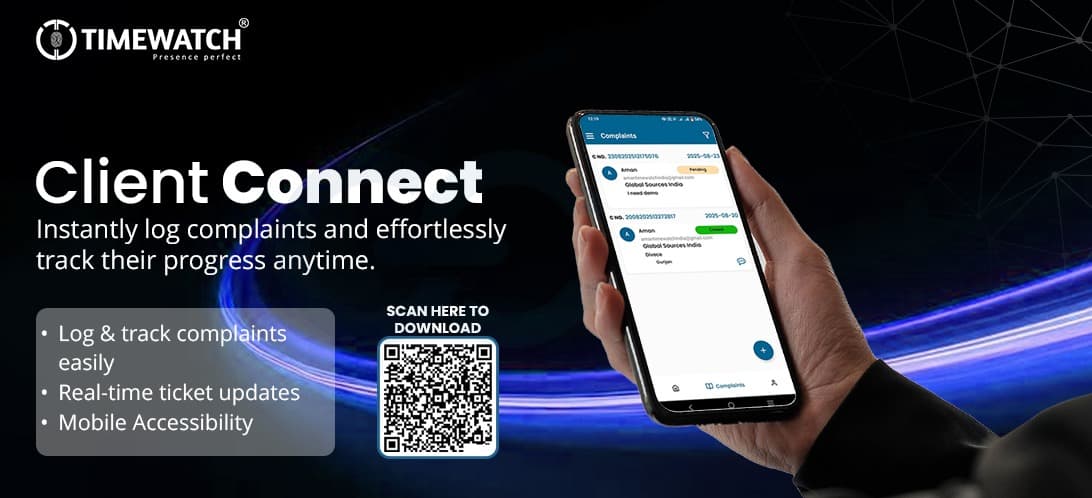
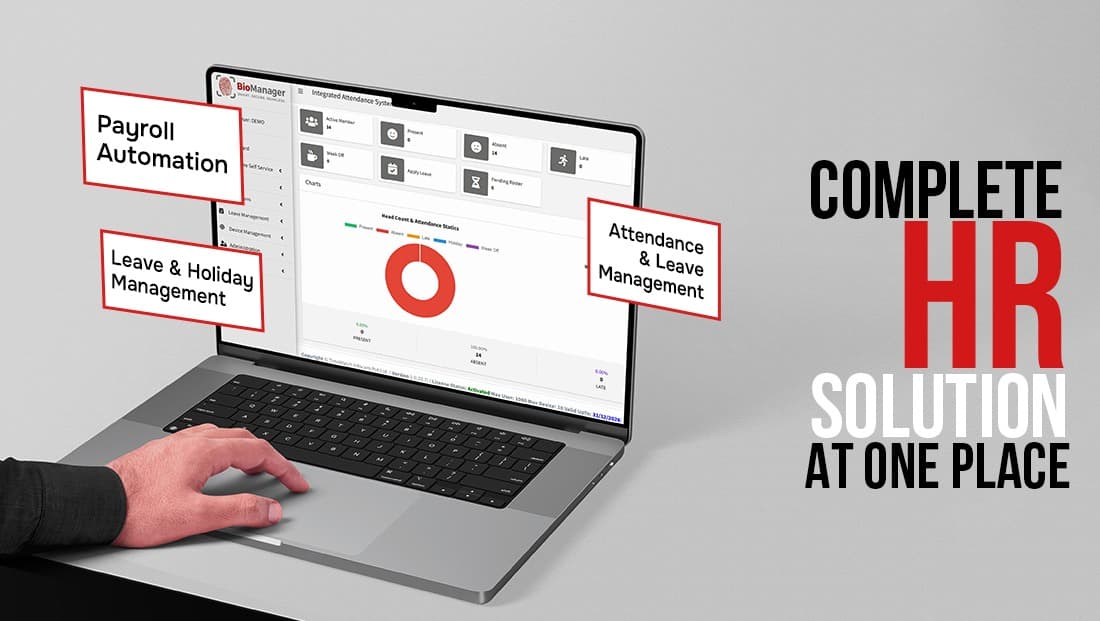
The TimeWatch Mobile Application gives remote and field employees live face verification, check in location and time, and geo fencing mobile punch for assigned sites. BioManager adds leave and out duty requests, multi level approval, GPS and route tracking, and email and app notifications, so managers can approve requests from anywhere. Teams that spend their day on the move can use our field staff tracking solution.
All of this connects to Payroll Management in our attendance and payroll software, where approved overtime, out duty and leave are included in salary calculation automatically, with salary slips sent by PDF and email.
Frequently asked questions
How do remote employees mark attendance?
They check in and check out from a mobile app, usually with live face verification and location. For site based roles, geo fencing can limit check in to an approved area.
What is out duty in attendance?
Out duty is time spent working outside the usual location, such as client visits or travel. The employee requests it, the manager approves it, and it counts as working time.
How can we stop unapproved overtime for remote staff?
Require overtime requests to be approved in the system, and calculate overtime only from verified check in and check out against the assigned shift. Review overtime reports monthly.
Will employees see this as surveillance?
Not if you explain clearly what is recorded and why. Capture location only for attendance events and out duty, take consent, and keep the data secure.
Can hybrid staff use both a device and the app?
Yes. They can punch on the office device on office days and use the app on remote days, with all records combined in one system.
Next step
Remote work runs smoothly when hours, out duty and overtime follow clear, shared rules. Speak with TimeWatch to see how BioManager and the TimeWatch Mobile Application can support your remote and field teams.