Multiple Punch Types in Attendance Systems | TimeWatch
Face, fingerprint, card, PIN, QR and mobile punch each suit different workers. See why mixed workforces need an attendance system with many punch types.
For most Indian businesses with a mixed workforce, yes. An attendance system that supports multiple punch types, such as face, fingerprint, card, PIN, QR and mobile, lets every employee mark attendance reliably, whether they sit at a desk, work on a shop floor or spend the day at client sites. A single method usually works well for one group and poorly for another.
If your company has only office staff in one building, one good biometric method may be all you need. But the moment you add a factory unit, contract labour, a field sales team or a branch in a smaller town, the case for a multiple punch types attendance system becomes strong. Let us look at why.
What punch types are available today?
Each method has its own purpose. A quick overview:
- Face recognition: touchless and fast, works for large groups and is hard to proxy.
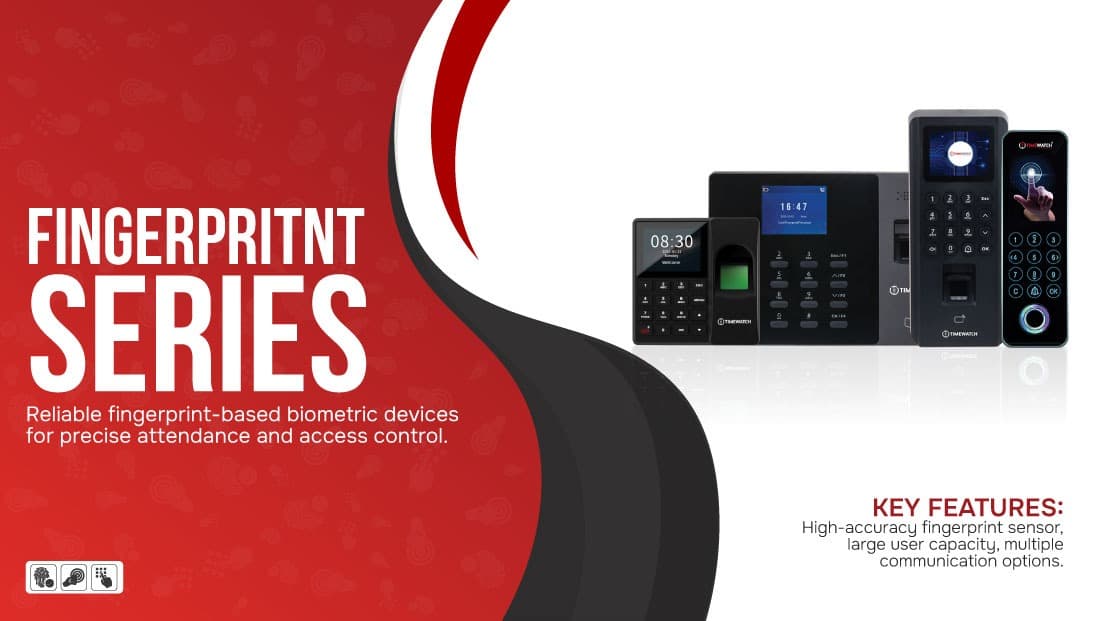
- Fingerprint: familiar, reliable for office and retail staff, and suitable for smaller budgets.
- Palm: useful where fingerprints are worn, such as among manual workers.
- Card (RFID): quick tap, handy for visitors, temporary staff or as a backup.
- PIN: simple fallback when other methods fail for a person on a given day.
- QR code: useful for quick, temporary or event based check ins.
- Mobile app: for field staff, with face verification and location capture.
No single method is perfect for everyone. That is the whole argument for flexibility.
Why does a mixed workforce need more than one method?
Think about a typical Indian manufacturer with a head office, a plant and a sales team:
| Employee group | Challenge with a single method | Better fit |
|---|---|---|
| Office staff | Very few challenges | Face or fingerprint |
| Shop floor workers | Worn, oily or cut fingers fail fingerprint reads | Face, palm, or face plus card |
| Contract labour | High turnover, quick onboarding needed | Face or card, enrolled quickly |
| Visitors and trainees | Short stay, biometric enrolment not worth it | Card, PIN or QR |
| Field sales and service | Never at the office device | Mobile app with face verification and geo fencing |
| Construction crews | Remote site, no fixed power or network | Handheld device or mobile punch |
When a system offers only one method, the people it does not suit fall back to registers or manual corrections. That brings back the errors and proxy attendance you wanted to remove in the first place.
Does offering more options weaken security?
It can, if not managed carefully. The goal is not to let everyone choose whatever is easiest. It is to assign the right primary method to each group and keep backups controlled.
A sensible approach looks like this:
- Set a primary biometric method for each group, such as face for the plant and fingerprint for the office.
- Allow a backup method such as card or PIN only for specific employees or situations.
- Use combined verification in sensitive areas, for example face plus card for a store room.
- Monitor backup usage in reports, so a pattern of PIN punches by one team gets noticed.
Handled this way, multiple punch types improve both reliability and security rather than trading one for the other.
What about accessibility and inclusion?
This point is often missed. Some employees have injuries, skin conditions or disabilities that make one method difficult. Older workers may find touchscreens confusing at first. Workers in food processing or healthcare may need touchless options for hygiene. A device that supports more than one method means nobody is left struggling at the gate every morning, and HR does not have to create special manual processes for a few people.
How do multiple punch types fit into one software?
The important part is that every method feeds the same attendance record. Whether an employee punches with face at the gate, fingerprint at a branch or mobile app from a client site, the software should treat it as one day of attendance under the same shift, leave and payroll rules.
When evaluating, check that:
- All devices and the mobile app sync to one central dashboard.
- Reports show which punch type was used, for audit purposes.
- Shift and overtime rules apply equally across methods.
- Field staff punches carry location and time.
- One employee code links all methods for a person.
Remember too that face, fingerprint, palm and iris data are personal data under the Digital Personal Data Protection Act 2023. Collect only the methods you need for each group, explain why, and confirm your practice with your legal or compliance advisor.
When is a single method enough?
To be fair, not every business needs this flexibility. A small office of 25 staff with no field team can run happily on a fingerprint device with PIN backup. Adding methods you will never use only adds enrolment work. Start from your workforce mix and choose the minimum set that covers everyone reliably.
How TimeWatch can help
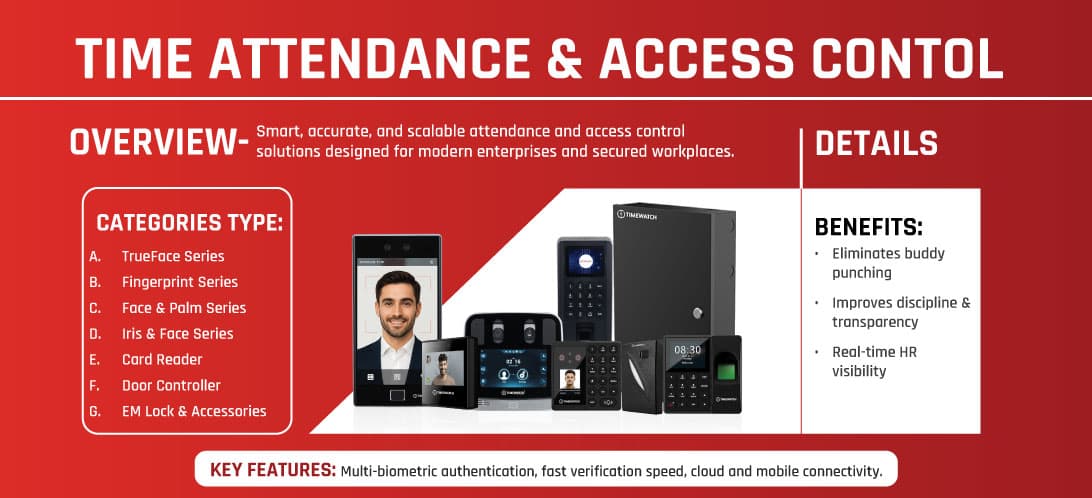
TimeWatch devices are designed for mixed workforces. The TrueFace1L supports face, finger, card, PIN and QR on an 8 inch IP65 terminal for up to 1,00,000 users, while the TrueFace3000 offers face, card, PIN and QR for mid sized teams. The Bio-1SE adds palm to face, fingerprint, card and PIN, which helps where fingerprints are unreliable. Explore the complete range of biometric attendance machines.
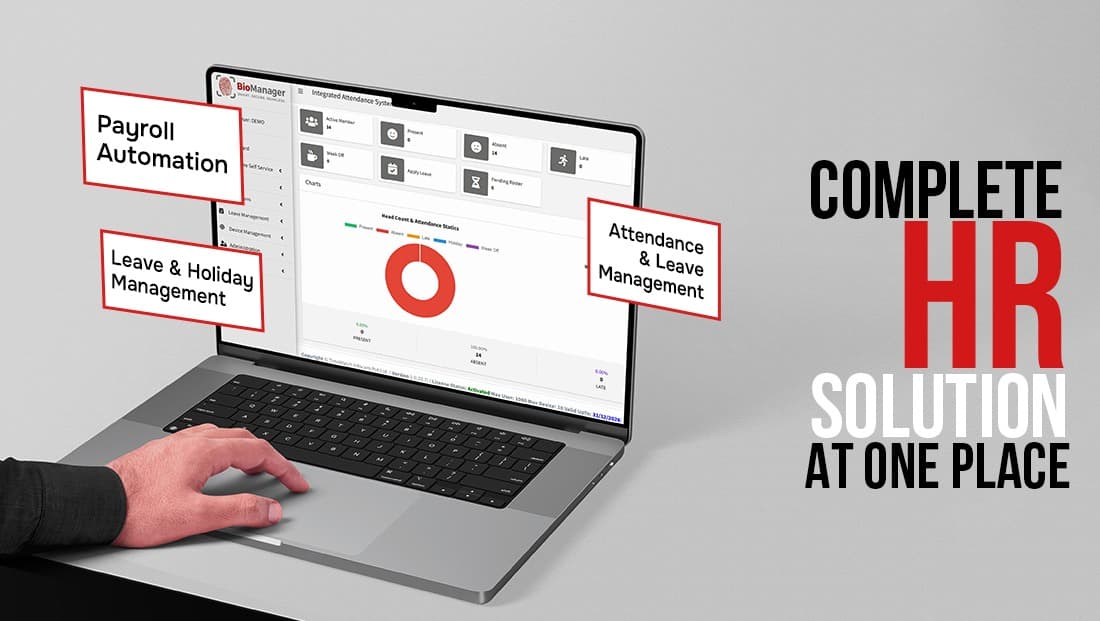
For people away from fixed devices, the TimeWatch Mobile Application provides live face verification and geo fencing, and our field staff tracking solution adds route tracking during duty. The AI-FACE-T7HD handheld device, with face, NFC card, GPS and 4G, suits construction and project sites. All punch types sync into BioManager, so attendance and payroll follow one set of rules.
Frequently asked questions
Can one employee use two different punch types?
Yes. An employee can have face as the primary method and card or PIN as a backup, all linked to the same employee code.
Is QR attendance secure enough?
QR is convenient for visitors, events or temporary use, but it verifies a code rather than a person. For regular staff attendance, pair it with or replace it by a biometric method.
Do all punch types show up in the same report?
They should. In a well integrated system, every punch appears in one attendance report with the method used.
Will multiple methods make enrolment longer?
Slightly, since each additional method needs a quick registration. Enrol only the methods each group actually needs.
Which method is best for workers with damaged fingerprints?
Face or palm recognition works better than fingerprint for people whose fingers are worn, cut or frequently dirty.
Next step
The right mix of punch types depends on who works for you and where. Reach out to TimeWatch and we will map each employee group to a suitable method and show how they all come together in one dashboard.