Attendance System Easy for Employees to Use | TimeWatch
An attendance system is easy for employees when punching is fast, contactless and clear, and staff can view attendance and apply leave on an app.
An attendance system is easy for employees when punching takes a second or two, needs no touching or fumbling, and gives clear feedback that the punch was recorded. It also lets every employee see their own attendance and apply for leave from a phone, so they never have to queue at the HR desk to ask a simple question.
Most buying discussions focus on what HR and management need. That makes sense, but the people who use the system most often are the employees punching in at 8:55 on a Monday morning. If the experience frustrates them, you get queues, buddy punching and arguments over missed punches. This article looks at the system purely from the employee side.
Why does punch speed matter so much?
Picture a factory gate at shift change with hundreds of workers arriving together. If each punch takes several attempts, a queue forms and people get marked late through no fault of their own. Speed is the first thing employees notice.
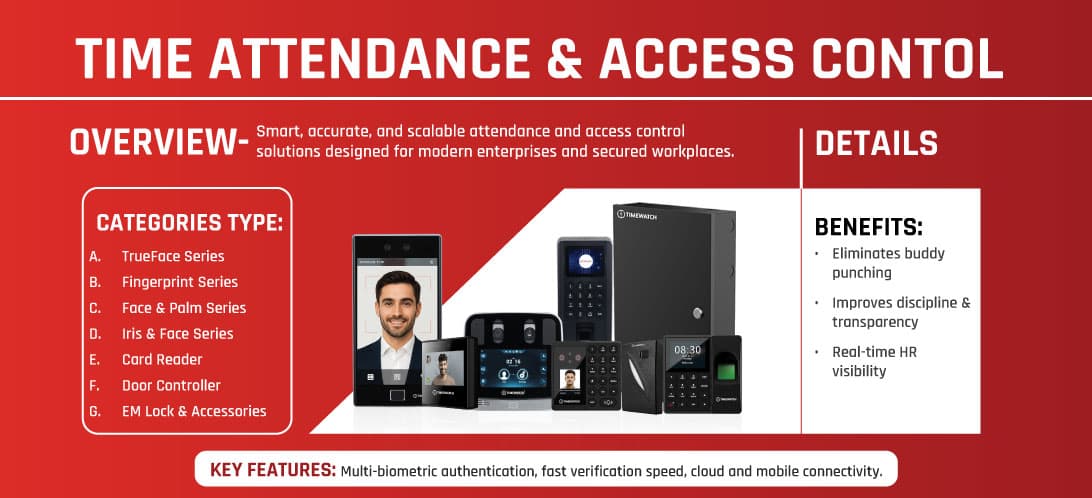
Face recognition terminals usually win here because the employee simply walks up and looks at the screen. Compact TimeWatch face terminals such as the TrueFace1000 series verify in about 0.2 seconds, and larger terminals recognise faces from a comfortable standing distance. Fingerprint devices are also quick when fingers are clean, but they can slow down for workers whose fingerprints are worn by manual labour, cement or chemicals.
A few practical points help keep the line moving:
- Install enough devices for your peak arrival window, not your average.
- Mount the device at a height that suits most of your staff.
- Keep the area well lit but avoid strong backlight from a window or gate behind the employee.
- Enrol employees properly on day one, in good light, with a clear face image.
Is contactless punching really better for staff?
For many workplaces, yes. Employees in food processing, hospitals and pharma units often prefer not to touch a shared surface many times a day. Workers with dirty or gloved hands on a shop floor find a touch sensor annoying. Contactless options remove that friction.
Face recognition is the most common touchless method. Palm recognition is another option some sites like, because it works without contact and is less affected by worn fingerprints. Devices that offer several methods give you flexibility for the few employees who struggle with one of them.
| Method | What employees like | What can frustrate them |
|---|---|---|
| Face | Walk up and go, no touching | Poor lighting or a badly enrolled photo |
| Palm | Touchless, works with worn fingers | Needs correct hand position at first |
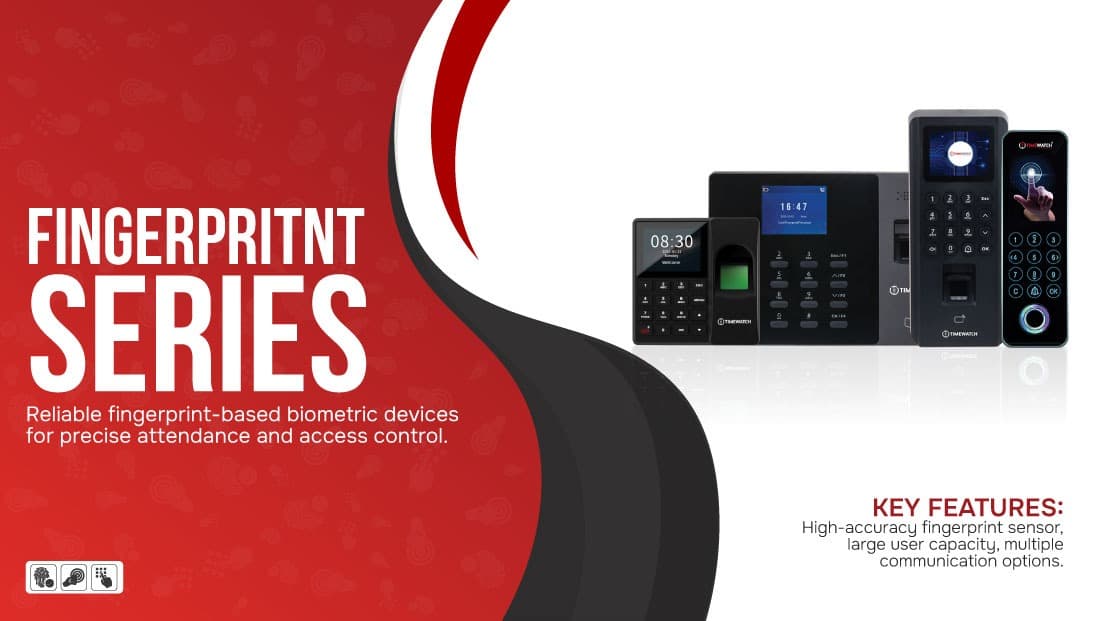
| Fingerprint | Familiar and quick | Worn, wet or dusty fingers |
| Card | Very simple | Forgotten or lost cards |
| PIN | Works as a backup | Slower, easy to share |
What should an employee self service app offer?
The biggest change in recent years is that employees now expect to see their own data. A good self service app answers the questions that used to fill HR’s inbox:
- How many days was I present this month?
- Was my punch on Tuesday recorded, and at what time?
- How much casual leave and sick leave do I have left?
- Has my manager approved my leave request yet?
When employees can check this themselves, disputes reduce sharply because problems are spotted early, not at salary time. The app should also let them apply for leave or out duty, and send a notification when the request is approved or rejected. Push and email alerts mean nobody has to keep asking.
Keep the app simple, with large buttons and a clear monthly calendar in colours for present, absent, leave and holidays. Many shop floor employees use basic phones with limited data, so it should load quickly.
Does language and clear feedback really make a difference?
It makes a bigger difference than most buyers expect. In Indian workplaces, employees speak many languages, and not everyone is comfortable reading English. Voice prompts, simple icons and on screen messages that are easy to understand help everyone. When you evaluate a device or app, ask what display and voice languages are available for your workforce.
Feedback is equally important. After a punch, the employee should hear a clear confirmation and see their name, photo or ID on screen. If the punch fails, the device should say so and ask them to try again, rather than staying silent. Silent failures are the root of most “I did punch, the machine did not record it” arguments.
How do you keep employees on board after rollout?
Even the best system needs a gentle introduction. Show employees how to punch, let them try it in the first week without penalty, and explain how to use the app to view their attendance. Put a small poster near each device with simple instructions in the local language.
Collect feedback after a month. Add a device at any gate with regular queues, and move workers who keep failing fingerprint scans to face or palm. Small fixes like these build trust in the system.
How TimeWatch can help
TimeWatch designs its devices and software with the person at the gate in mind. Our face attendance machines, including the TrueFace1000 series and the AI-FaceT7-Pro, let employees punch quickly without touching anything. For sites where fingerprints are a problem, the Bio-1SE offers face, palm, fingerprint, card and PIN on one device, so every employee has a method that works for them.
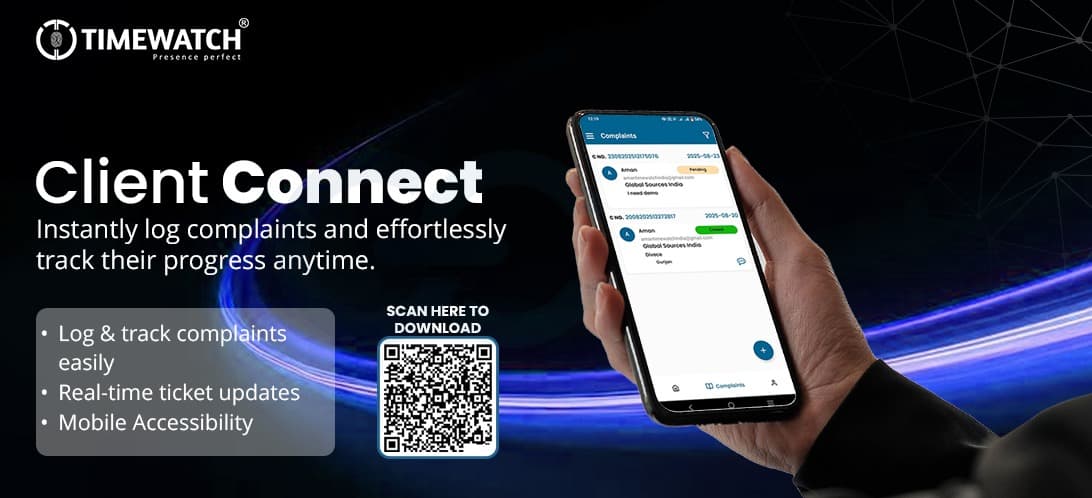
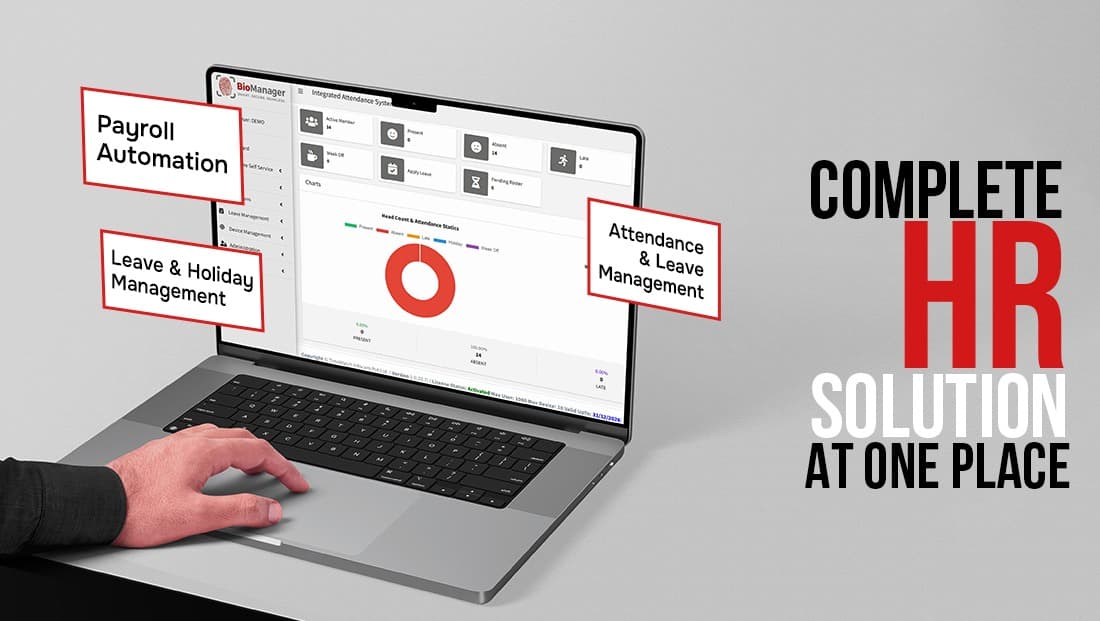
On the self service side, BioManager and the TimeWatch Mobile Application give employees a clear view of their own attendance, leave requests, out duty requests and approval status, with app and email notifications. Everything connects to our attendance and payroll software, so what employees see on their phone matches what HR uses for salary.
Frequently asked questions
Which attendance method is fastest for employees?
Face recognition is usually the quickest because employees just walk up and look at the screen. Compact face terminals can verify in a fraction of a second, which helps avoid queues during shift change.
Can employees check their own attendance on a phone?
Yes, if your software includes an employee app. With BioManager, employees can view their punches, leave balances and request status, and receive notifications when a manager acts on a request.
What if some workers cannot register their fingerprints?
This is common in factories and construction. Choose a device that supports face or palm as well, so those employees can use a touchless method instead of fingerprint.
How do employees know their punch was recorded?
A good device gives a clear voice prompt and shows the employee’s name or photo on screen after a successful punch. If the punch fails, it should prompt them to try again.
Do employees need training to use a biometric attendance system?
Very little. A short demonstration, a trial week and a simple instruction poster near each device are usually enough for most staff to become comfortable.
Next step
If your employees deserve a smoother start to their day, let us show you how TimeWatch devices and the employee app work in practice. Contact TimeWatch to book a demo at your site or ask our team which device suits your workforce.