Attendance Software With Leave Management | TimeWatch
Attendance software with built in leave management keeps balances, approvals and regularisation in one place, so payroll reads one consistent record.
For most Indian businesses with more than a handful of employees, attendance software with leave management built in is worth it, because leave and attendance are two halves of the same record. When they live in one system, an approved leave automatically explains an absence, balances update on their own, and payroll reads a single, consistent month instead of two spreadsheets that never quite agree.
The real question is not whether you need leave tracking, since every employer does, but whether it should sit inside your attendance software or in a separate tool. This article walks through what integrated leave management actually does, where it saves effort, and when a separate setup may still be acceptable.
What does built in leave management actually include?
A proper leave module is more than a form for applying leave. In a well designed attendance system, it usually covers:
- Leave types and policies: casual, sick, earned, compensatory off, maternity and any company specific types, each with its own rules.
- Balances: opening balance, accrual during the year, carry forward and lapse rules.
- Applications and approvals: employees apply from an app or web portal, and the request flows to one or more approvers.
- Regularisation: employees can request correction of a missed punch or mark an out duty, with manager approval.
- Holiday calendars: different calendars for different states or branches, since festival holidays vary across India.
- Reports: leave taken, balance summaries and pending approvals.
When all of this sits next to the punch data, the system can mark each day accurately as present, absent, on leave, on out duty, a holiday or a weekly off.
Why do separate leave and attendance tools cause trouble?
Many businesses start with punches in a biometric device and leave in a spreadsheet or a register kept by HR. It works when you have twenty people. As you grow, the cracks show.
At month end, someone has to match every absence against the leave sheet by hand. An employee who took leave but forgot to apply shows up as absent. Another who applied but whose approval sat in a manager’s inbox is marked on leave in one place and absent in the other. Salary gets processed, the employee complains, and HR spends days on corrections.
| Situation | Separate tools | One integrated system |
|---|---|---|
| Employee absent with approved leave | Manual matching needed | Marked as leave automatically |
| Missed punch | Paper slip or email to HR | Regularisation request in app |
| Leave balance query | HR checks a sheet | Employee sees it on phone |
| Month end payroll | Combine two data sets | Payroll reads one record |
| Audit or inspection | Records in different places | One consistent history |
How do multi level approvals work in practice?
In a growing company, one approver is rarely enough. A worker in a plant may need the line supervisor and then the plant HR to approve leave. A branch employee may need the branch manager and then regional HR. Integrated software lets you set these chains once, and every request follows them.
Good systems send notifications to the approver by app or email, show pending requests in a dashboard, and let the employee see where their request stands. This reduces the familiar delay where a request sits unnoticed for a week. It also creates a clear record of who approved what and when, which helps if there is ever a dispute.
What about attendance regularisation?
Regularisation is the quiet workhorse of a leave module. Punches get missed for genuine reasons: a client visit, a device that was off during a power cut, a new employee not yet enrolled. Without a formal process, these become verbal requests, chat messages and handwritten notes.
With regularisation built into the attendance software, the employee raises a request for the specific date, chooses a reason, and the manager approves or rejects it. The attendance record updates and the history is saved. Managers, not HR, now own their team’s corrections.
When might a separate leave tool still be acceptable?
If you are a very small office with a few employees, simple leave tracking in a sheet may be enough for now, especially if leave is rare and salaries are fixed. Some larger organisations also run a broader HR platform for leave and only use the attendance system for punches, linking the two.
Even then, the data must meet somewhere before payroll. If your current setup needs a person to reconcile leave and attendance every month, that is usually the signal to move to one system. The time saved in month end processing and the reduction in salary disputes generally justify the change. When you compare options, look at the effort of setup, ease of policy configuration, mobile access for employees and how well leave flows into payroll, rather than features alone.
A note on compliance: Indian law requires employers to maintain attendance and wage records, for example under the Factories Act 1948 and state Shops and Establishments Acts, and leave entitlements are governed by applicable laws and the new Labour Codes. An integrated system makes these records easier to maintain, but confirm your specific leave rules with your legal or compliance advisor.
How TimeWatch can help
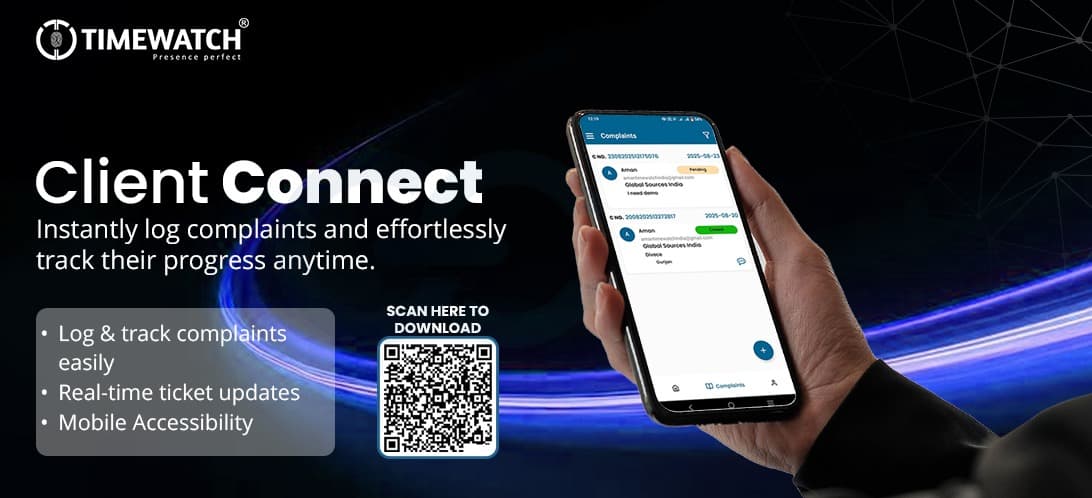
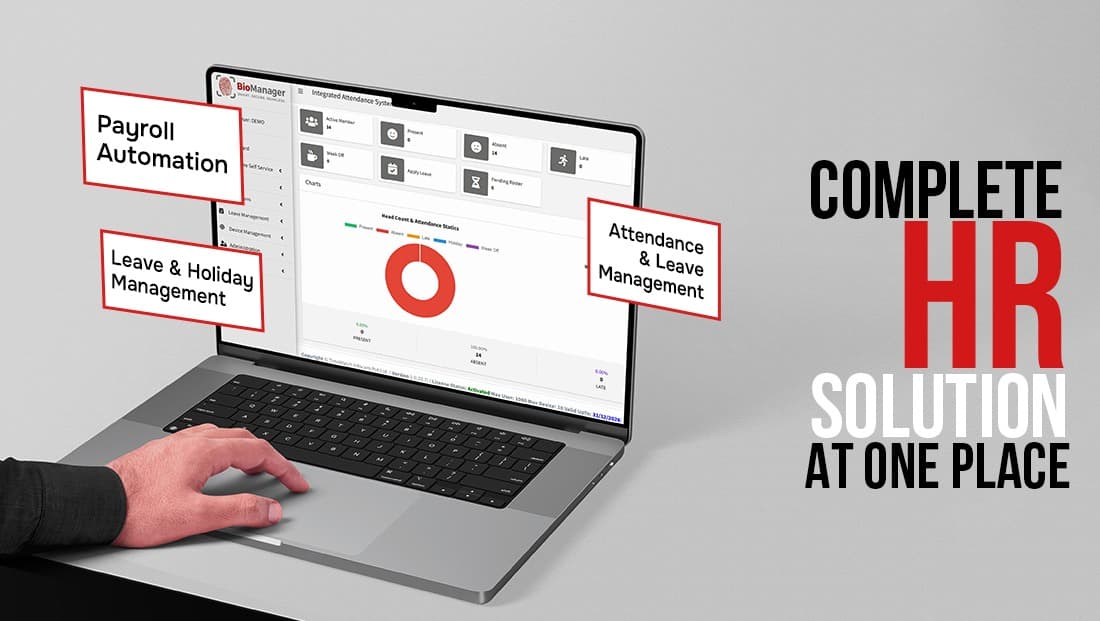
BioManager, the TimeWatch attendance, access and payroll platform, includes leave and out duty requests, multi level leave approval, and email and app notifications. Employees apply and track requests from the Android or iOS app, while managers approve on the go. Approved leave flows straight into our attendance and payroll software, where Payroll Management handles leave and holiday integration, overtime and salary slips.
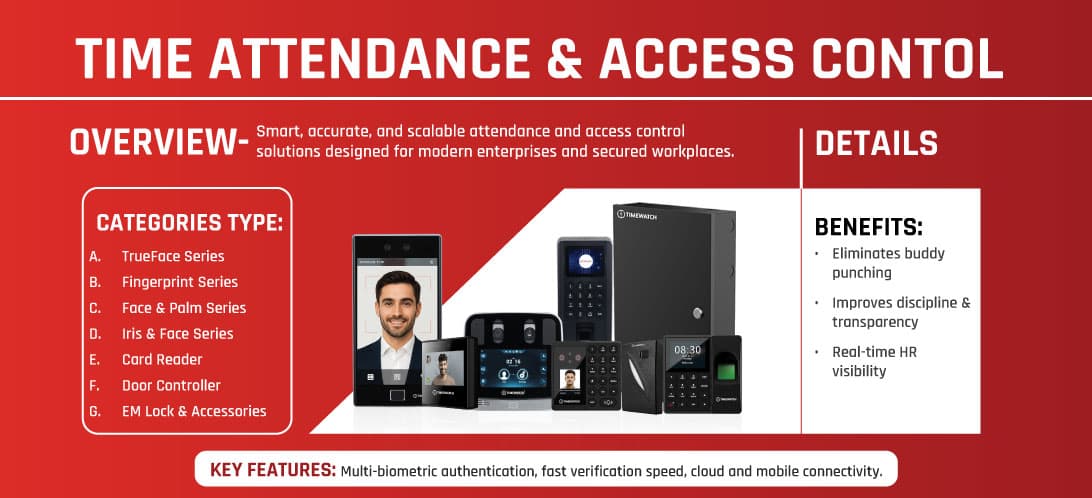
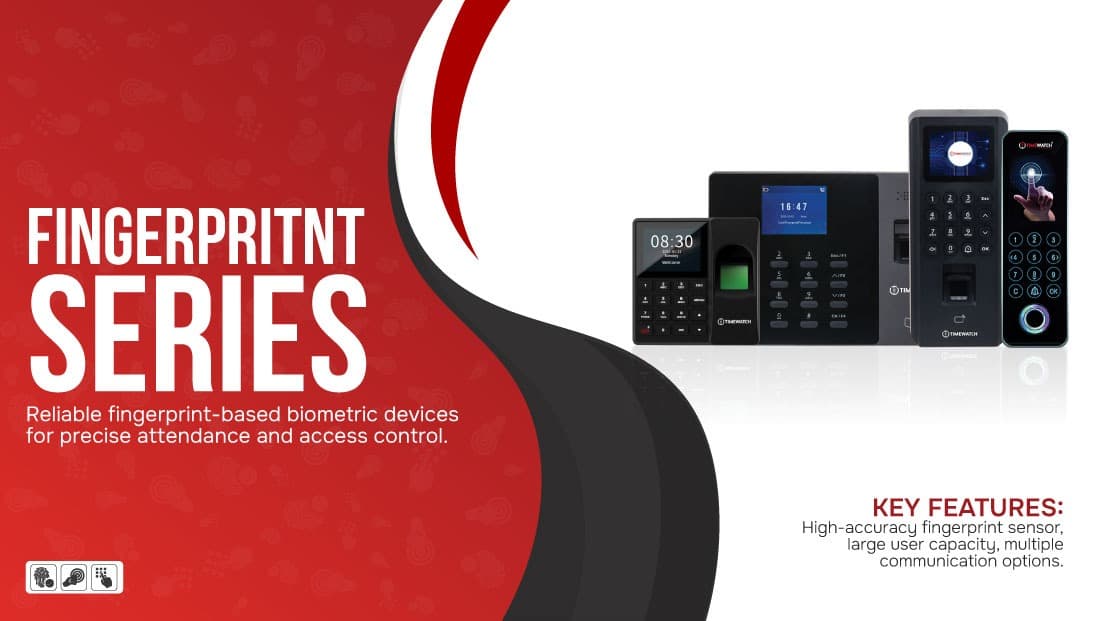
For businesses that prefer on premise software, iAS Desktop offers leave management, shift roster and basic payroll on Windows. Both work with our full range of biometric attendance machines, from the Bio-20 for small offices to face terminals for large sites.
Frequently asked questions
Can employees apply for leave from their phone?
Yes. With BioManager, employees apply for leave or out duty from the mobile app, and the request goes to their approvers with a notification. They can also check their balance and request status anytime.
Does approved leave reflect automatically in attendance?
In an integrated system it does. Once a leave request is approved, that day is marked as leave instead of absent, and payroll picks it up without manual matching.
Can we set different leave rules for different branches?
Most integrated systems let you define leave types, holiday calendars and approval chains by branch or department. This is useful in India, where holidays vary from state to state.
What is attendance regularisation?
It is a formal request to correct an attendance record, such as a missed punch or an out duty day. The manager approves it, the record updates, and the history is saved for audit.
Is integrated leave management only for large companies?
No. Even a business with a few dozen employees benefits, because it removes month end reconciliation and lets employees see their own balances.
Next step
If month end still means matching leave sheets against punch reports, it is time to see a single system in action. Talk to TimeWatch and we will walk you through leave, approvals and payroll on BioManager using your own policies.