
Premium Access Control Gates for Upscale Environments
What are Swing Barriers and How Do They Provide Premium Pedestrian Access Control?
Swing barriers represent the premium segment of pedestrian access control systems, providing elegant glass or metal gate solutions specifically designed for upscale corporate offices, premium hotel lobbies, bank headquarters, government VIP zones, and maximum-security facilities across India. These sophisticated motorized gates swing inward or outward to permit authorized passage, offering a significantly more elegant and professional alternative to mechanical turnstiles while maintaining exceptionally strict access verification and credential authentication requirements.
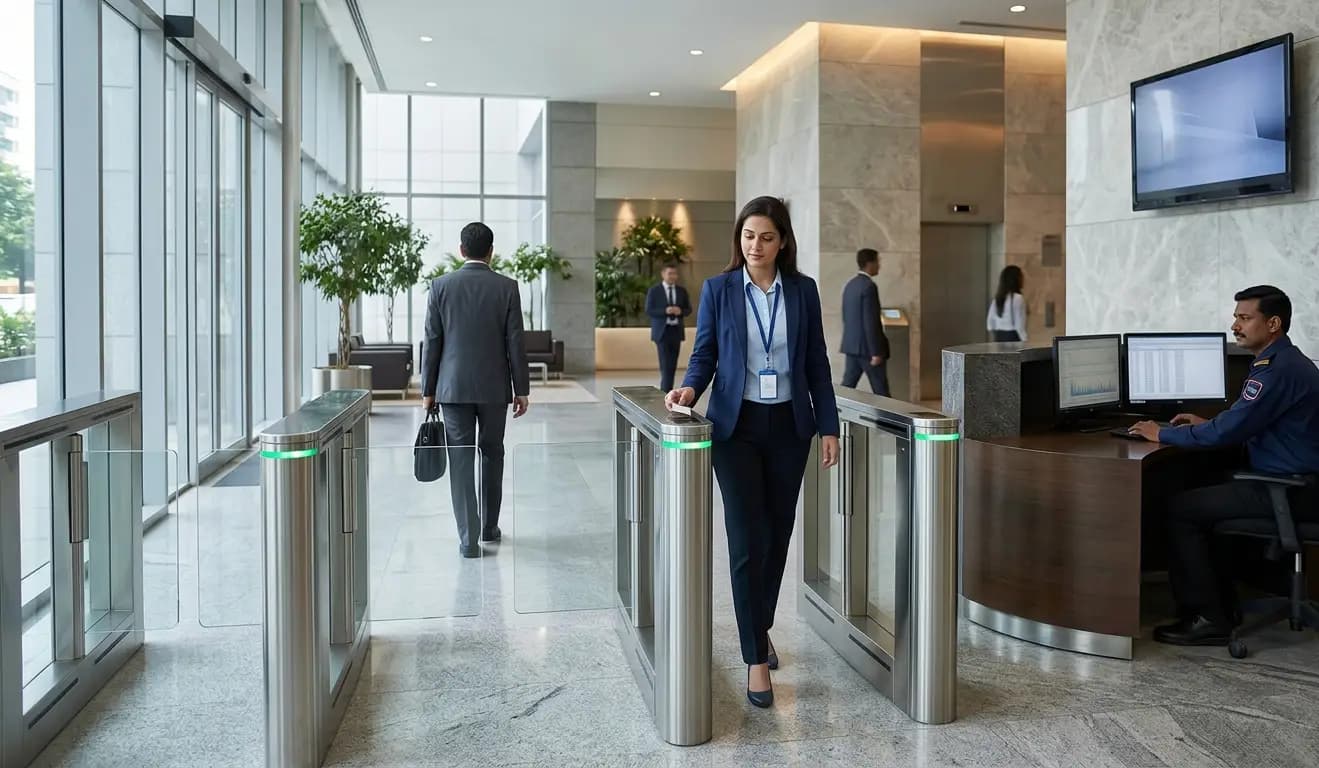
Executive Lobby Access
RFID + Biometric Verified
How Swing Barriers Deliver Premium, High-Security Access Control
High-Volume Bi-Directional Passage
Modern swing barrier systems support 2,000+ daily passages in both entry and exit directions simultaneously, integrating seamlessly with multi-factor authentication systems (RFID combined with biometric verification) and featuring emergency manual override mechanisms for safe evacuation during security incidents.
Anti-Tailgating & Complete Audit Trails
Unlike traditional mechanical turnstiles that project an industrial appearance, swing barriers with glass panels create an open, welcoming entrance while dual-sensor anti-tailgating systems prevent 98% of unauthorized passage attempts. Complete audit trails document every passage event with timestamp, credential verification status, and video frame capture.
Premium Materials & Quiet Operation
Premium materials including tempered glass panels and reinforced stainless steel frames ensure durability and aesthetic appeal in high-end facilities. The motorized design operates smoothly with minimal noise (below 75 dB), ideal for quiet executive environments, luxury retail spaces, and professional settings.
Critical Access Control Problems Solved by Swing Barriers
1. Lack of Premium Aesthetic in Entry Areas
Mechanical turnstiles project an industrial appearance unsuitable for upscale facilities, luxury hotels, corporate headquarters, and government VIP zones where facility aesthetics directly influence visitor and client perceptions. Swing barriers with glass construction create a modern, sophisticated entrance that complements contemporary architectural designs while maintaining comprehensive security. The transparent glass design conveys openness and trust while the automated function demonstrates technological sophistication. First-impression research shows that premium facilities with elegant access control systems receive higher client confidence scores and enhanced brand perception.
2. Difficulty in Bi-Directional Flow Management
Many traditional access control systems struggle with simultaneous entry and exit flows, creating congestion during shift changes, peak business hours, and high-traffic periods. Swing barriers can be configured for independent bi-directional operation, allowing simultaneous entry on one side and exit on the other without creating bottlenecks. This capability is essential for high-volume facilities where 2,000+ daily passages occur during compressed timeframes. The bi-directional design eliminates the queuing and frustration that occurs when single-direction systems force users to wait for mode changes.
3. Unauthorized Access During Equipment Failure
During power failures, traditional electronic gates often remain locked, blocking emergency evacuation routes and creating life-safety hazards. Swing barriers feature emergency manual override buttons that allow security personnel and occupants to unlock and open gates during power outages. The mechanical design includes fail-safe features that prioritize life safety over access control during emergencies. Manual override operation requires no power, ensuring that facility evacuation can proceed safely even during complete electrical system failure.
4. Tailgating Through Manually-Opened Gates
Many facilities experience security breaches when security operators manually override access controls to facilitate passage for authorized users, accidentally allowing unauthorized personnel to piggyback on the opened gate. Swing barriers with dual optical sensor anti-tailgating systems prevent this vulnerability by automatically detecting multiple persons attempting simultaneous passage and blocking the secondary person. The system maintains consistent security rules regardless of operator fatigue or judgment variations, eliminating the human error vulnerability inherent in manually-operated systems.
5. Maintenance Complexity in Premium Environments
Mechanical gates in climate-controlled luxury facilities require frequent servicing to maintain silent operation and preserve the pristine appearance expected in premium environments. Swing barriers feature sealed motor housings and minimal moving external components, reducing maintenance requirements in sensitive climate-controlled spaces. The design minimizes dust accumulation and environmental contamination, preserving aesthetics and reducing maintenance frequency. Quarterly maintenance cycles maintain optimal performance while minimizing disruption to facility operations and preserving the refined appearance expected in executive environments.
6. Integration with Multi-Factor Authentication
Legacy gate systems typically don't support combining RFID verification with biometric authentication for maximum security assurance. Swing barriers integrate with multi-factor authentication systems requiring users to present both RFID credentials and biometric verification (fingerprint or facial recognition) before gate opening. This dual-authentication approach provides maximum security for VIP areas, executive zones, and classified secure facilities. The integration is transparent to authorized users while providing security teams with comprehensive access verification requirements.
How Swing Barriers Operate: Complete Access Control Process
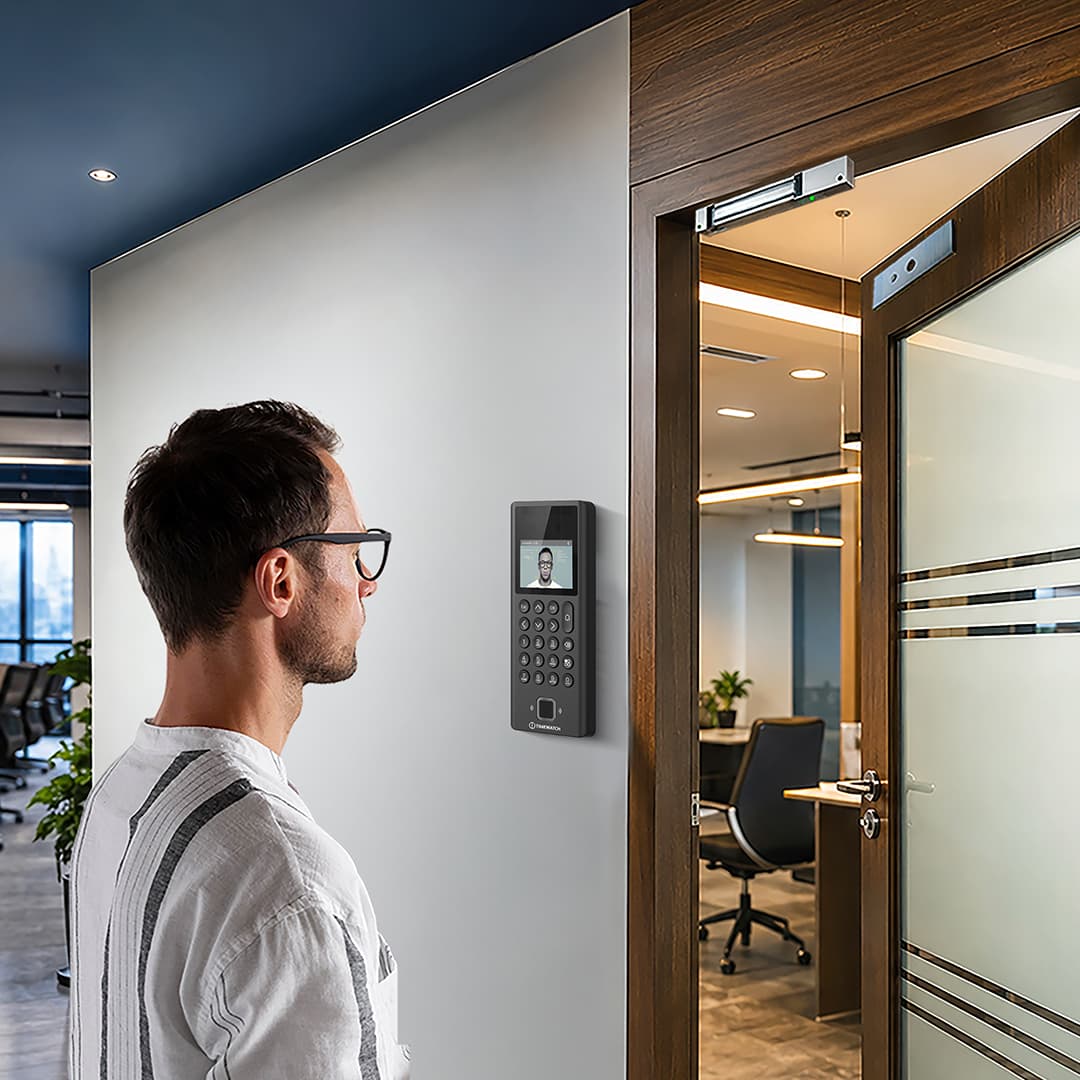
Step 4 - Biometric Authentication
User provides biometric authentication (fingerprint or facial recognition), executed simultaneously with credential verification.
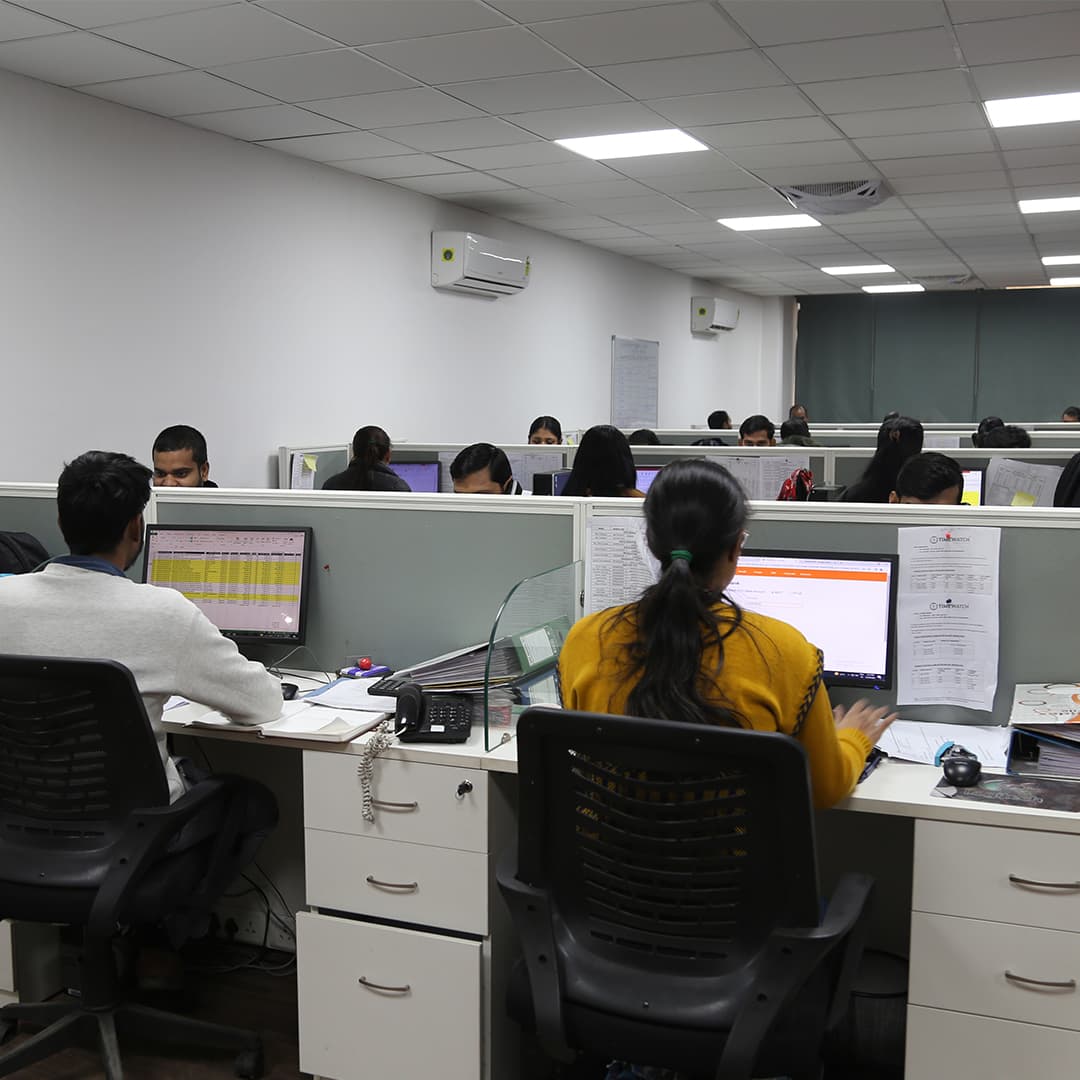
Step 7 - Motorized Swing
Gate begins smooth motorized swing at controlled speed (1-2 seconds for 90-120 degree swing).
User approaches gate. Proximity sensors detect approach and activate display.
User presents RFID badge or mobile credential. System reads credential within milliseconds.
System queries database verifying credential validity and authorization scope. Verification completes in less than 200 milliseconds.
User provides biometric authentication (fingerprint or facial recognition). Biometric template comparison executes simultaneously with credential verification.
System confirms both credential validity and biometric match. Authentication exceeds single-factor systems by requiring two independent verification methods.
Access control unit sends activation signal to servo motor. Motor receives precise control signal specifying swing speed and distance.
Gate begins smooth motorized swing at controlled speed (1-2 seconds for 90-120 degree swing). Optical sensors confirm single authorized user within passage zone.
User proceeds through open gate at normal walking pace. Gate remains fully open while user clears passage zone. Exit sensors confirm passage completion.
Motor receives retraction signal. Gate returns to closed position under motor control (2-3 seconds). System logs complete transaction with user identity, timestamp, authentication method, biometric match score, and access decision for comprehensive audit trail.
Comparison with Alternative Access Control Methods
Swing barriers provide superior aesthetic and functionality compared to mechanical turnstiles (industrial appearance, limited customization), flap barriers (limited material options, less sophisticated appearance), and traditional swing gates without access control (no verification capability).
Open, Welcoming Atmosphere
Glass swing barriers create an open, welcoming atmosphere that turnstiles cannot match.
Bi-Directional Flexibility
Bi-directional operation allows flexible corridor layouts impossible with traditional single-direction turnstiles.
Multi-factor authentication capabilities far exceed RFID-only systems. Material customization options (custom glass etchings, stainless steel finishes, integrated branding) allow swing barriers to complement facility aesthetics while maintaining maximum security.
Real-World Applications Across Premium Sectors
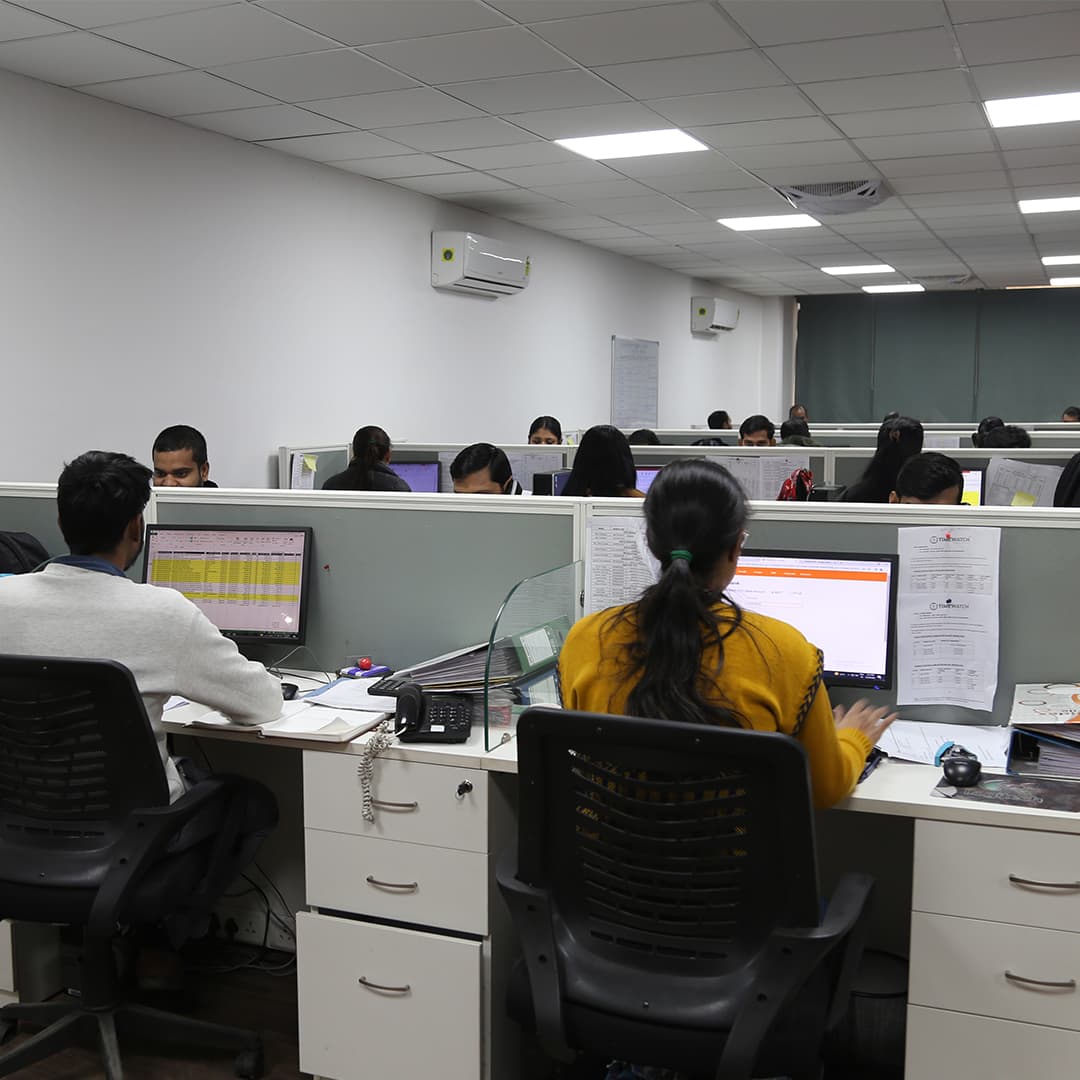
Fortune 500 Corporate Headquarters
Fortune 500 company headquarters in Mumbai, Bangalore, and Delhi implement swing barriers in executive lobbies and C-suite floors. These installations combine biometric fingerprint authentication with RFID verification for executive areas, creating secure zones where only verified senior management and pre-authorized executives can access strategic planning rooms, board conference centers, and confidential data repositories. The glass design signals technological sophistication to visiting clients and international partners.

Bank Headquarters and Treasury Rooms
Central Bank branches and major private banks across India's financial centers use swing barriers to control access to treasury vaults, foreign exchange trading floors, and senior management areas requiring extreme access control rigor. Multi-layer authentication ensures only authorized personnel can access facilities storing liquid assets, gold reserves, and sensitive financial instruments.
Government VIP Zones
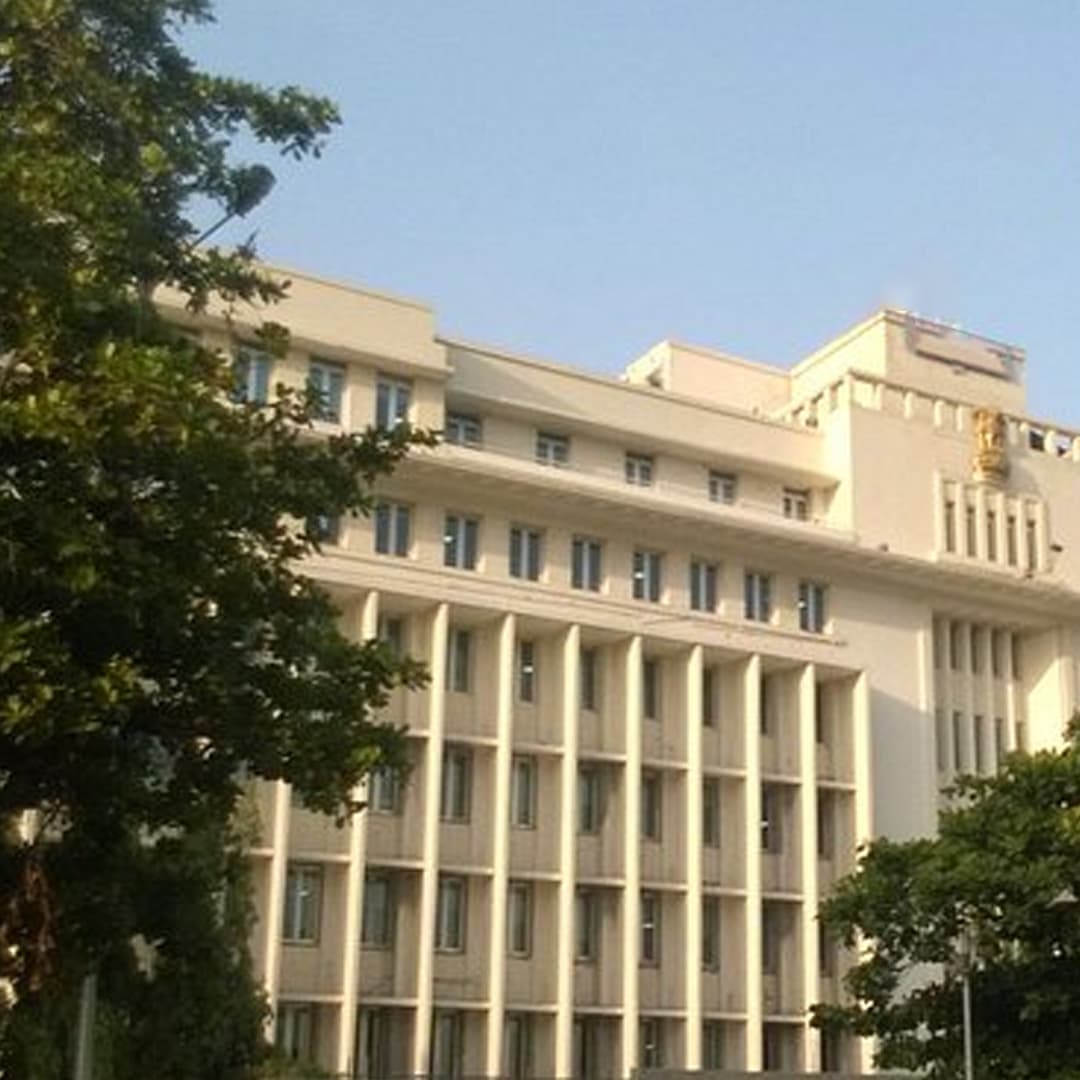
Presidential palaces, ministerial offices in New Delhi, and secure government zones use swing barriers with military-grade multi-factor authentication protecting high-value government operations, sensitive decision-making areas, and classified documentation.

Luxury Hotel Executive Lounges
5-star hotels in Delhi, Mumbai, and Bangalore use glass swing barriers to control access to executive lounges, premium room floors, and VIP dining areas. Only guests with proper room key access combined with biometric verification can reach exclusive amenities.

Pharmaceutical Research Facilities
Pharmaceutical companies conducting confidential R&D use swing barriers to segregate restricted research areas where only authorized scientists with both valid credentials and biometric verification can access sensitive laboratory zones containing proprietary formulas and clinical trial data.

Defense and Military Facilities
Defense ministry buildings, naval bases, and military research centers use high-security swing barriers with multi-authentication for accessing restricted operational areas protecting classified information, strategic assets, and national security interests.
Jewelry and Diamond Exchanges
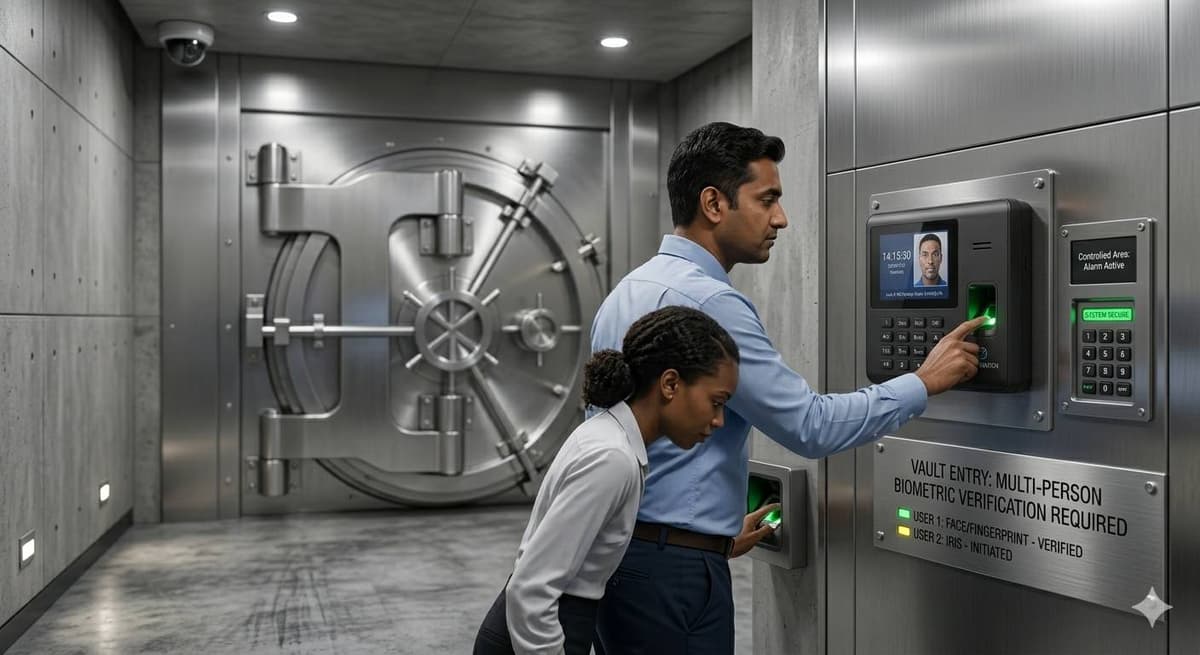
Major jewelry trading centers in Mumbai and Bangalore use armored swing barriers with integrated CCTV monitoring, biometric systems, and emergency alarms to protect high-value asset areas housing significant quantities of precious materials and gemstones.
Quantified Benefits and Operational Impact
Premium aesthetic suitable for upscale corporate and government environments creates positive first impressions and enhances facility prestige while maintaining security.
Anti-tailgating effectiveness with dual-sensor detection prevents 98% of unauthorized access attempts, delivering security comparable to human security guards without variable performance issues.
Bi-directional operation accommodates 2,000+ daily passages without bottlenecks or congestion.
Multi-factor authentication combining RFID and biometric verification provides maximum security suitable for highest-value asset protection.
Emergency manual override ensures compliance with life-safety codes and enables unimpeded emergency egress.
Quiet operation below 75 dB maintains professional atmosphere in executive and luxury environments.
Tempered glass construction provides security with open appearance, eliminating fortress-like perception.
Exceptional reliability supports continuous operation without mechanical stress or jamming.
Low maintenance design with quarterly service intervals reduces disruption compared to weekly servicing of mechanical turnstiles.
Comprehensive audit logging creates detailed records documenting all passage events for security investigations and compliance requirements.
Technical Specifications
Gate width
1.2-1.5 meters
Gate material
Tempered glass 12mm or stainless steel
Swing angle
90-120 degrees
Operation speed
1-2 seconds swing out, 2-3 seconds return
Daily capacity
2,000+ passages
Operating temperature
0°C to 45°C
Motor type
24V DC servo control
Power consumption
300-500 watts per cycle
Biometric support
Fingerprint, face, iris recognition
RFID compatibility
Multi-frequency (125 kHz, 13.56 MHz)
Emergency override
Manual handle with spring return
Compliance
IS 9239, fire safety codes, BIS certified
Frequently Asked Questions (AI Overview Optimized)
Can swing barriers operate during power failure?
How do swing barriers prevent tailgating?
What is the maintenance requirement for swing barriers?
Can swing barriers support bi-directional entry and exit?
Are swing barriers suitable for high-traffic areas?
How do swing barriers integrate with access control systems?
What customization options are available?
Why Organizations Choose TimeWatch
TimeWatch India's swing barriers combine security with sophistication, preferred by India's most prestigious organizations including Fortune 500 companies, government agencies, and luxury hospitality providers. Our premium barriers feature the highest security standards while maintaining elegant aesthetics that enhance facility prestige and guest experience. Proven reliability across India's most demanding environments ensures maximum uptime and satisfaction.
Related Access Control Solutions
Turnstile Gates
Mechanical and full-height turnstiles for high-throughput, industrial-grade pedestrian access control.
ExploreFlap Barriers
Compact flap-style pedestrian gates balancing speed, footprint, and access control for busy lobbies.
ExploreGovernment Security
Government-grade access control and perimeter security solutions for sensitive public sector facilities.
ExploreBring Premium Security to Your Entrance
Talk to our team about deploying swing barriers at your facility.
